Sumba Travel Guide: Everything You Need to Know Before Visiting
Most people who fly into Indonesia make a beeline for Bali… and with good reason! Bali is beautiful, accessible, and endlessly written about. But just a one-hour flight away lies another island few travelers have even heard of: Sumba. Remote, rugged, and raw, Sumba is where you trade beach clubs for black-sand shores, infinity pools for untamed waterfalls, and crowded streets for megalithic villages with traditions that haven’t changed for centuries. If you’re curious about visiting, here’s everything I found that you need to know before you go.
Location and Geography
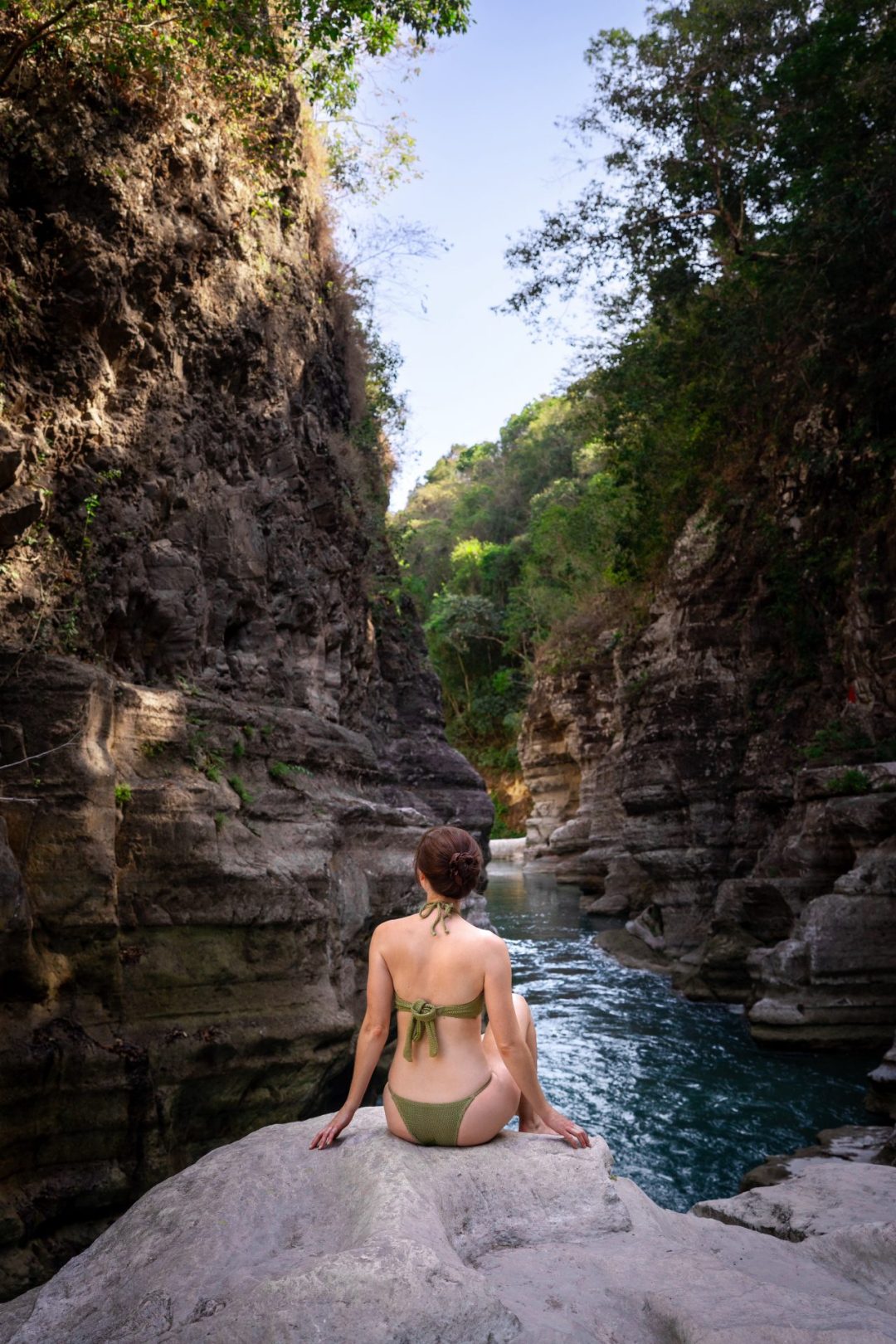
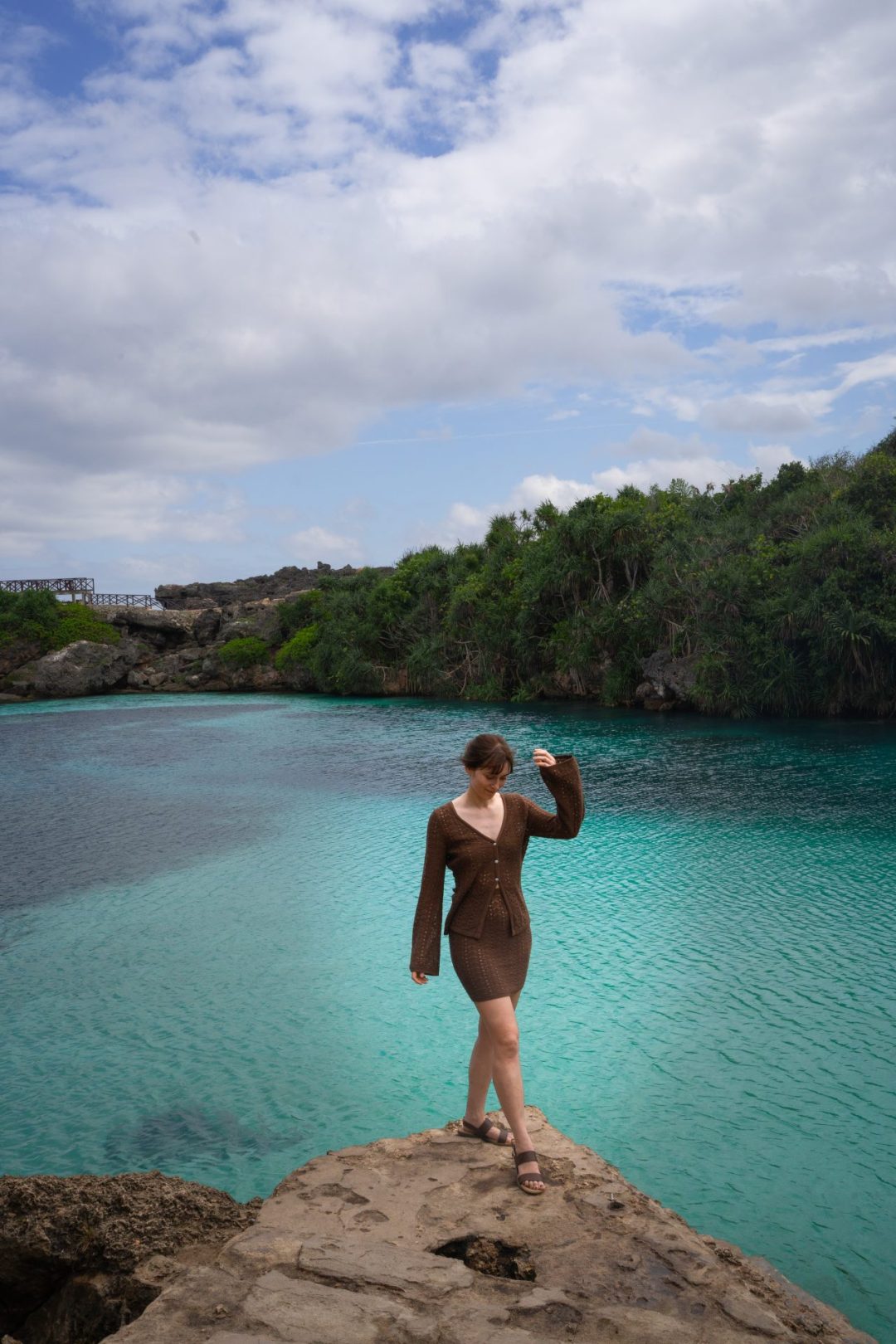
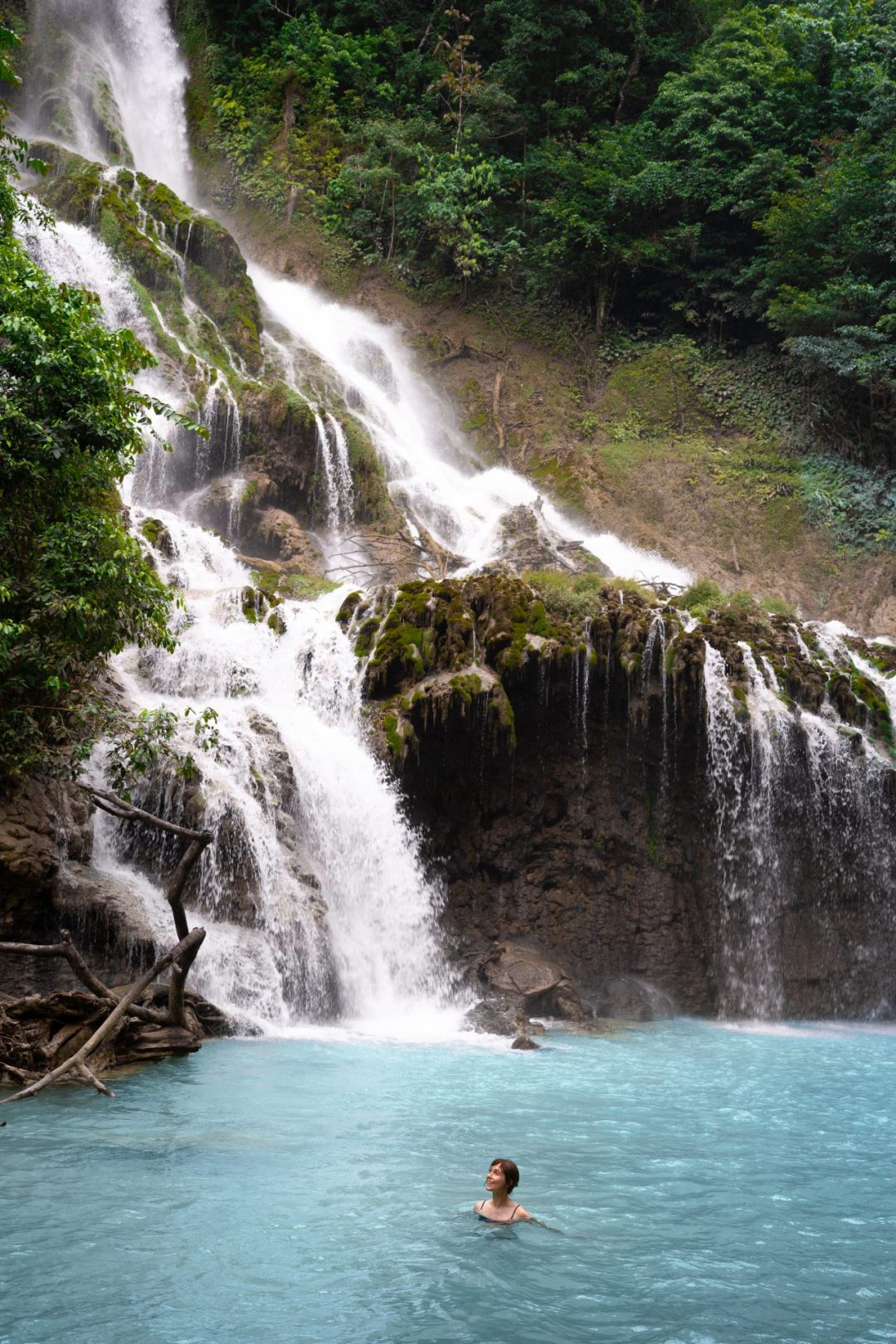
Sumba is part of Indonesia’s East Nusa Tenggara provincial territory, sitting east of Bali and west of Timor. It’s roughly twice the size of Bali, but with only a fraction of the tourists. In fact, during my two weeks on the island, I saw far more wandering goats, dogs, and water buffalo than fellow travelers!

This remoteness is part of its appeal: Sumba is like a final frontier of sorts, a place where you can still stumble upon empty beaches, hike waterfalls without a line of selfie sticks, and witness cultural ceremonies that are part of daily life, not a staged performance for visitors. It feels like a traditional and authentic travel experience from the moment you arrive.
Transportation
How To Get There


There are no direct international flights into Sumba. Most travelers connect through Bali (Denpasar), Jakarta, or Kupang, then take a domestic flight into one of Sumba’s two small airports: Tambolaka (west) or Waingapu (east).
Flying into Tambolaka makes sense if you’re headed for the waterfalls and beaches of the western side, while Waingapu is closer to some of the island’s traditional villages and surf spots. Expect small planes, limited schedules, and possible delays. Flexibility is key!
How To Get Around

If Bali is smooth, Sumba is rugged for a handful of reasons. While driving on Sumba’s main paved roads is generally fine, once you turn off them you’ll hit rock-and-dirt tracks and everything slows down. Distances on the island are long, side roads are often unmarked, and help can be far away.
Fuel is limited too. Stations here are few, tend to have long lines, and sometimes run out. In fact, petrol is commonly kept in bottles at roadside homes (at a markup, for emergencies) And did I mention the patchy cell service?. After asking around during my time on the island, a Telkomsel SIM is what generally provides the best service, but even that still drops out often.
Given all these factors, my recommendation for getting around Sumba is to skip the scooter rental entirely, unless you’re local or very experienced. Instead, plan to book transport and excursions with your accommodation or a local tour operator like MySumba. It may not be polished here, but that’s the point. Sumba is for travelers who want to feel like explorers.
Costs and the Cash Reality

Sumba can surprise travelers with costs. Luxury resorts here rival five-star rates anywhere in the world. But beyond that bubble, Sumba is affordable, just not in the same way as Bali. Hiring a driver and guide (necessary for most travelers) can add up, as can the sheer distances between sights.
Even in 2025, cash is essential. ATMs here are few: I tried to visit one ATM that was simply out of bills. And on top of that, paying by card can be unreliable. With one of my accommodations, we had to drive further into town to get a better Internet signal for their card reader machine. It did end up working, but wasn’t the seamless experience that most know or expect.
Small Indonesian Rupiah notes are vital for tipping, paying for snacks, and covering entrance fees to waterfalls and villages. Bring more cash than you think you’ll need, in smaller denominations!
Areas and Accommodations
Sumba’s Four Regencies
Sumba is divided into four regencies, or regions. Drives are long and roads can be slow, so choosing a base matters:


West Sumba Regency
The main gateway for most travelers, thanks to Tambolaka Airport. This region has easier access to Sumba’s most famous waterfalls including Lapopu and Matayangu as well as beaches like Watu Maladong. Many of the newer boutique resorts and midrange stays are based here, making it a convenient starting point.


East Sumba Regency
More arid and dramatic, with an interesting coastline and swimming spots. Waingapu, the island’s largest town, is where you’ll find basic services, budget guesthouses, and local life. It’s also the gateway to the mangrove beach at Walakiri and the hilltop savannahs with wild horses.

Central Sumba Regency
The least visited part of the island, with rolling hills and remote villages. This is a region for adventurous travelers who want to explore far from the main sites. There are very few accommodation options here, so most people only pass through on day trips.


Southwest Sumba Regency
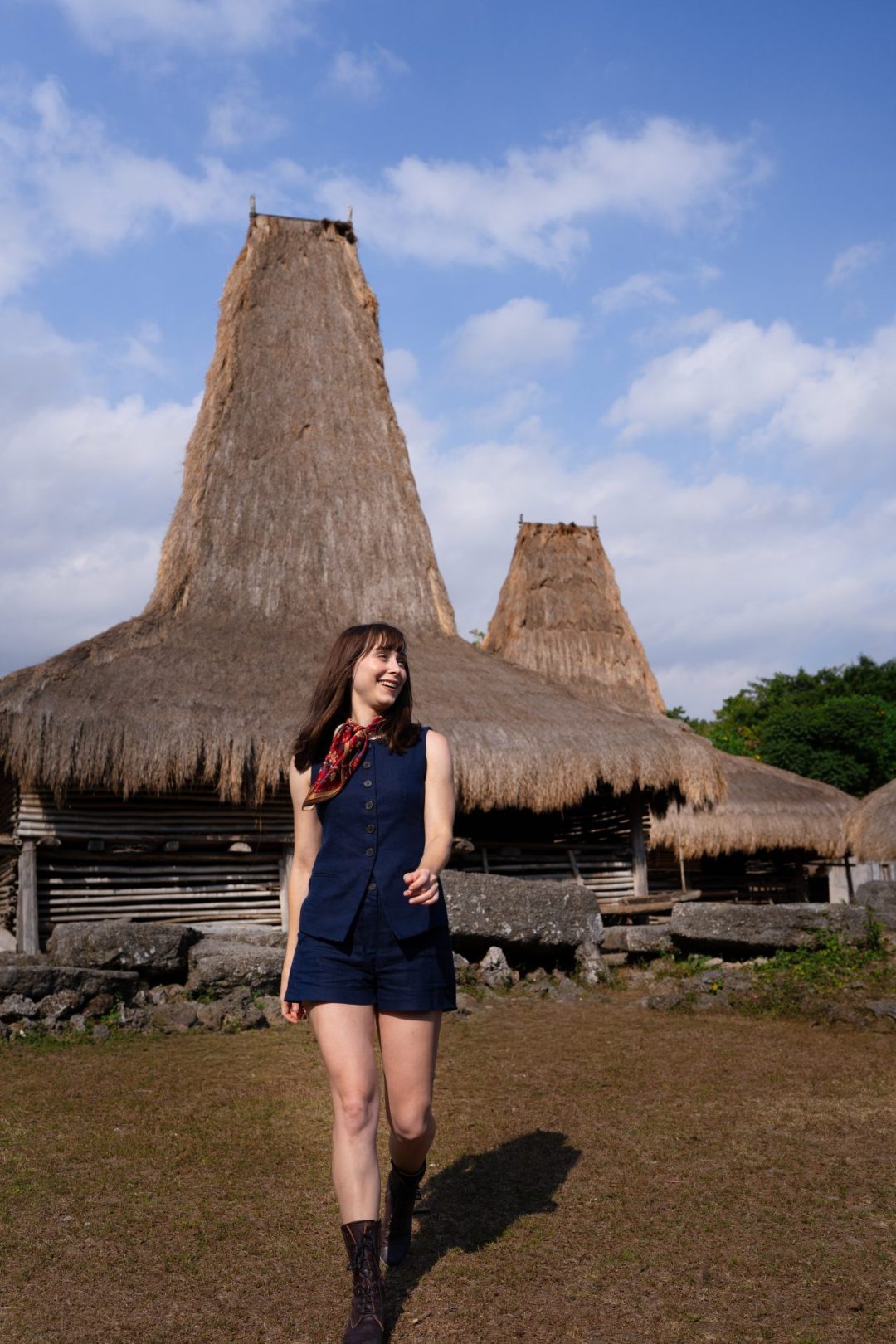
Rugged coastlines and traditional villages define this area. It’s a great place to experience local culture as megalithic tombs, ikat weaving, and rituals are common here. Southwest also has great areas to swim including Weekcuri Lagoon and Mandorak Beach. Tourist infrastructure is limited here, but slowly improving. The Southwest Regency was by far my favorite place on the island!
Types of Accommodations


Luxury Resorts
NIHI Sumba, Cap Karoso (my personal favorite!), and Alamayah offer unparalleled comfort, curated experiences, and jaw-dropping views. These are splurge-worthy if you want adventure by day and five-star dining by night.
Boutique & Eco-Lodges
Mid-range stays are growing, especially on the western side. Think ocean-view bungalows with basic comforts but authentic charm. Cemara Beachfront Suite in Sumba’s East Regency is particularly lovely and provides an ultra-personal stay.
Local Guesthouses
Budget-friendly, family-run accommodations are also available, though harder to find online. These types of stays can be found throughout Waingapu and in smaller towns. Expect simple rooms, cold-water showers, and warm hospitality.

Food and Allergies: A Reality Check
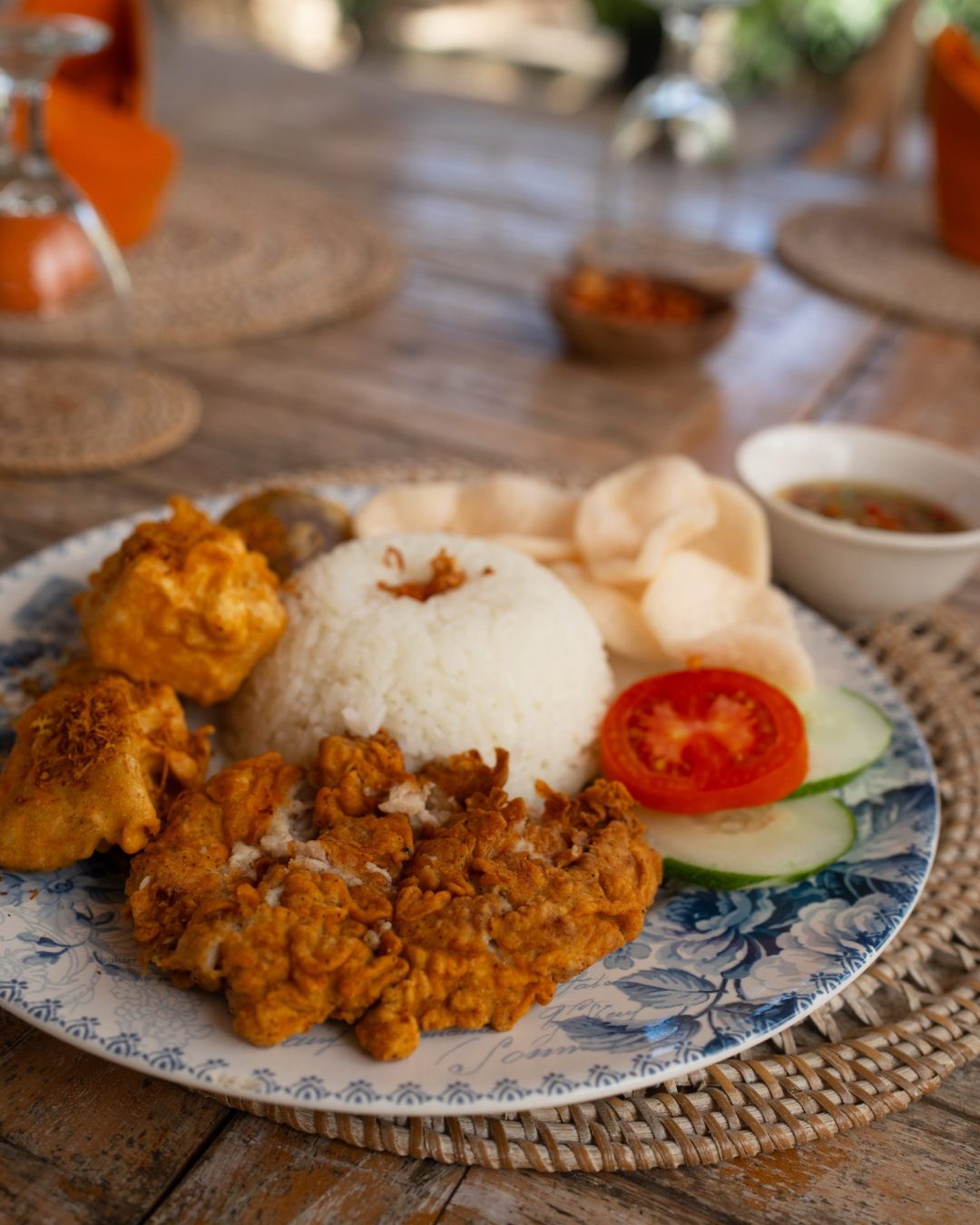

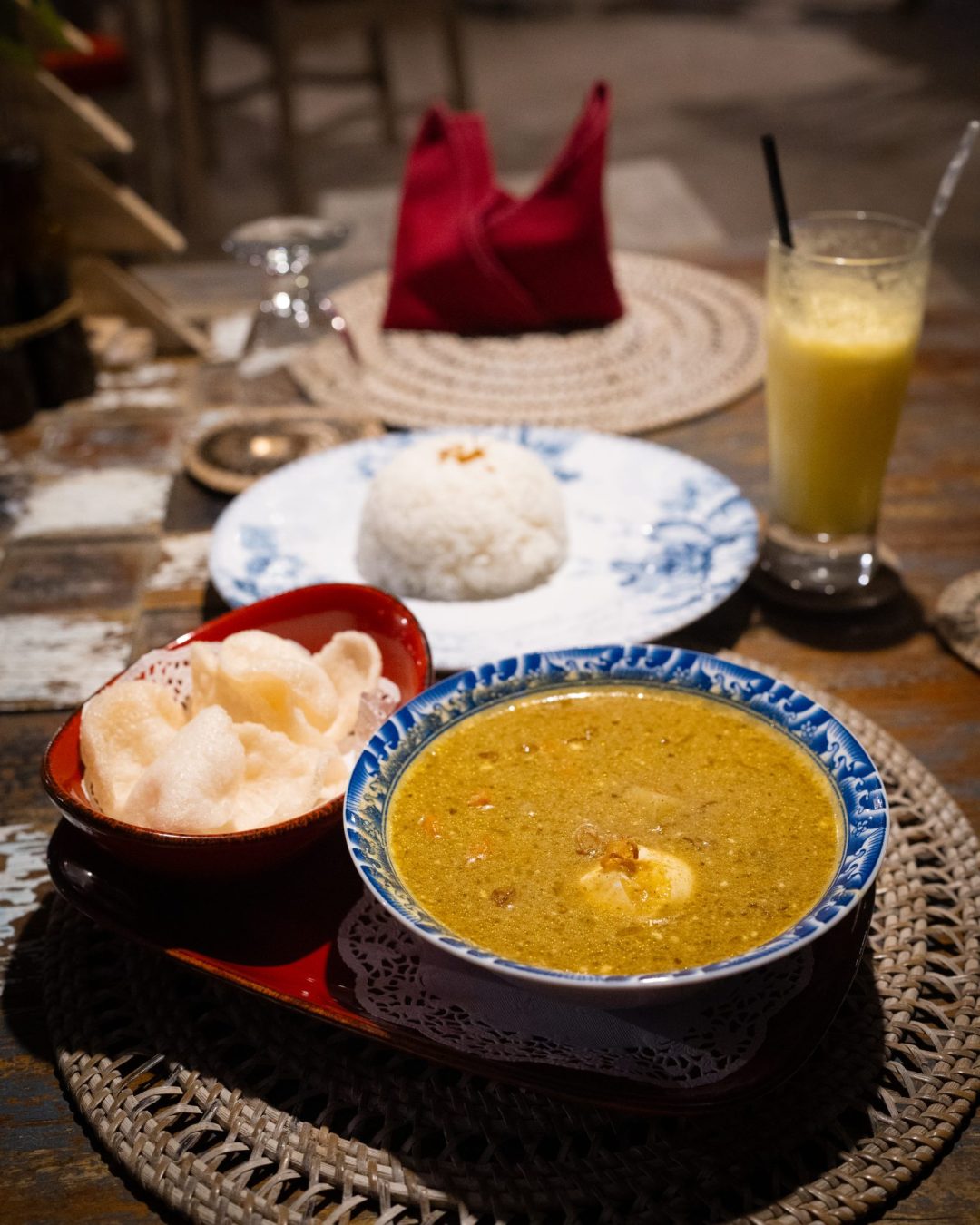
This was one of the harder parts of visiting Sumba for me. Sumba’s food scene is limited, especially if you have dietary restrictions. A typical menu includes Indonesian specialties featuring rice, noodles, chicken, fish, and vegetables: delicious, but repetitive. Western-style options are rare outside resorts.
With a dairy allergy, I found communication challenging; even at hotels, staff weren’t always clear on ingredients. If you have allergies or dietary restrictions, bring a translation card (in Indonesian) explaining your restriction. It’ll save confusion and help you avoid stress.
A few dishes I recommend trying while you’re visiting include Nasi Goreng (Indonesian fried rice) and Ayam Bakar Taliwang (Lombok grilled chicken)!
Safety and Etiquette


Safety
Sumba felt very safe, even as a solo female traveler! Animals and pets roam free, children walk along the road unsupervised to-and-from school, locals are warm and welcoming. The bigger risks felt environmental: long drives on rough roads, limited healthcare facilities, and the physical challenge of hikes (like Tanggedu Waterfall, which requires balancing on a water pipe for nearly 500 meters, scrambling over rocks, and walking across a slick, mossy tree trunk with no handrails). Still, I recommend using the same common-sense travel precautions you would anywhere in the world.
Etiquitte
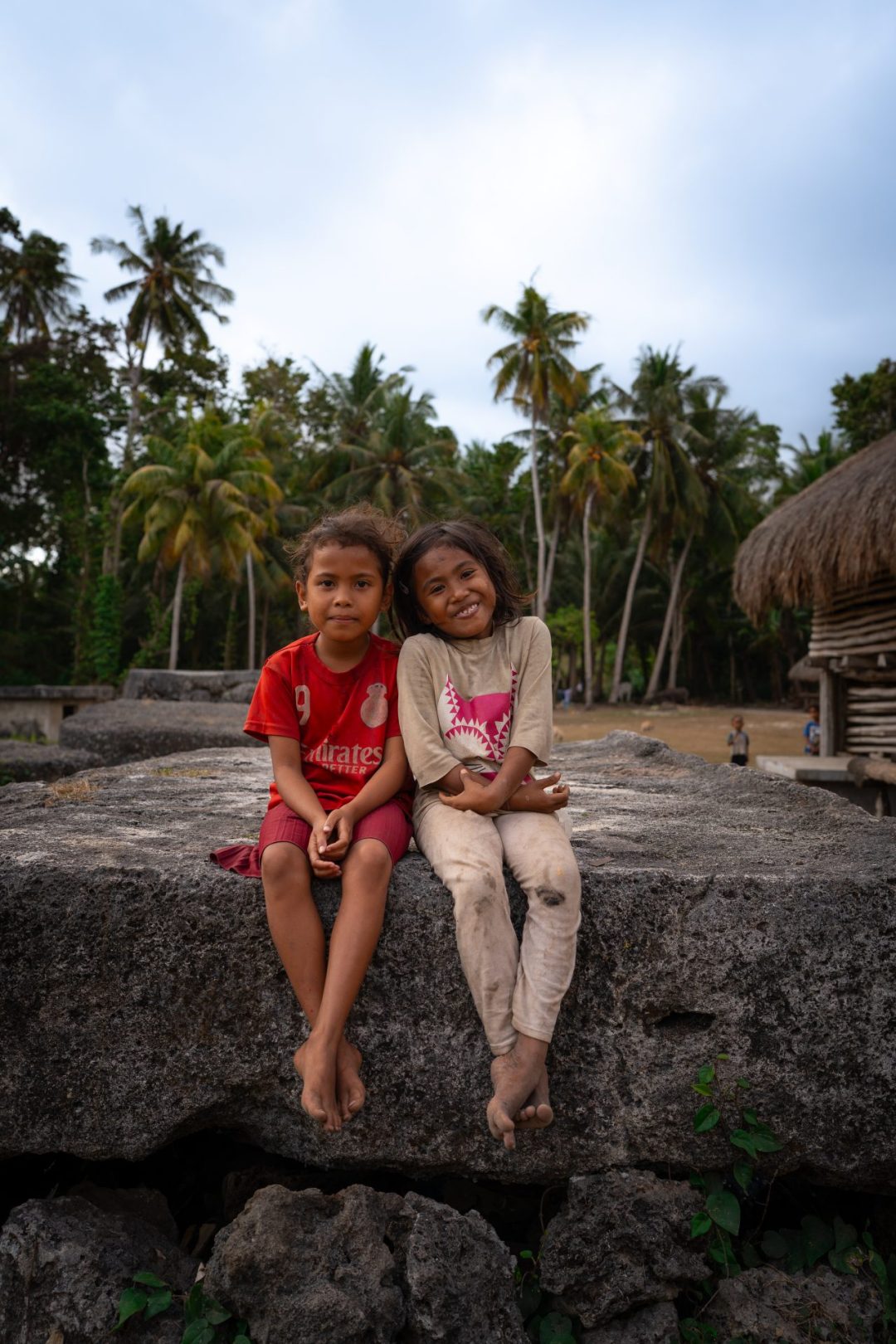
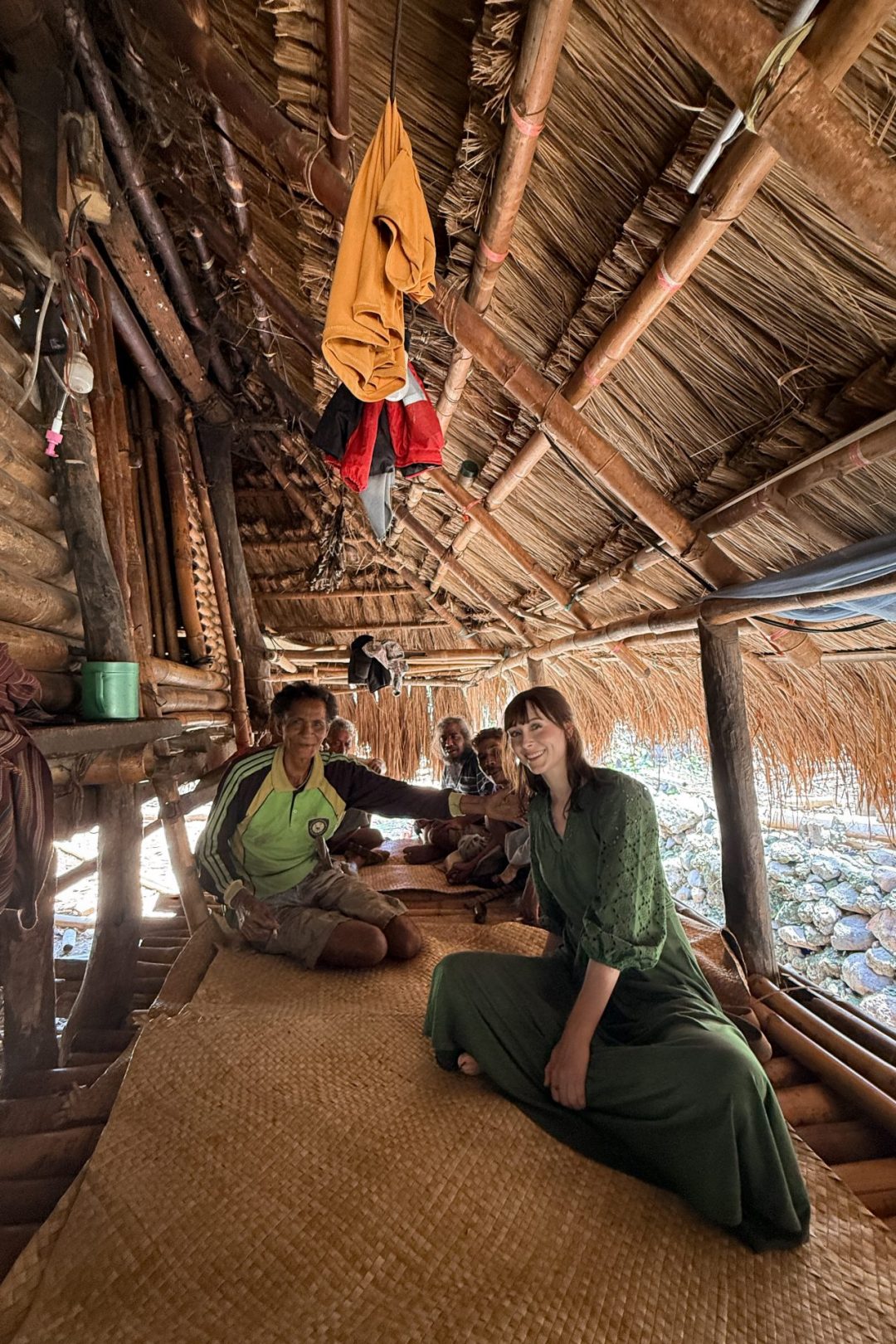

Cultural etiquette in Sumba also matters:
- While there’s no strict dress code, I’d focus on appropriate clothing (no swimsuits or beachwear) when visiting traditional villages. Typical attire includes a shirt or T-shirt paired with shorts or a sarong.
- For footwear, keep in mind that you may be asked to remove your shoes before entering homes as a sign of respect.
- Always ask before photographing people.
- Always ask permission before taking someone’s photo. In some villages, a small gratuity is a common courtesy. If requested, agree on an amount beforehand and carry small notes.
- Be respectful if you witness a funeral or ceremony. These are sacred moments, not tourist shows.
Best Experiences in Sumba

Traditional Villages
High-roofed houses, megalithic tombs, and ikat weaving give you a window into Sumba’s cultural and historic soul. Be open to what you might find when visiting, some villagers may even offer to invite you inside their house for a home tour or a cup of tea! Read more about Sumba’s traditional villages.
Beaches
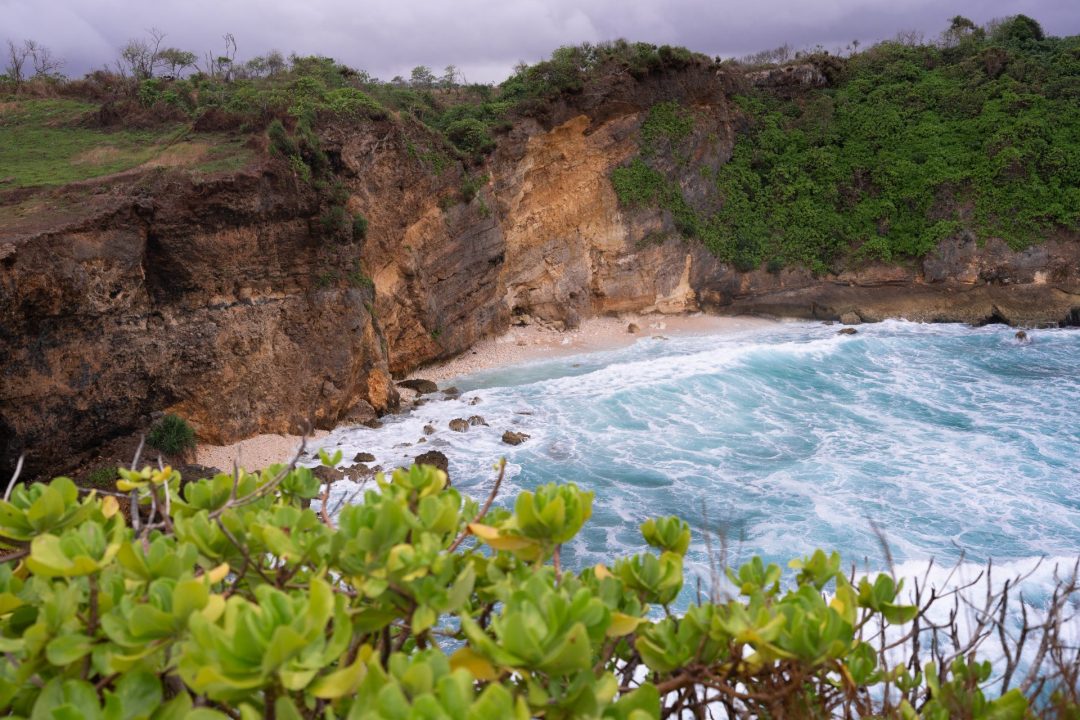
From the mangrove trees that seem to dance in the ocean to the towering white cliffs along sandy beaches, Sumba’s coastline is wildly diverse. Don’t expect sun chairs, crowds, or cafés, just raw beauty. Check out my guide to the the most beautiful Sumba beaches.

Waterfalls
Often involving thrilling hikes to an often gloriously empty swimming hole, treks to Sumba’s waterfalls are a jaw-dropping and can’t-miss experience. Trails are usually unmarked and can involve river wades so grippy water shoes are essential. Don’t miss my guide to the best Sumba waterfalls.
So, Who Sumba is For?


Sumba isn’t for everyone, and that’s exactly why you should go! If you’re after nightlife, shopping, or polished convenience, stick with Bali. But if you crave raw landscapes, cultural experiences, and the thrill of adventure travel you can’t find anywhere else (even when it means muddy shoes, missed meals, or sore legs!), Sumba delivers.
Looking for a DETAILED SumBa ITINERARY?
Knowing where to go is one thing, but knowing exactly when to go, how to sequence your days, how to book your tours, what to pack, and which mistakes you can avoid is another.
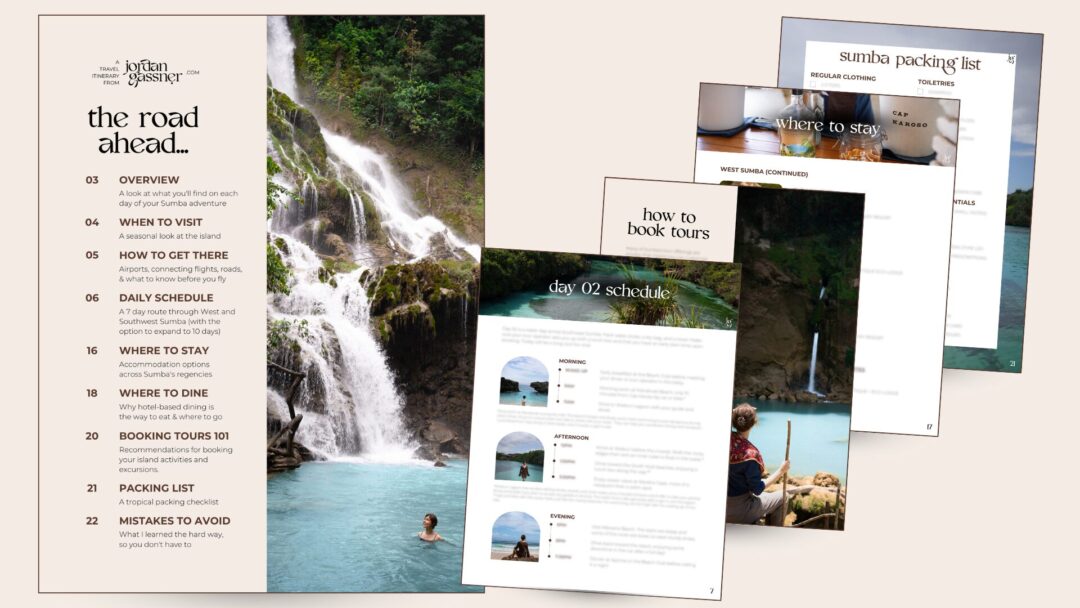
My SUMBa in One Week Itinerary takes everything you need and builds it into a complete trip plan:
This 23 page itinerary/guide includes:
- 📋 7-10 days of hour-by-hour schedules across the island
- 🏝️ My handpicked recommendations for where to stay and dine
- 🗺️ A “booking tours 101” section complete with a tour checklist
- 🚃 Transport info for arrival, getting around the city, and traveling throughout the area
- 🧳 A checklist-style packing list
- ♥️ Mistakes to avoid that first-timers make