Bali or Sumba: Which Indonesian Island Should You Visit?
When I traveled to Indonesia, I visited both Bali and Sumba. And even though they sit within the same country, they feel like two completely different places. Bali is lively, cultural, and easy to explore with lots of travel guides about the island online. Sumba is the opposite. It is remote, quiet, and still blissfully under the radar, and it can be surprisingly hard to find first-hand accounts of what it is actually like to visit! With experiences this different, it is easy to understand why many travelers struggle to choose between them.
So if you’re afraid of wasting your PTO traveling to the wrong island for you, this will help. Here is my clear ranked list of Bali and Sumba so you can choose the island that fits the experience you want:
Weather
Bali

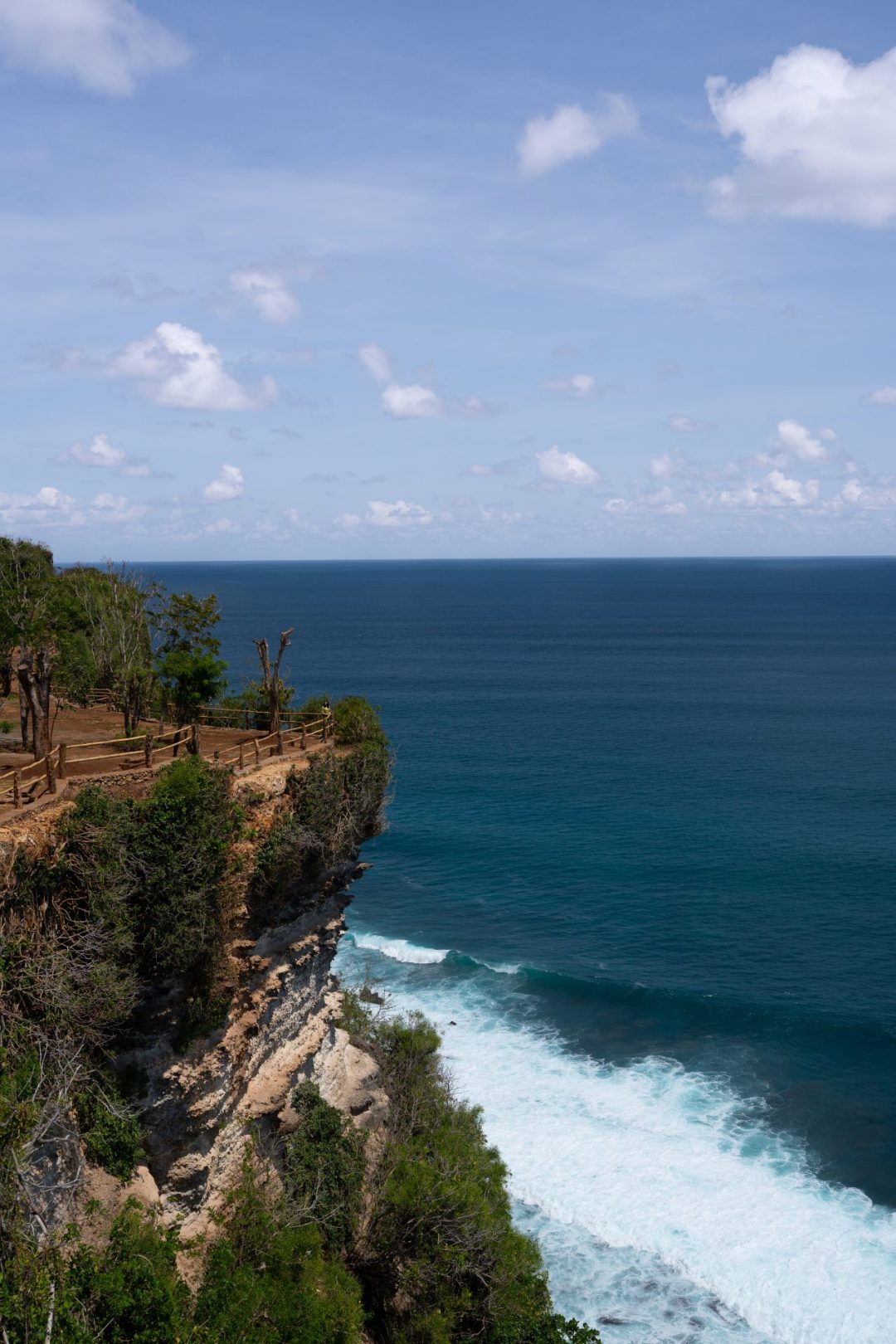
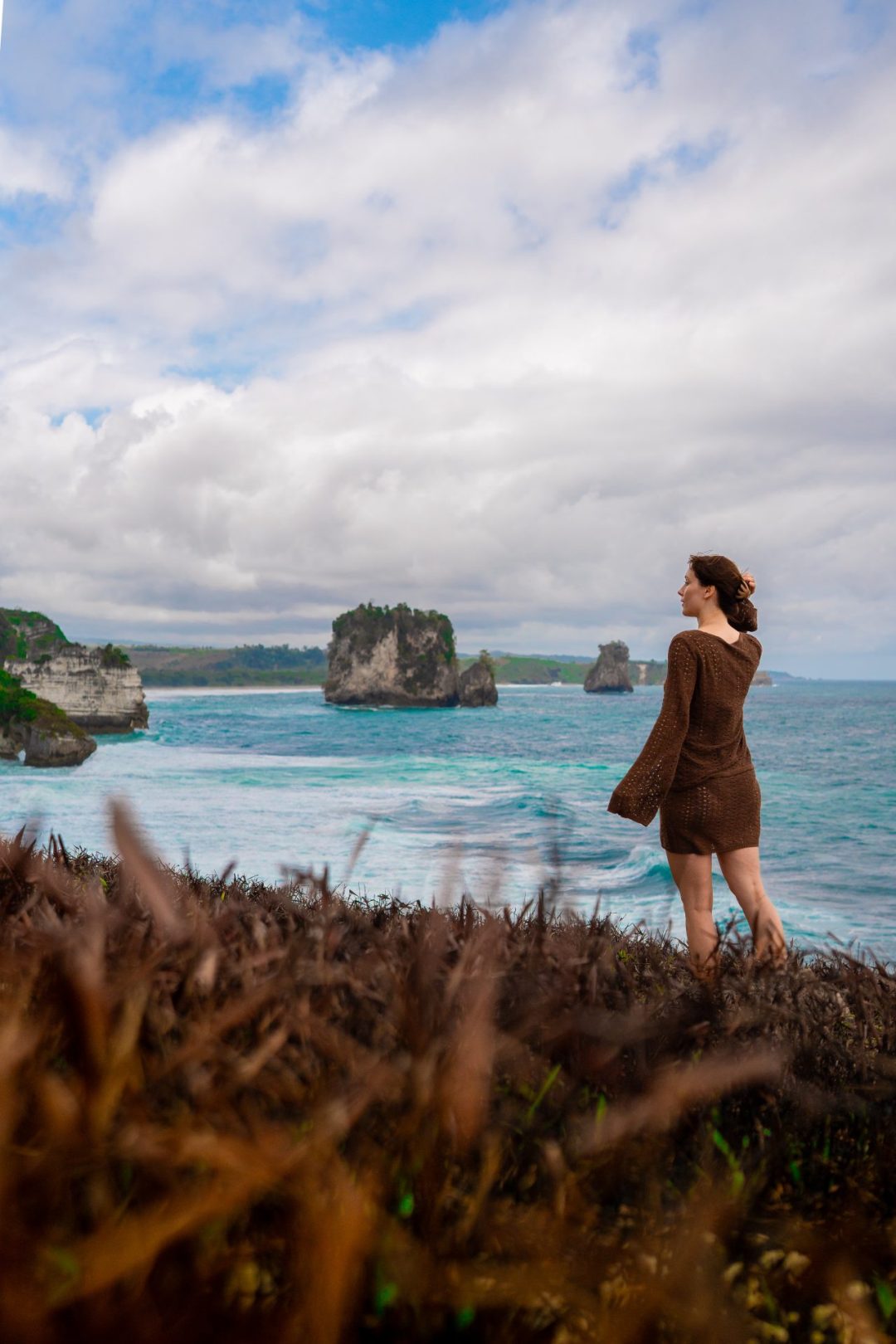
Barring the unusual weather it had in 2025, Bali has a fairly dependent dry season with sunny days and ideal beach weather. Rainy season coincides with the cooler months in the northern hemisphere (November to March). It can bring heavy showers and occasional flooding in peak monsoon season, but the island stays lush and easy to visit year-round.
Sumba
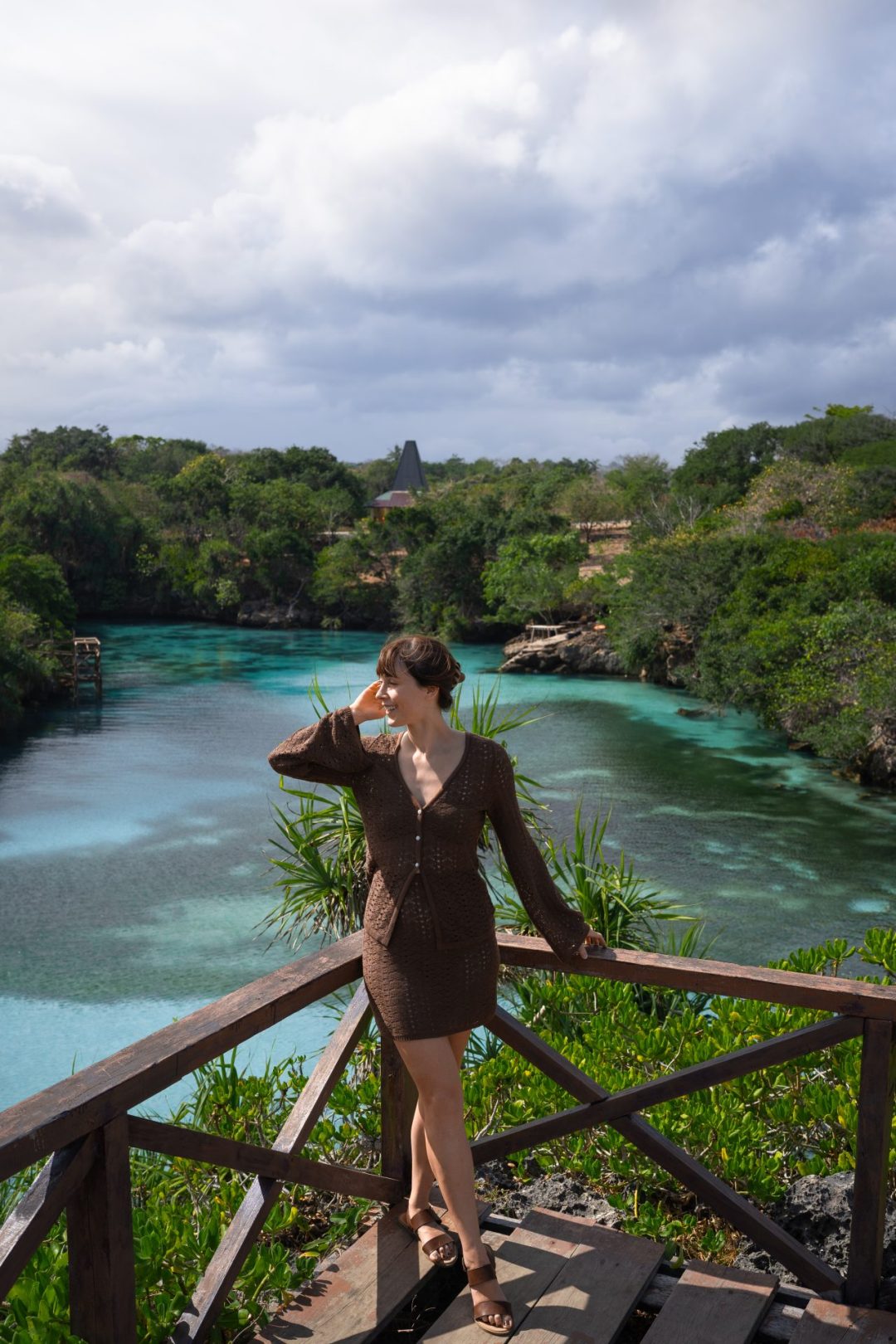
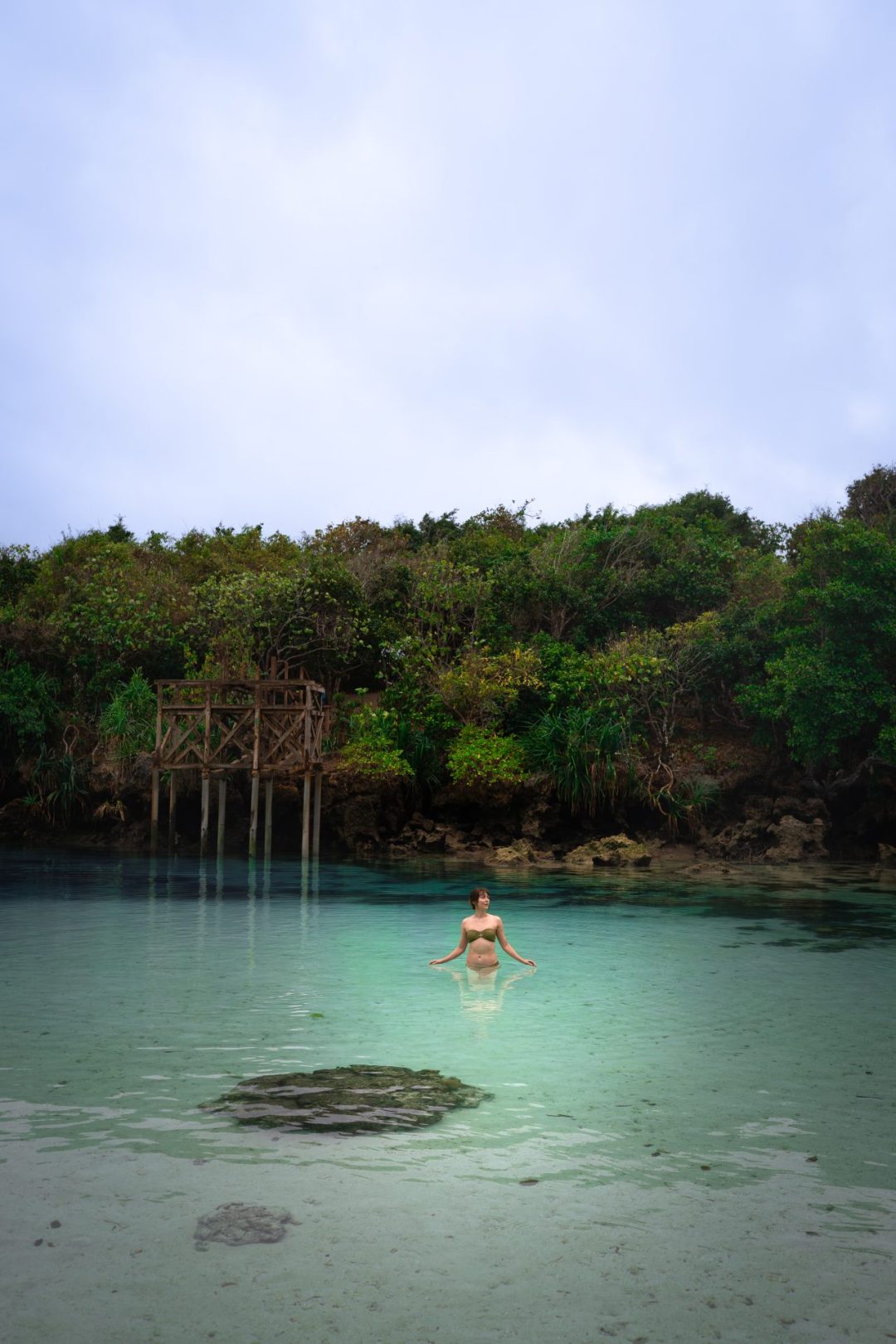
Sumba is much drier and turns golden in the dry season, with bright beaches and clear skies. Rainy season makes the island vibrant and green, but some roads can become muddy or difficult to use, limiting access to certain areas of the island.
Winner: Bali

Bali’s climate tends to be just a bit more predictable than Sumba’s, and it works well for travelers across most months of the year. Even during the rainy season, the island remains lush and easy to explore. If you want reliable weather and minimal disruption to your plans, Bali is often the safer choice.
Beaches and Coastline
Bali
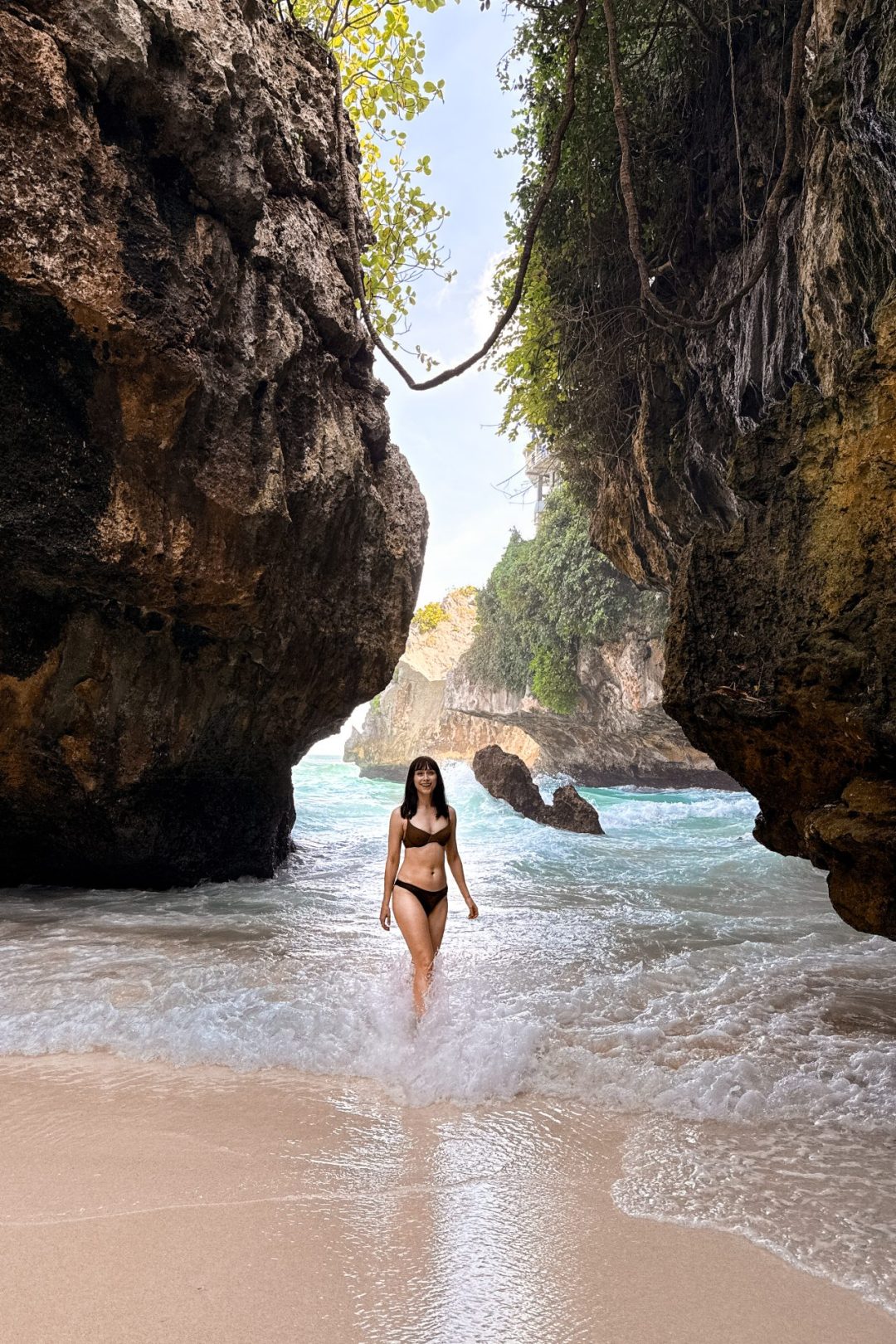
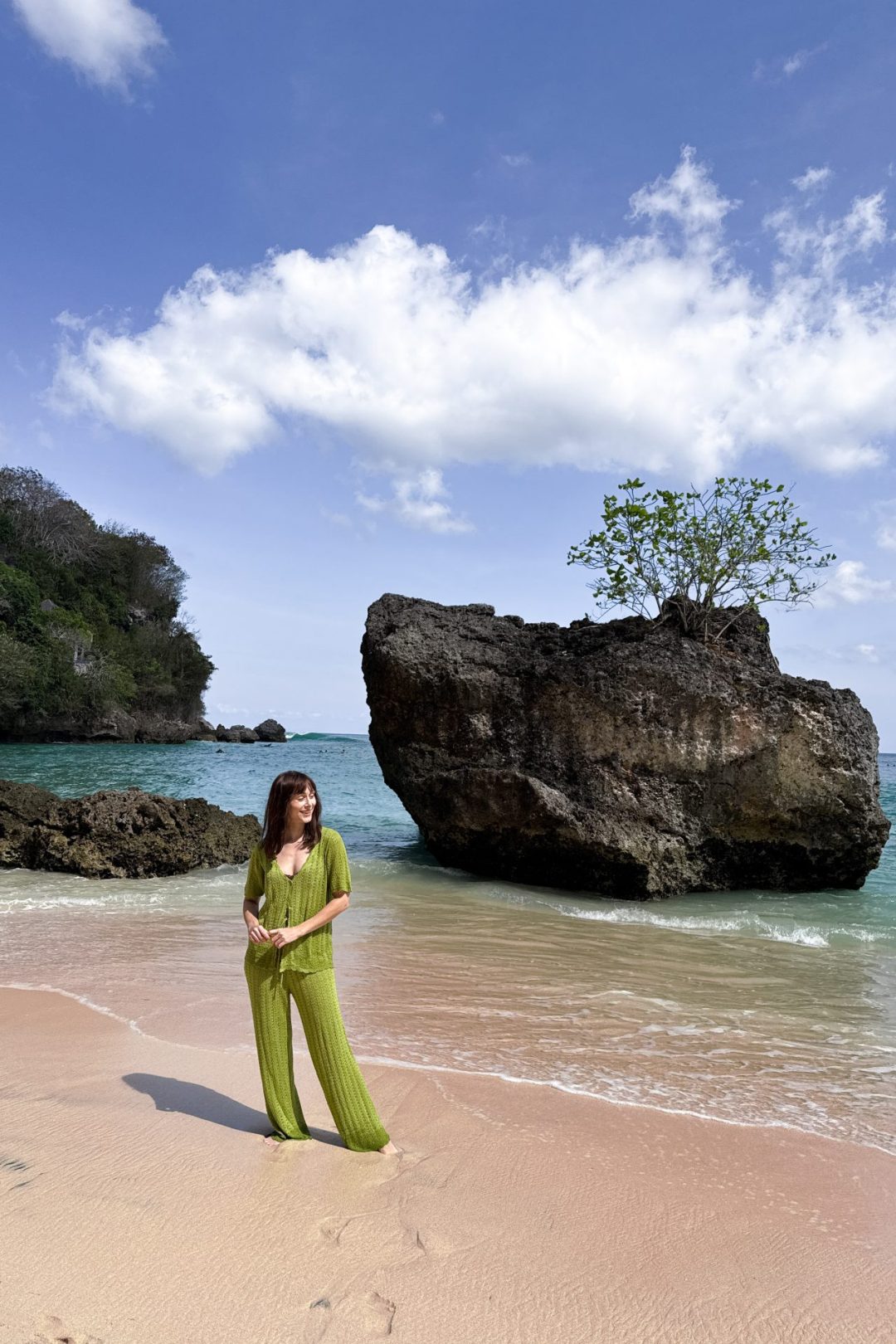
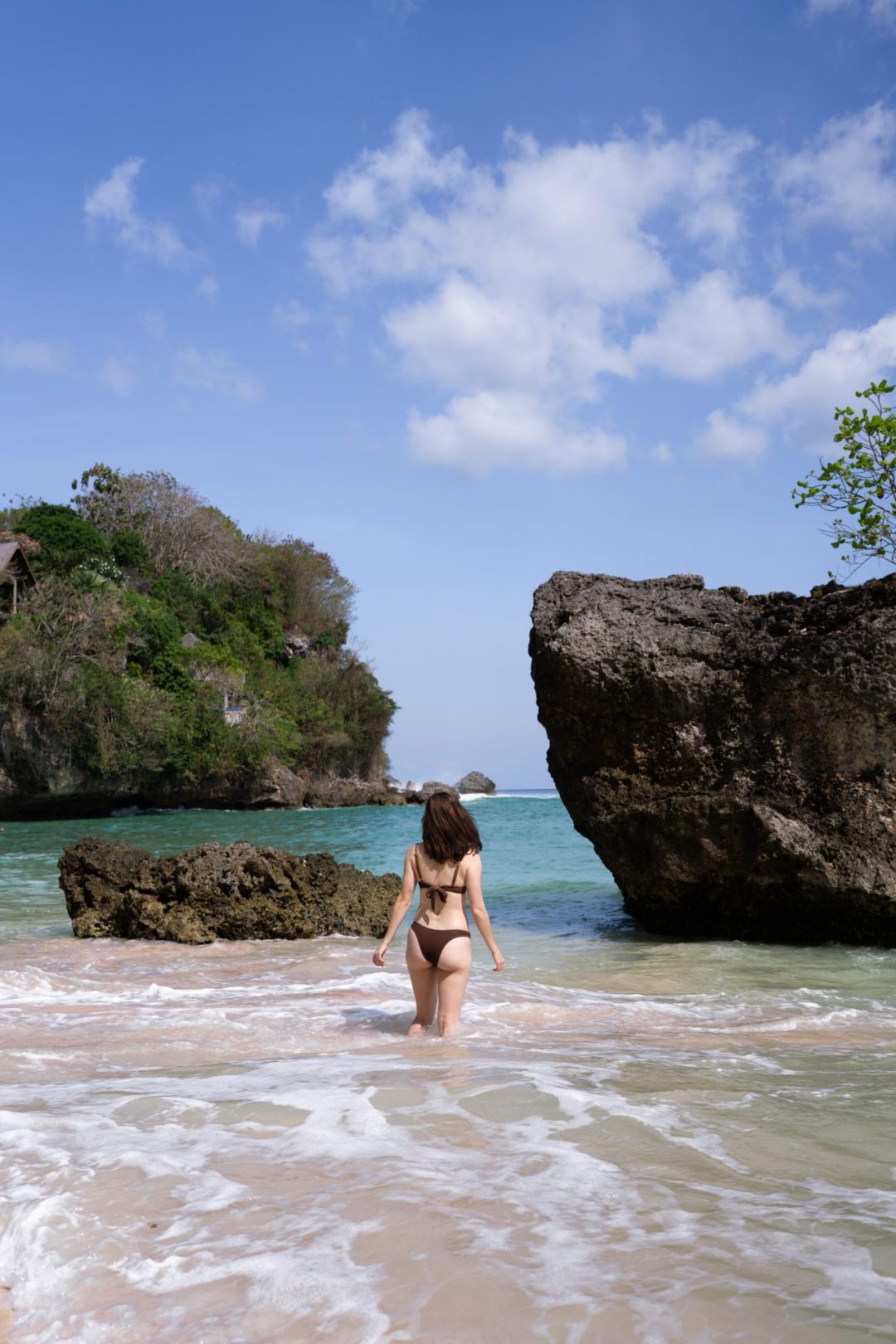
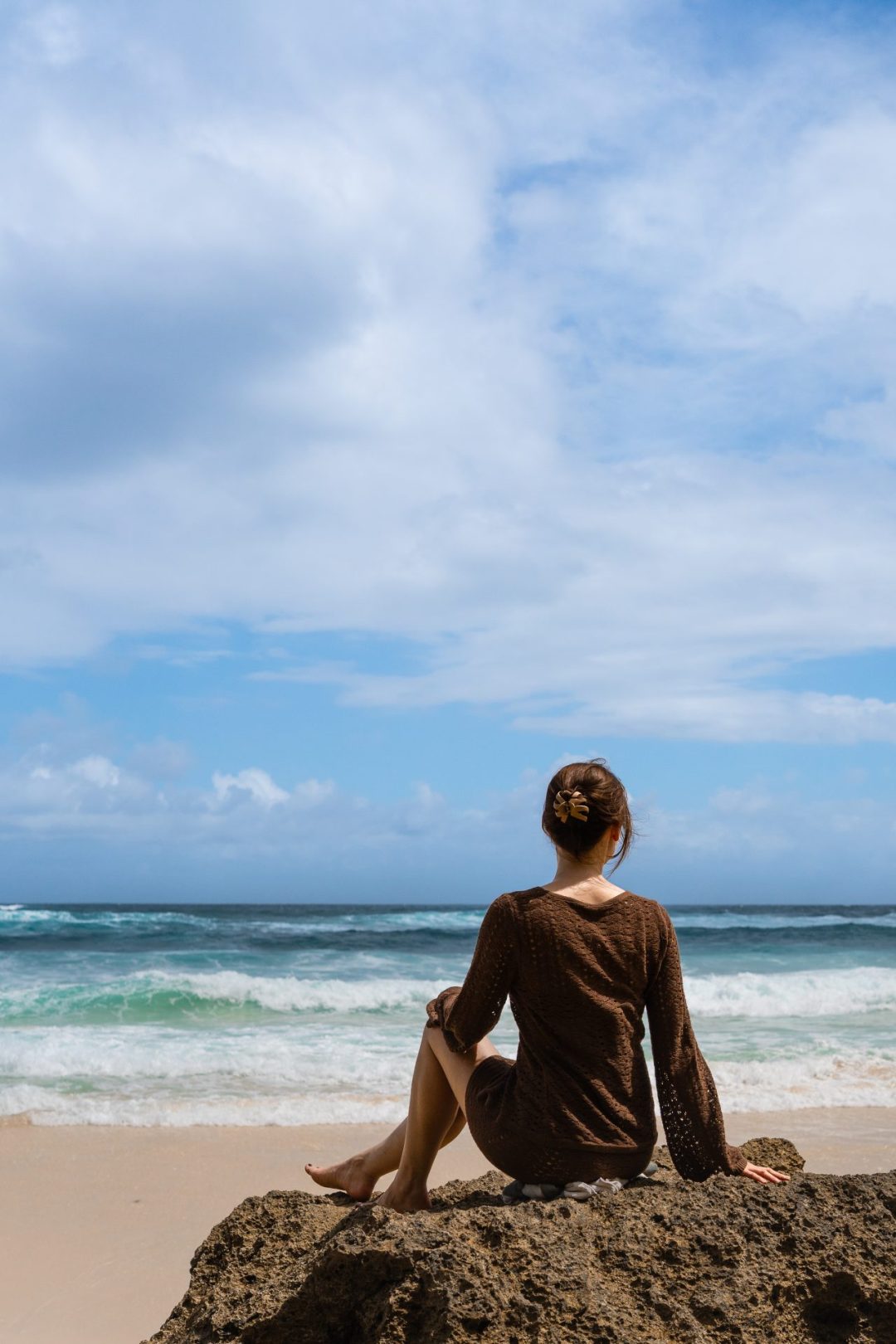
Bali’s beaches are famous for a reason. Uluwatu’s cliffs are stunning, the surf culture is strong, and certain areas offer lively, social beach club scenes. The flip side is that many beaches fill up quickly, especially during peak hours, which can make the shoreline feel more energetic than peaceful.
Sumba
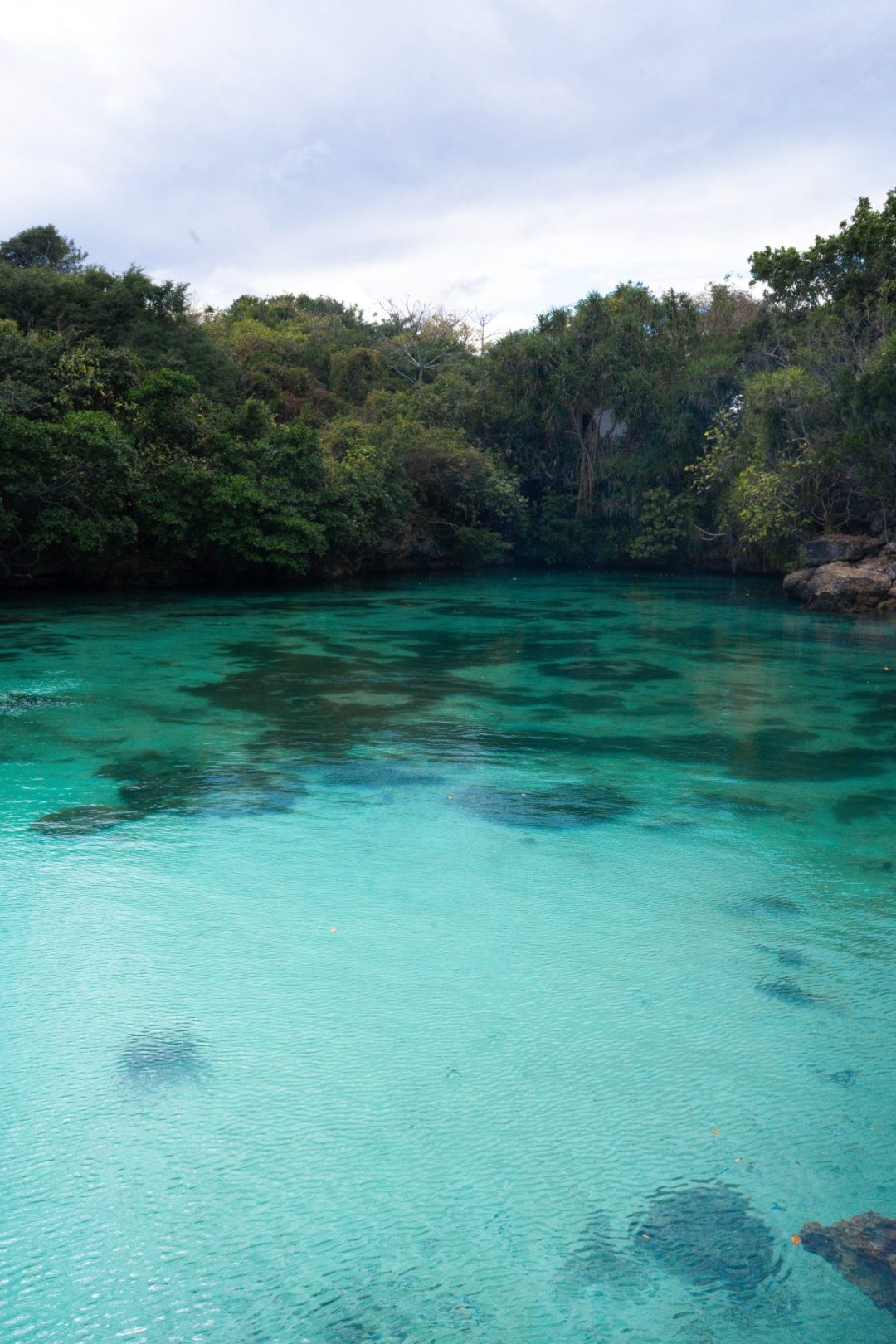
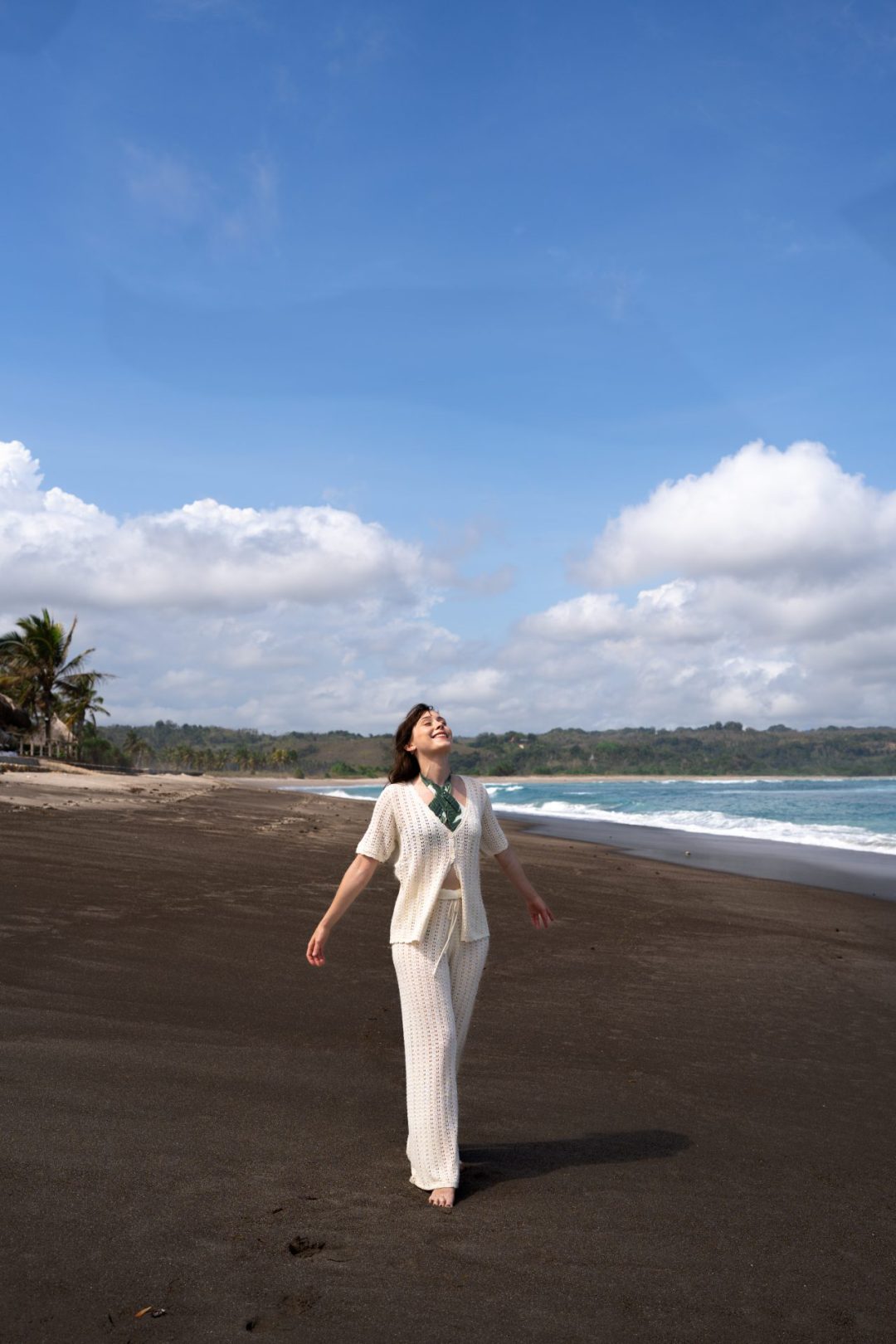
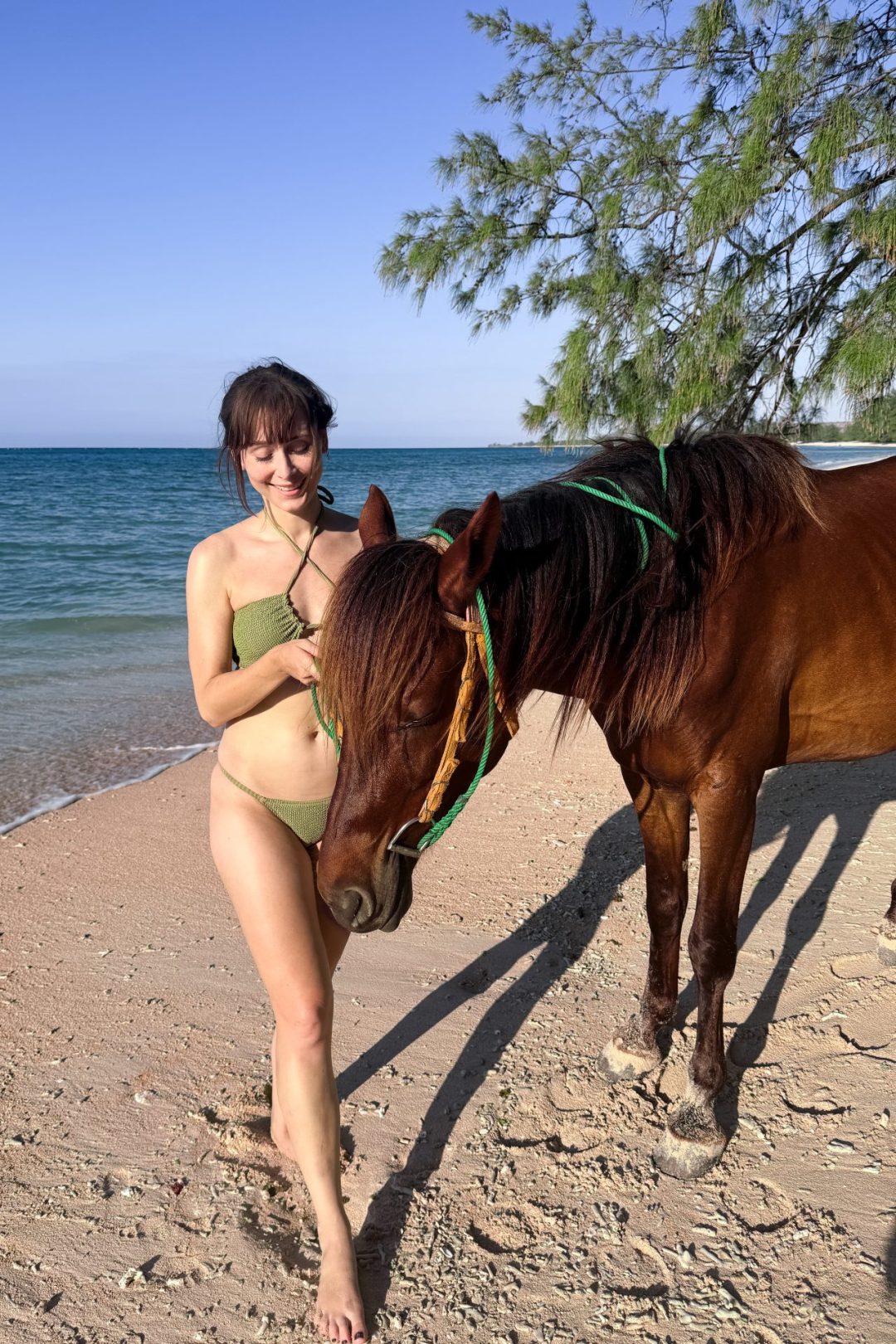
Sumba’s coastline feels pristine. Long stretches of sand remain completely empty, and riding horses along the shoreline at sunset is one of the island’s signature experiences. With fewer visitors, the island’s most stunning beaches like Mandorak, Watu Bela, and Walakiri still feel wonderfully quiet and raw, though without the built-out amenities or places to grab food or drinks.
Winner: Sumba
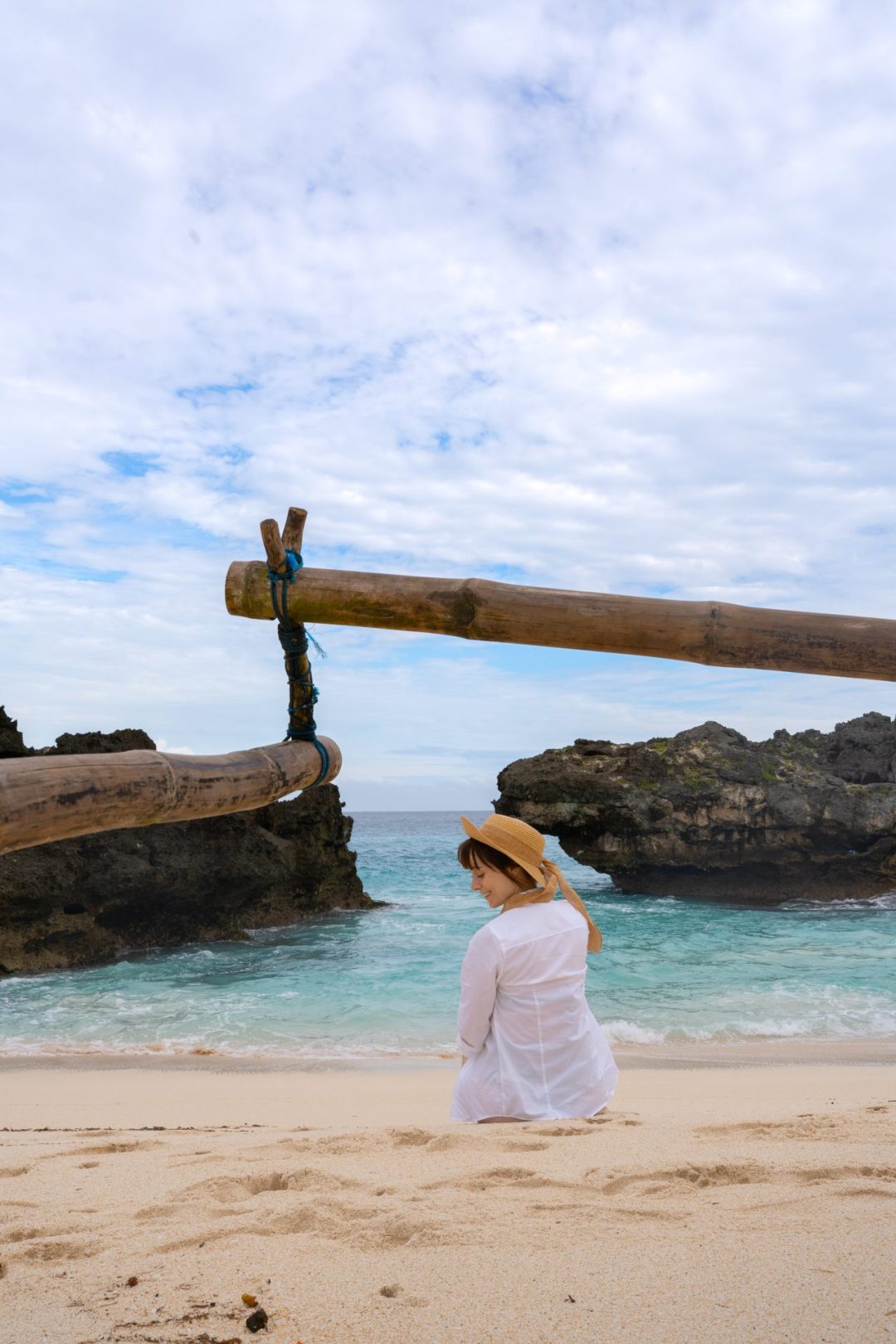
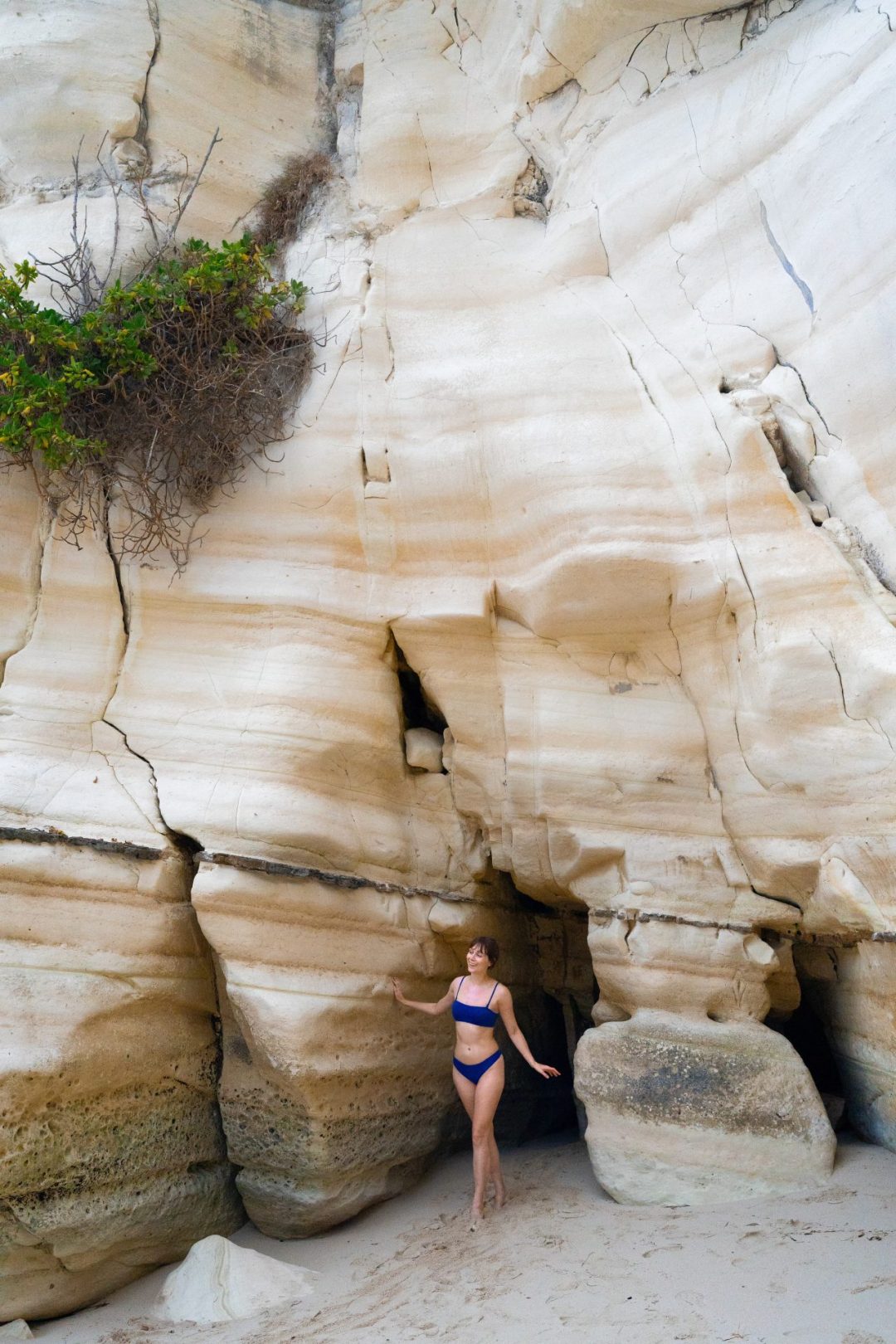
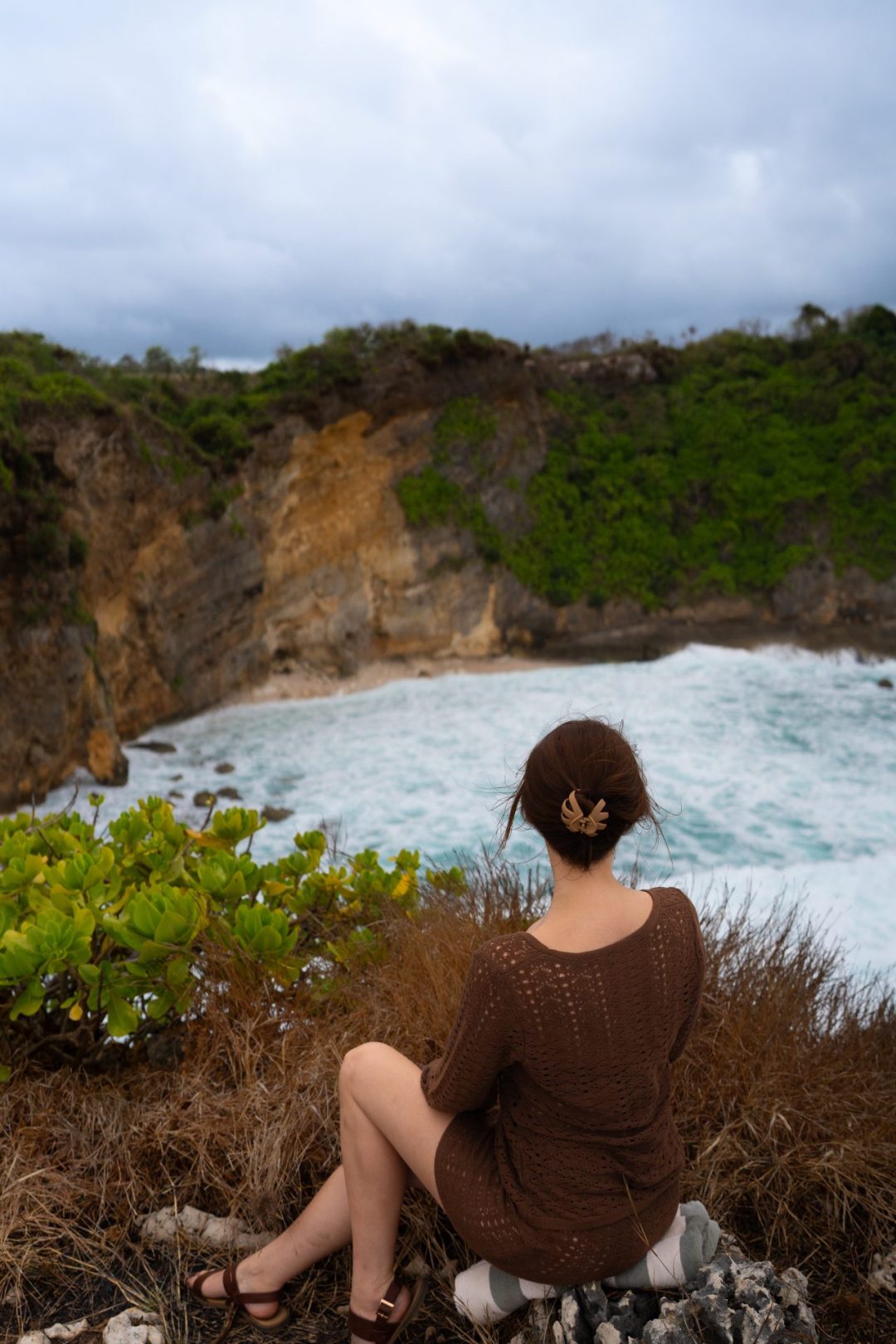
If your idea of a perfect beach involves space, quiet, and a sense of discovery, Sumba offers an experience that is hard to match anywhere in Indonesia.
Budget
Bali
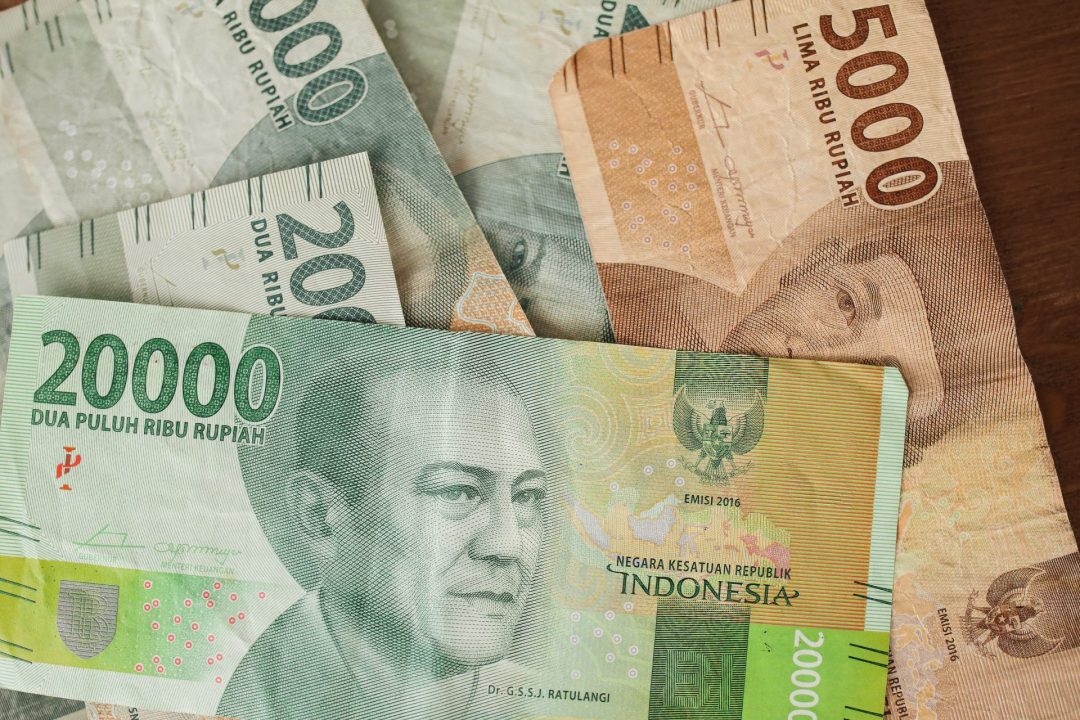
Bali is one of the most flexible destinations in the world when it comes to cost. You can stay in affordable homestays, eat incredible meals at local warungs, or splurge on cliffside villas and tasting menus without much planning. Certain touristy areas can feel expensive, but you always have options to adjust your spending.
Sumba
Sumba naturally leans more expensive. With longer driving distances, limited tour operators, and fewer hotel categories, costs add up more quickly here. The value is excellent when you do splurge and there are still many budget-friendly options around the island, but with limited infrastructure, costs do add up.
Winner: Bali
Bali makes it easy to find accommodations and meals at any price point, which gives travelers more freedom to shape their trip.
Local and Cultural Experiences
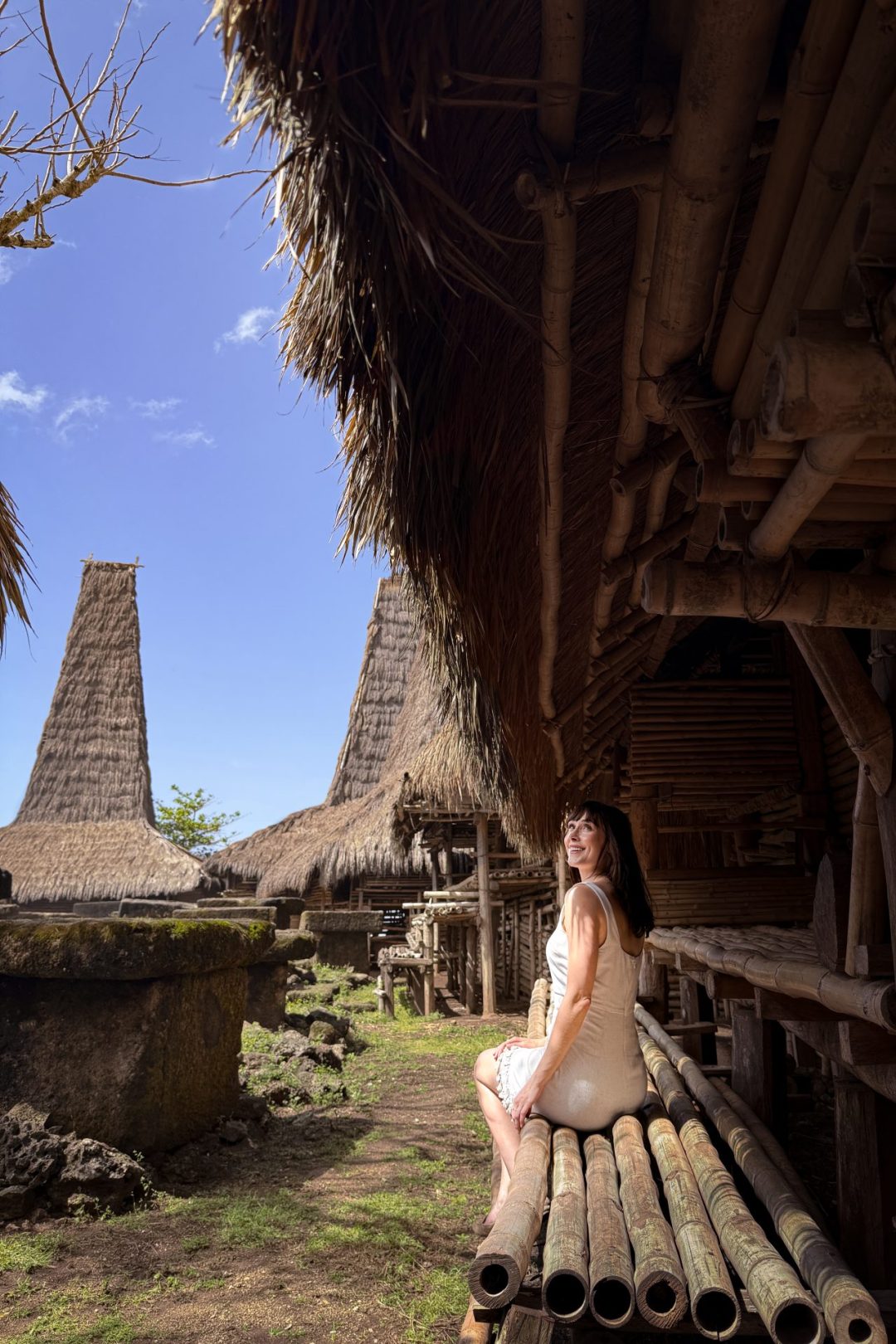
Bali
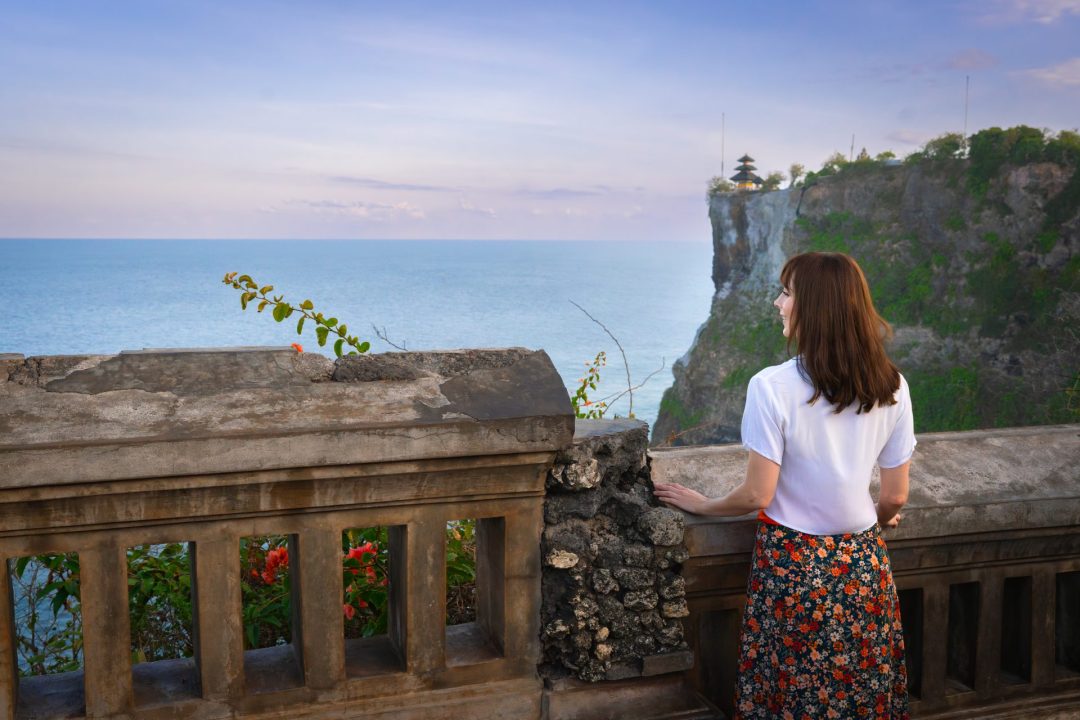
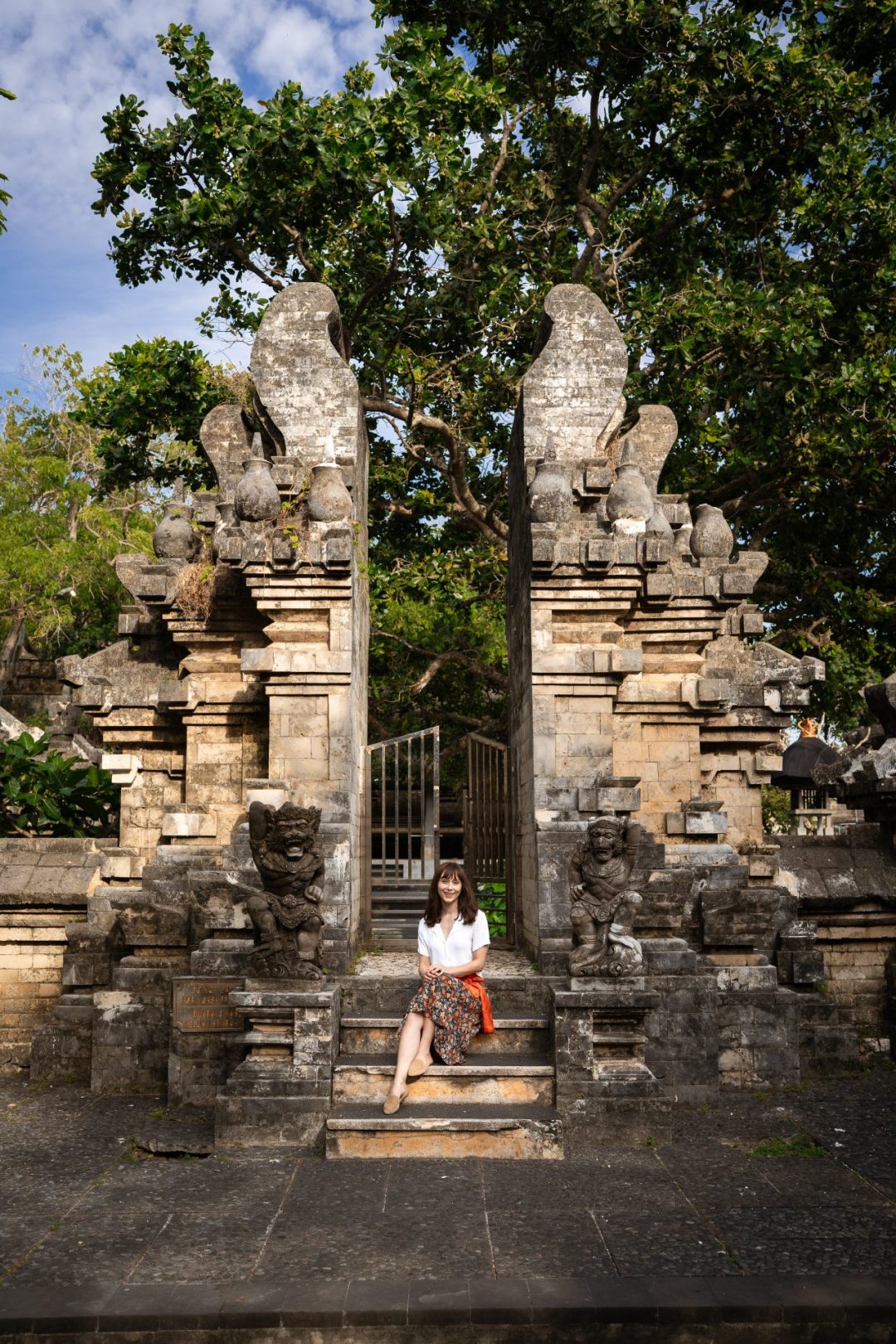
Local culture can be seen everywhere in Bali. Temples line the roads, daily offerings decorate sidewalks, ceremonies fill the calendar, and dances unfold every night. It is a very accessible place to learn about the local culture, with endless guides and Airbnb experiences available. The downside is that the popularity of these experiences sometimes makes things feel packaged, which means the magic is not always as strong as it once was.
Sumba
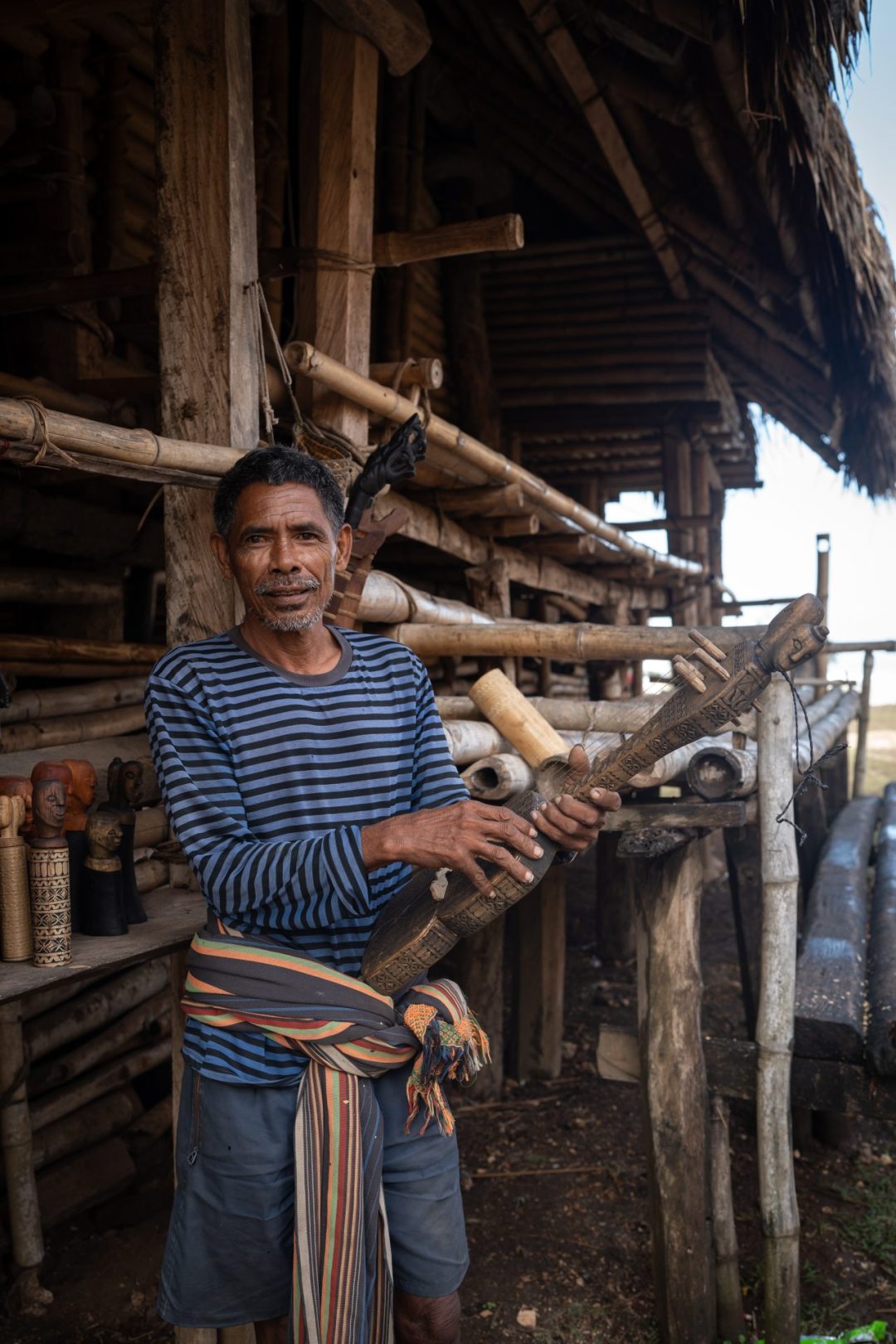
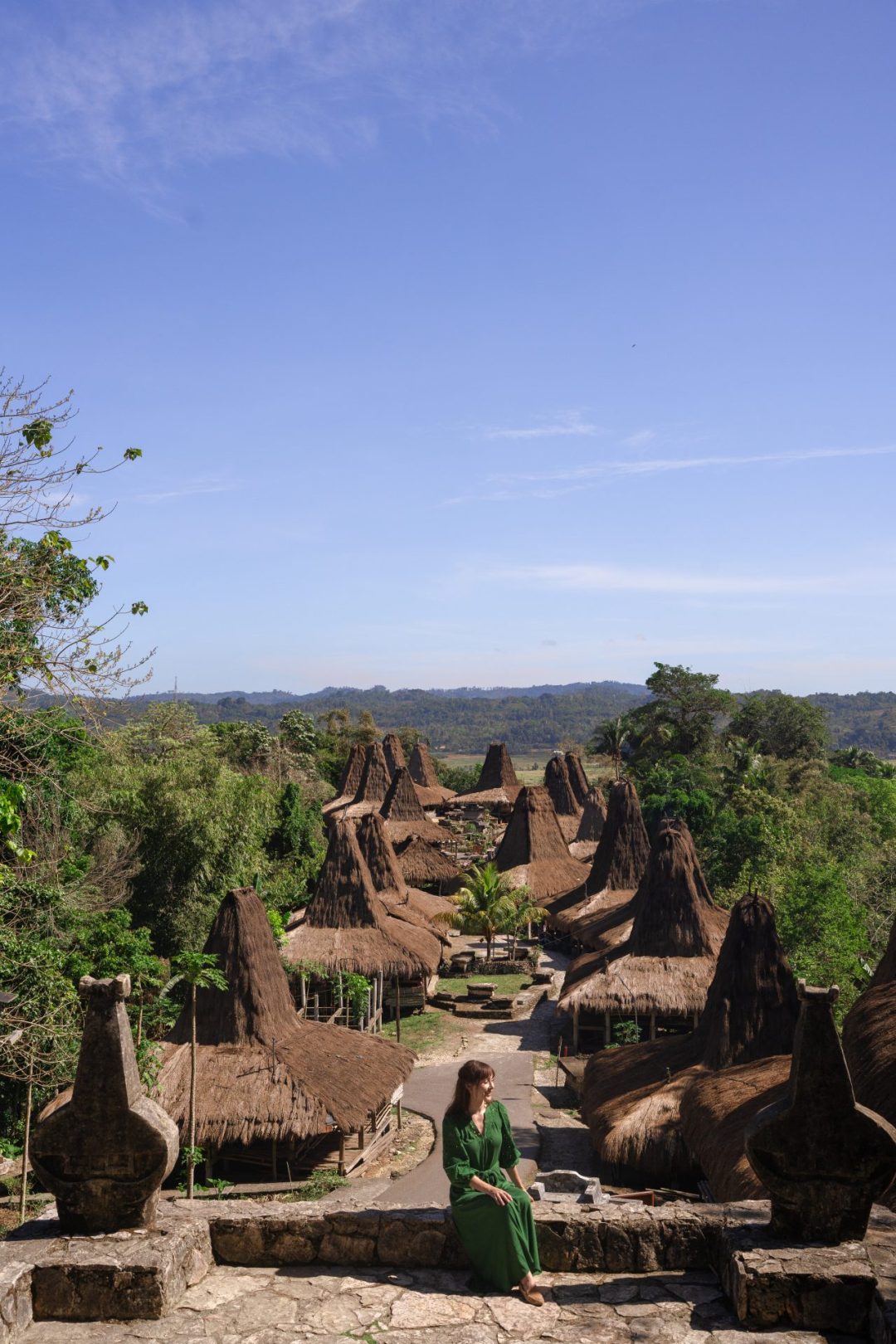
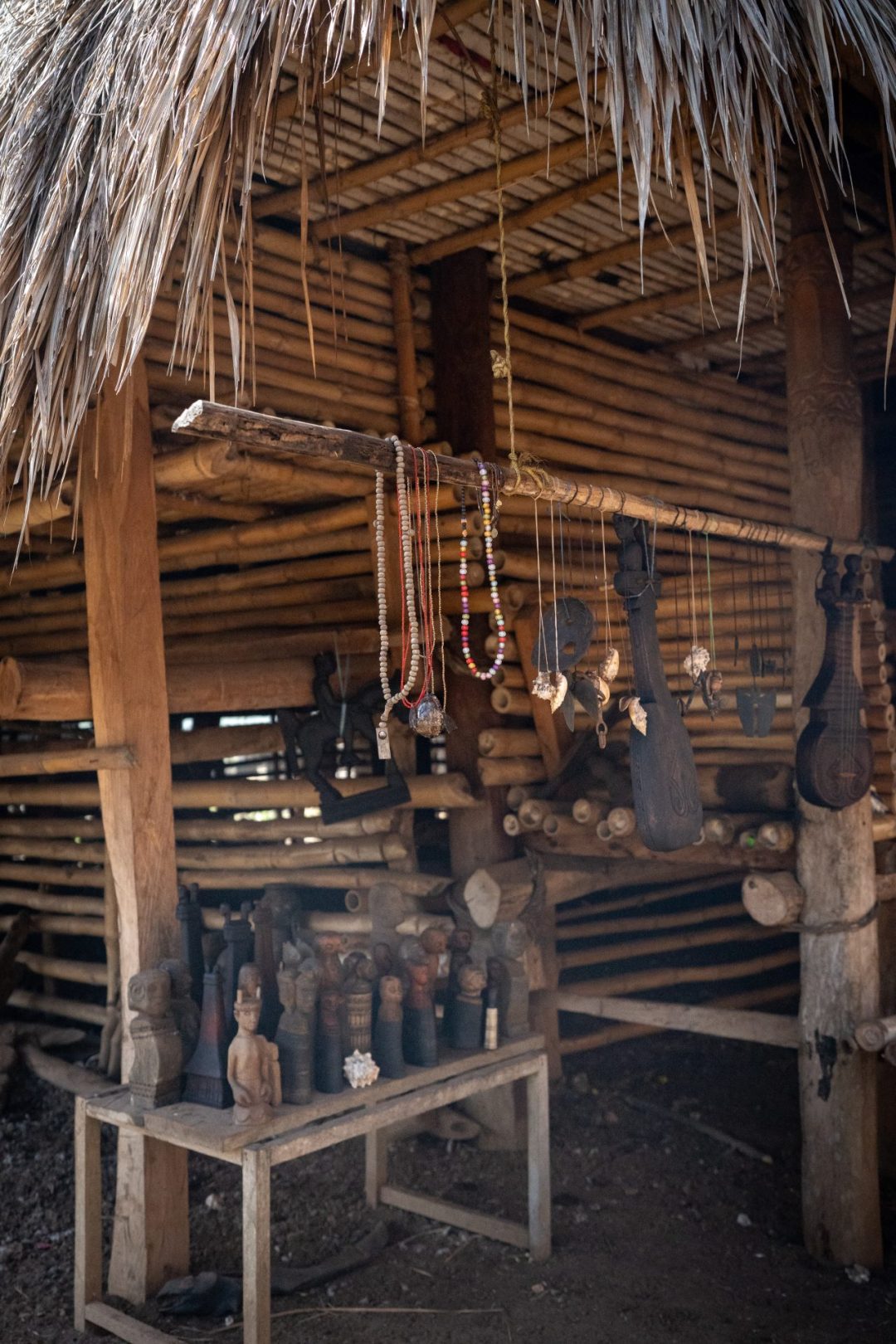
Sumba’s cultural experiences feel authentically rooted in everyday life. Traditional villages are not staged or curated. They are real communities where families still follow Marapu traditions, build towering ancestral houses, and create ikat textiles by hand. Visiting feels both personal and intimate, and the conversations I had in these villages have stuck with me. The only cons here are you need a local guide who is connected to the communities and some sites take time to reach because they are spread out across the island.
Winner: Sumba
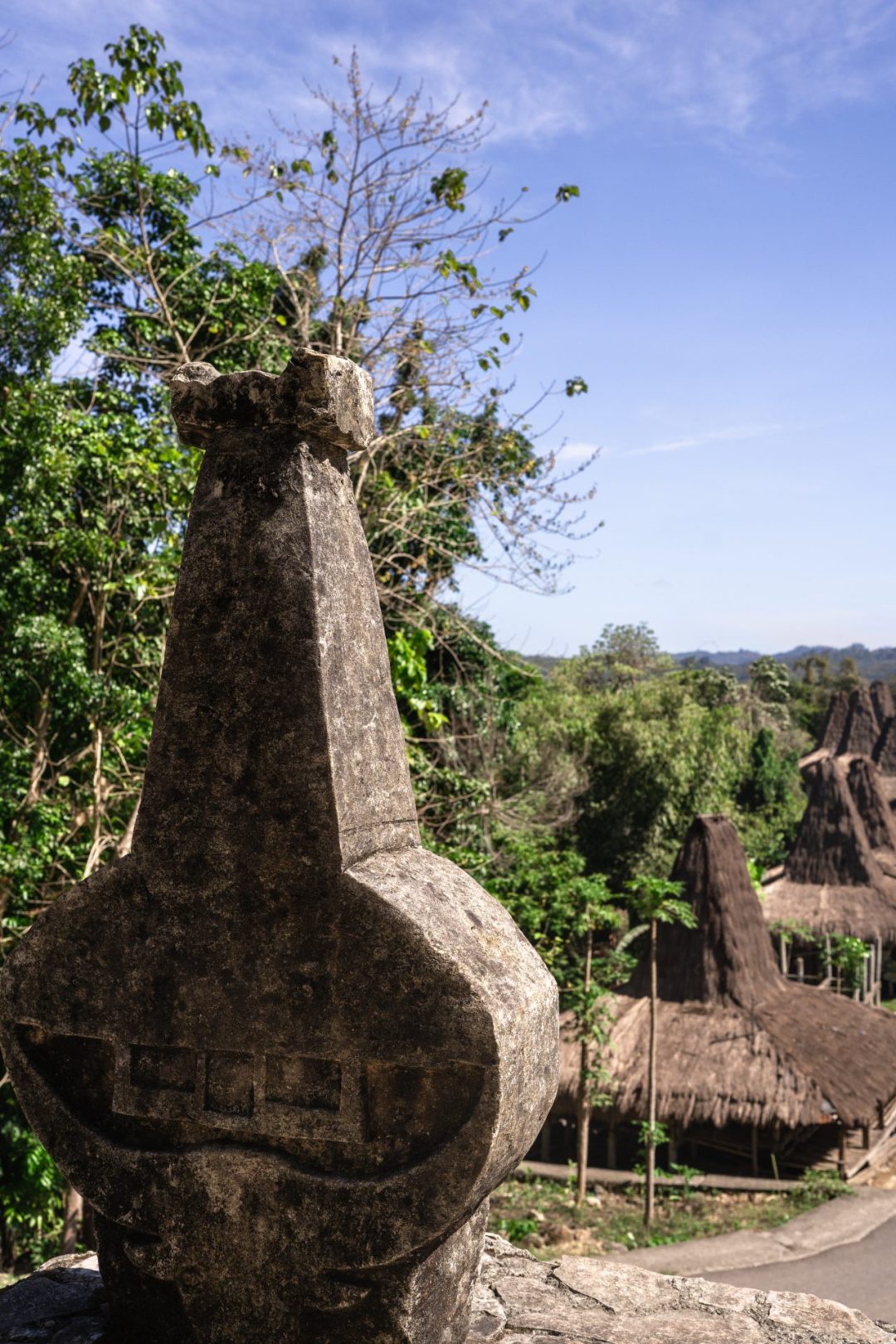

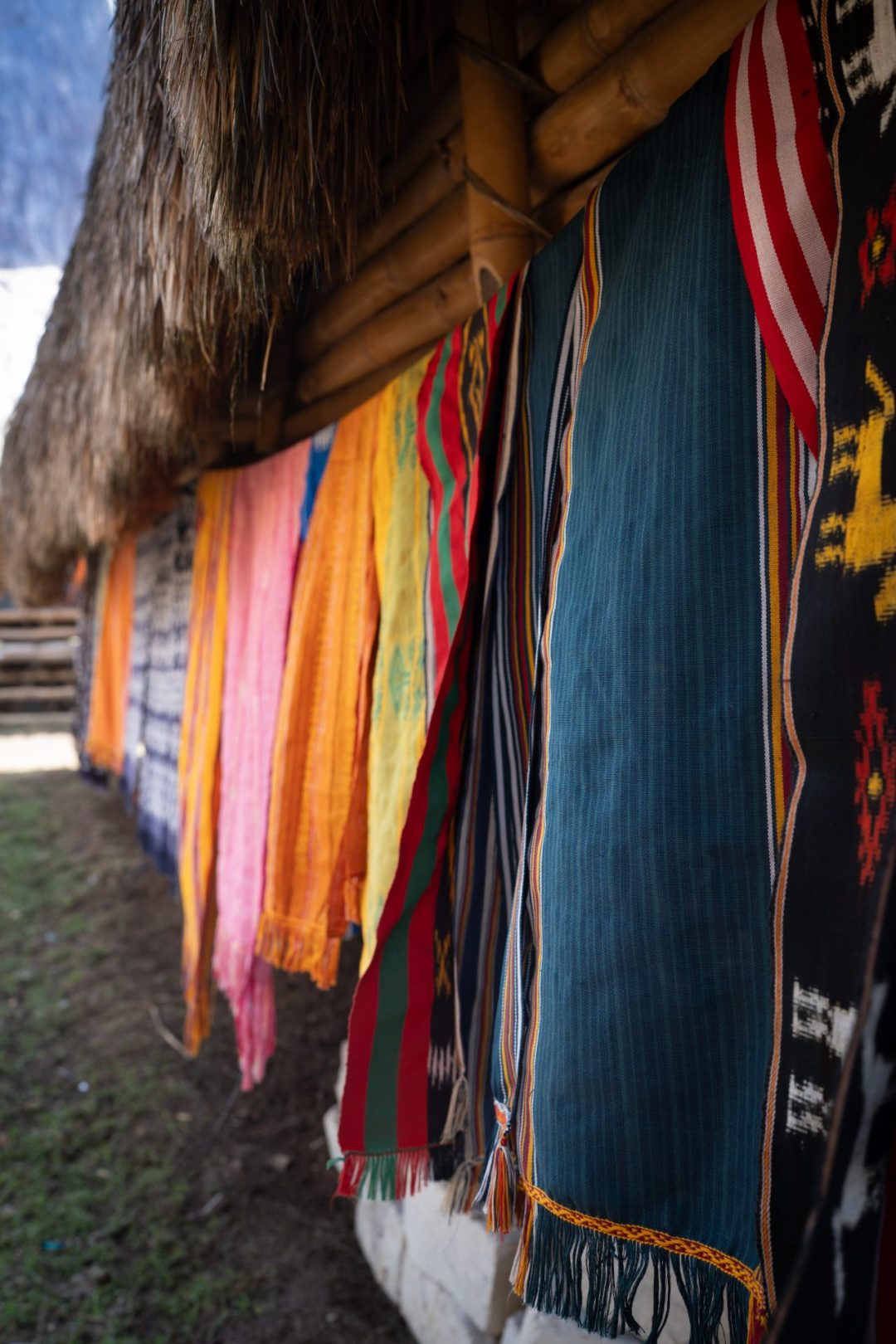
Sumba edges out Bali here because the cultural experiences feel unfiltered and genuinely tied to daily life. While Bali is easier and more structured for visitors, Sumba offers something rare. Nothing feels packaged or performed. If culture is one of the main reasons you are traveling, Sumba delivers a level of authenticity that’s hard to find elsewhere.
Transportation
Bali

Bali is straightforward to navigate with drivers, Grab, Gojek, scooters, and well-established roads. It is easy to move between towns, and while traffic can be heavy, you still have the flexibility to explore on your own schedule.
Sumba
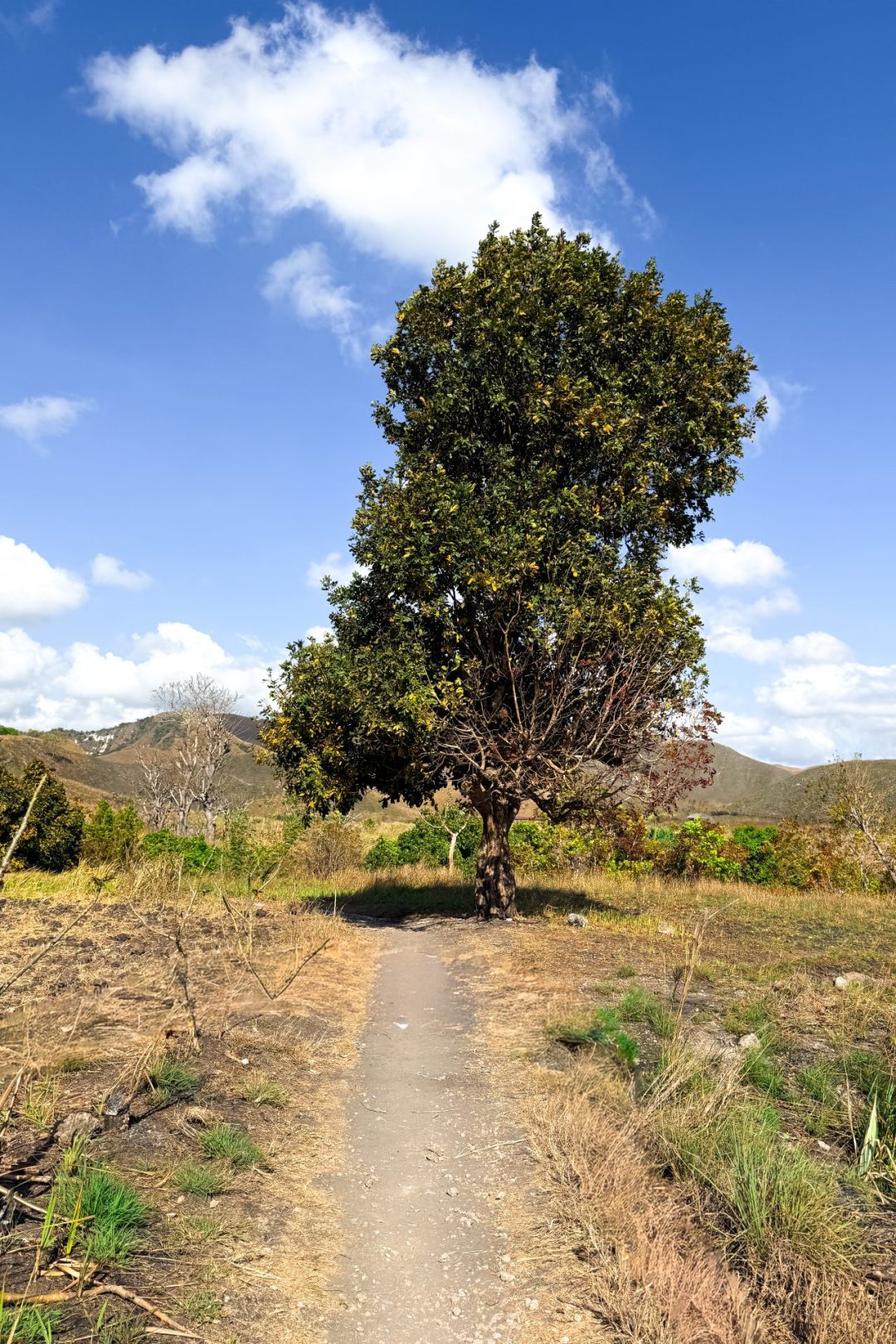
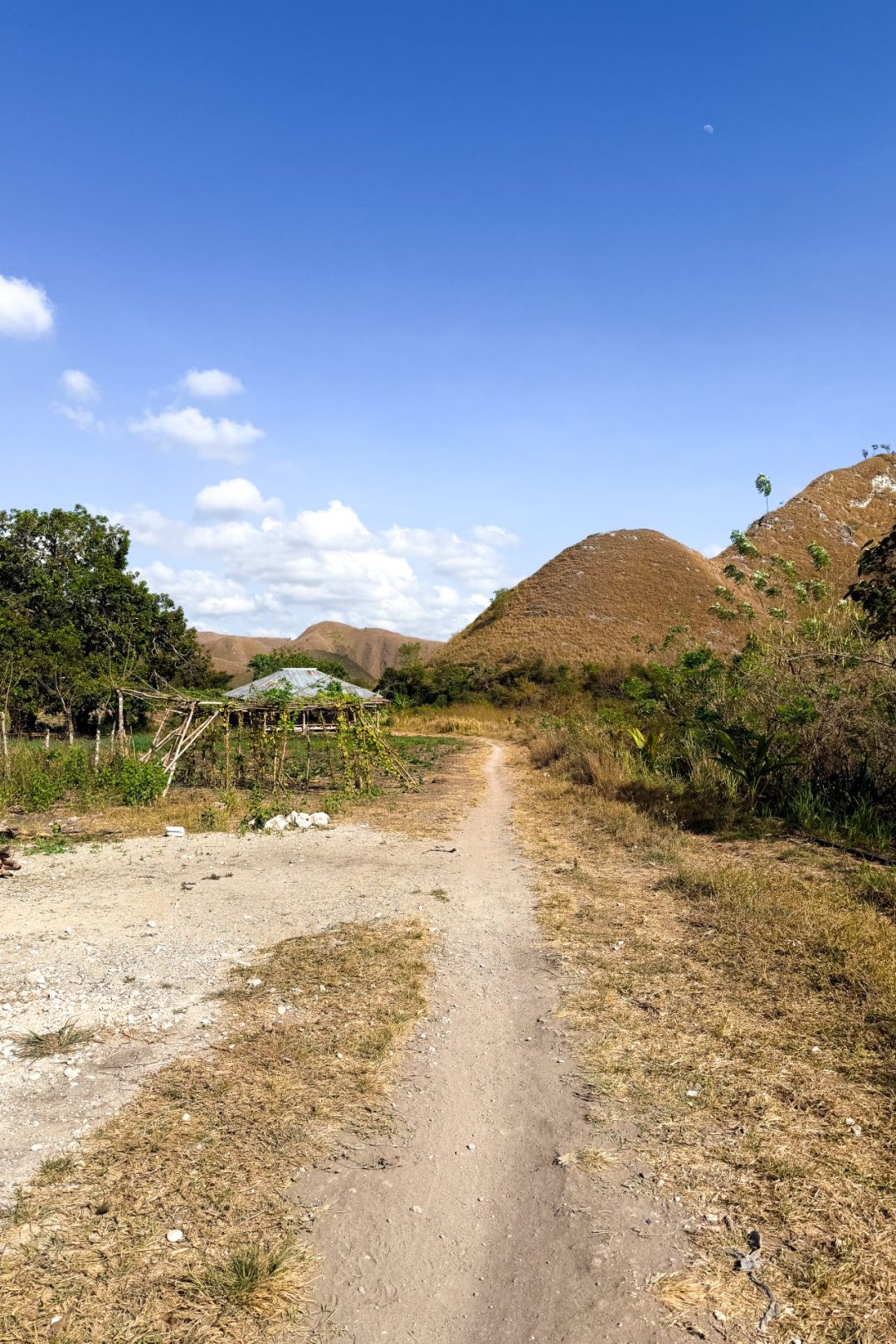
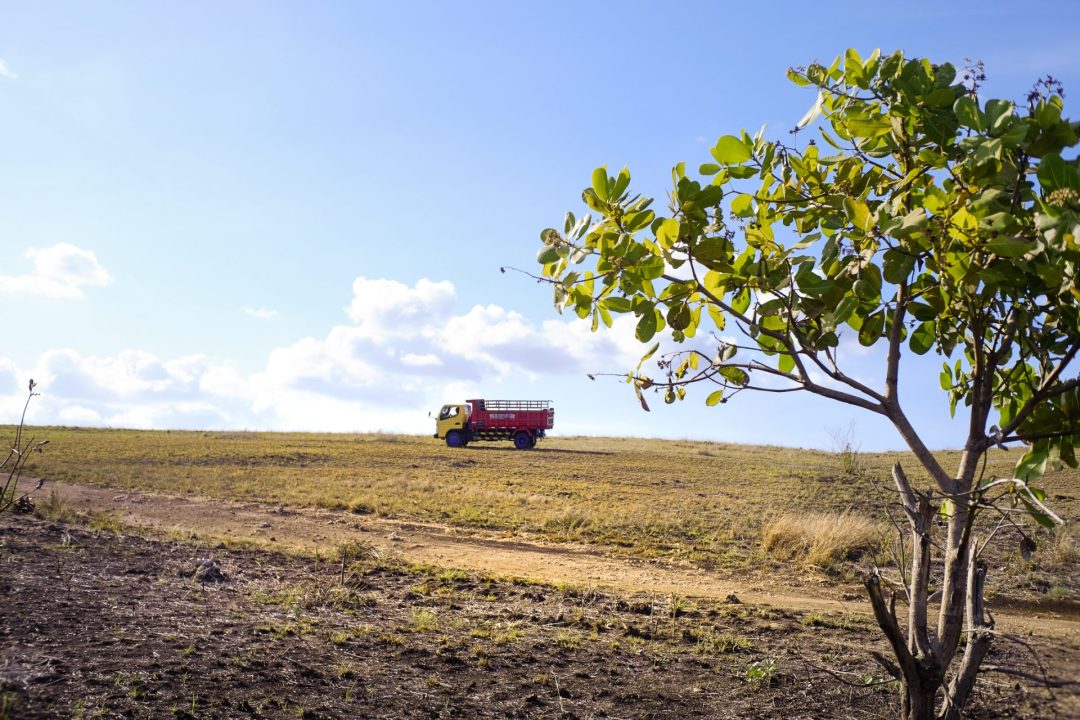
Travel in Sumba requires more planning. There are highways and paved roads near the cities, just like in Bali, but distances here are long, roads vary in quality, and often times the gas or petrol you need isn’t stocked at the local stations (though, it can often be found in reused water bottles for purchase outside local family homes!) To get around Sumba, you’ll likely want a private driver arranged through your hotel. The drives are peaceful and scenic, but they limit spontaneity and independence.
Winner: Bali

For convenience, freedom, and a smoother day-to-day travel experience, Bali is the more practical choice, especially for first-time visitors.
Waterfalls and Inland Landscapes
Bali
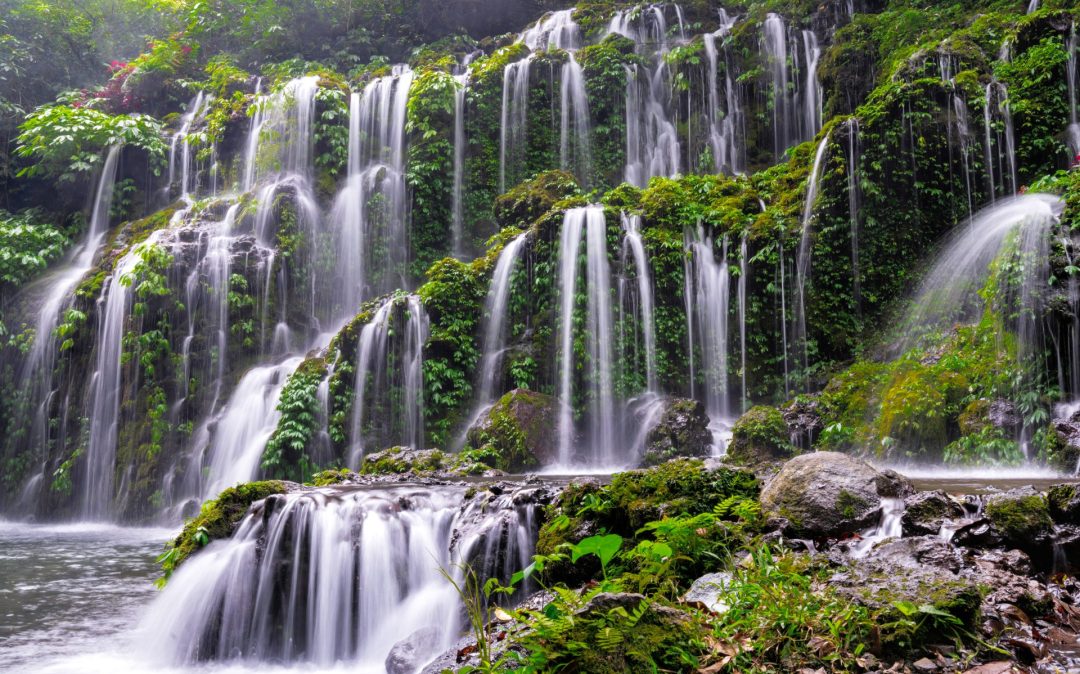
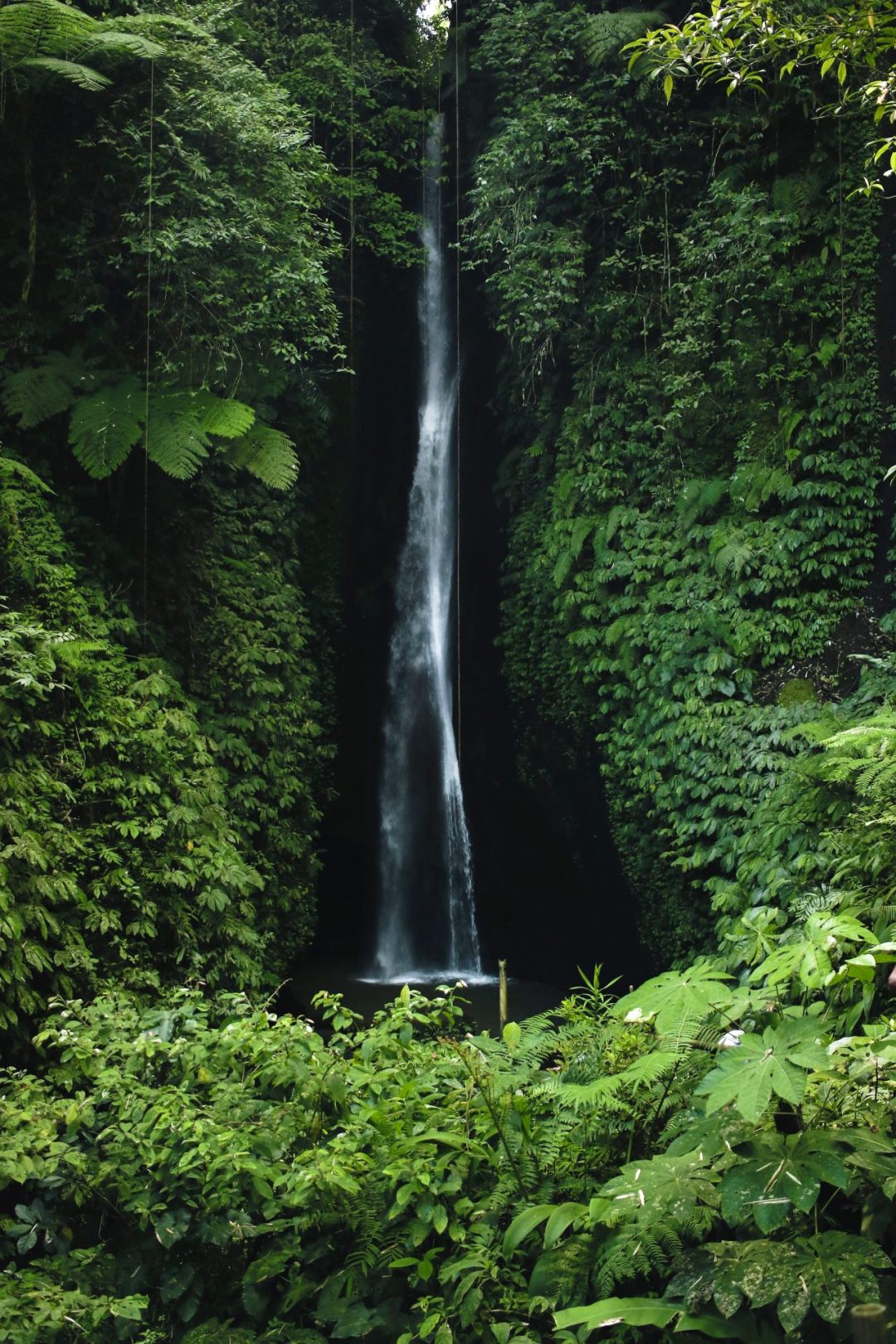
Bali’s inland scenery is lush and iconic. Rice terraces climb the hillsides, jungle views stretch for miles, and waterfalls are often only a short walk away. These landscapes are beautiful, but many popular spots attract crowds and sometimes feel more staged than wild.
Sumba
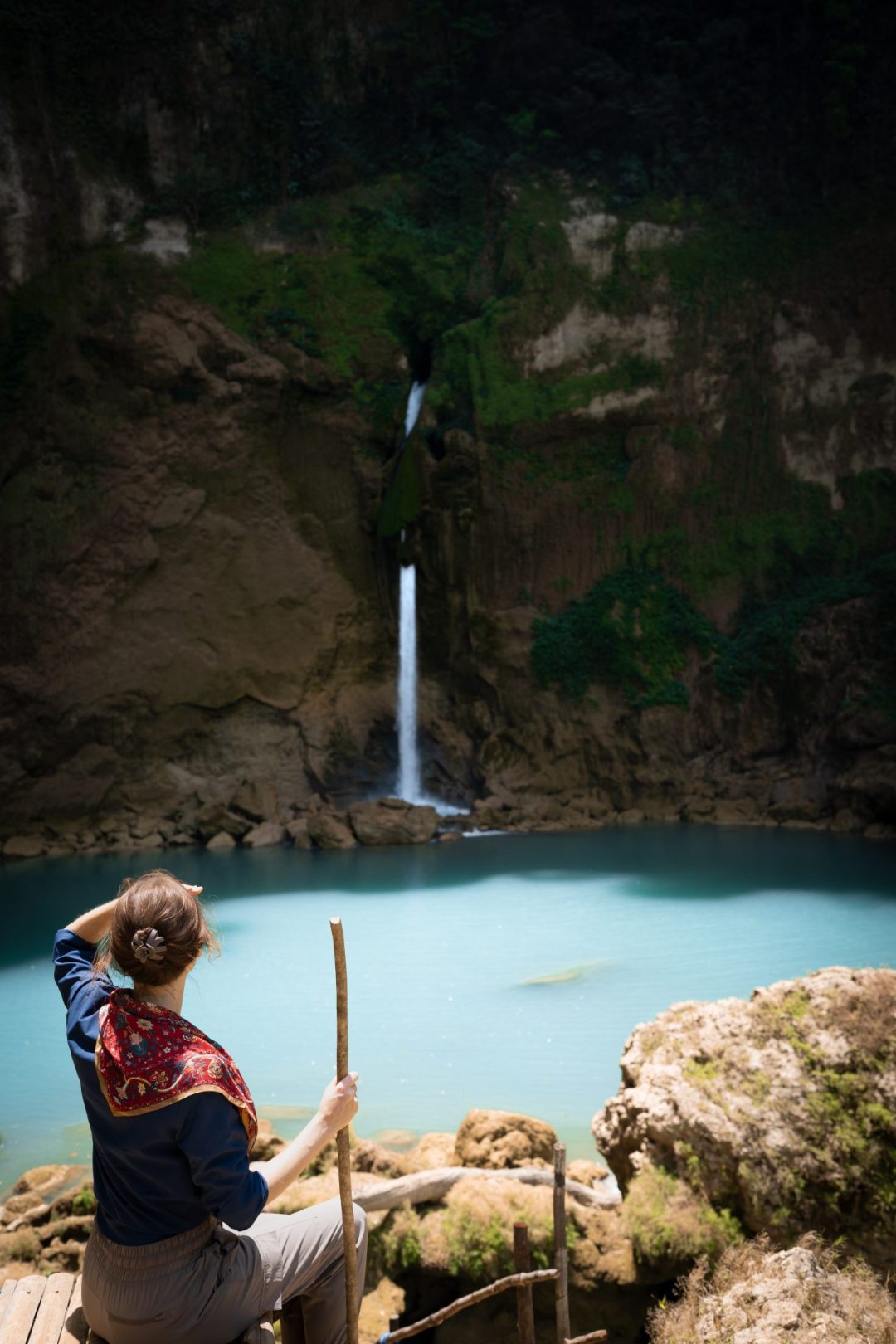
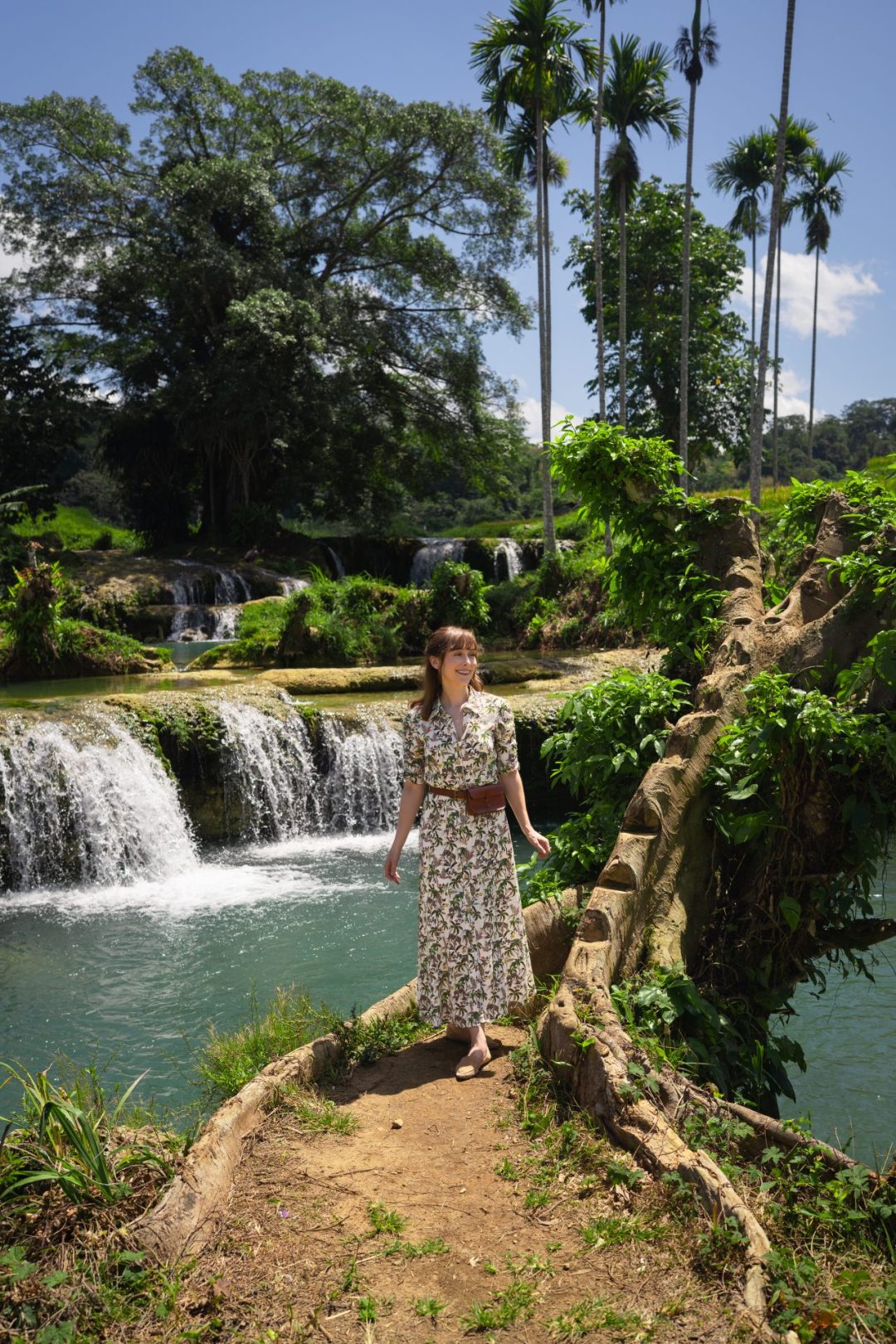
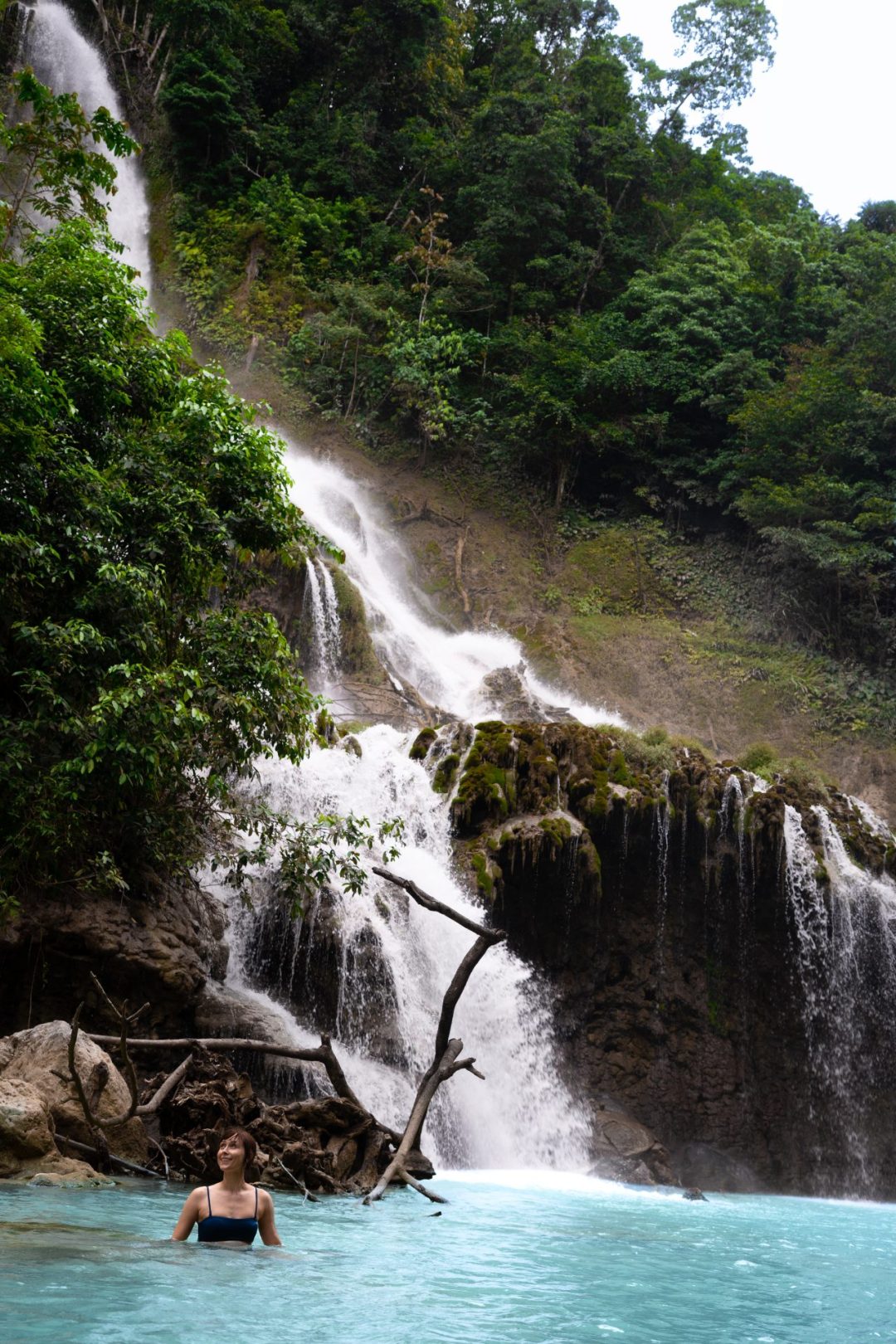
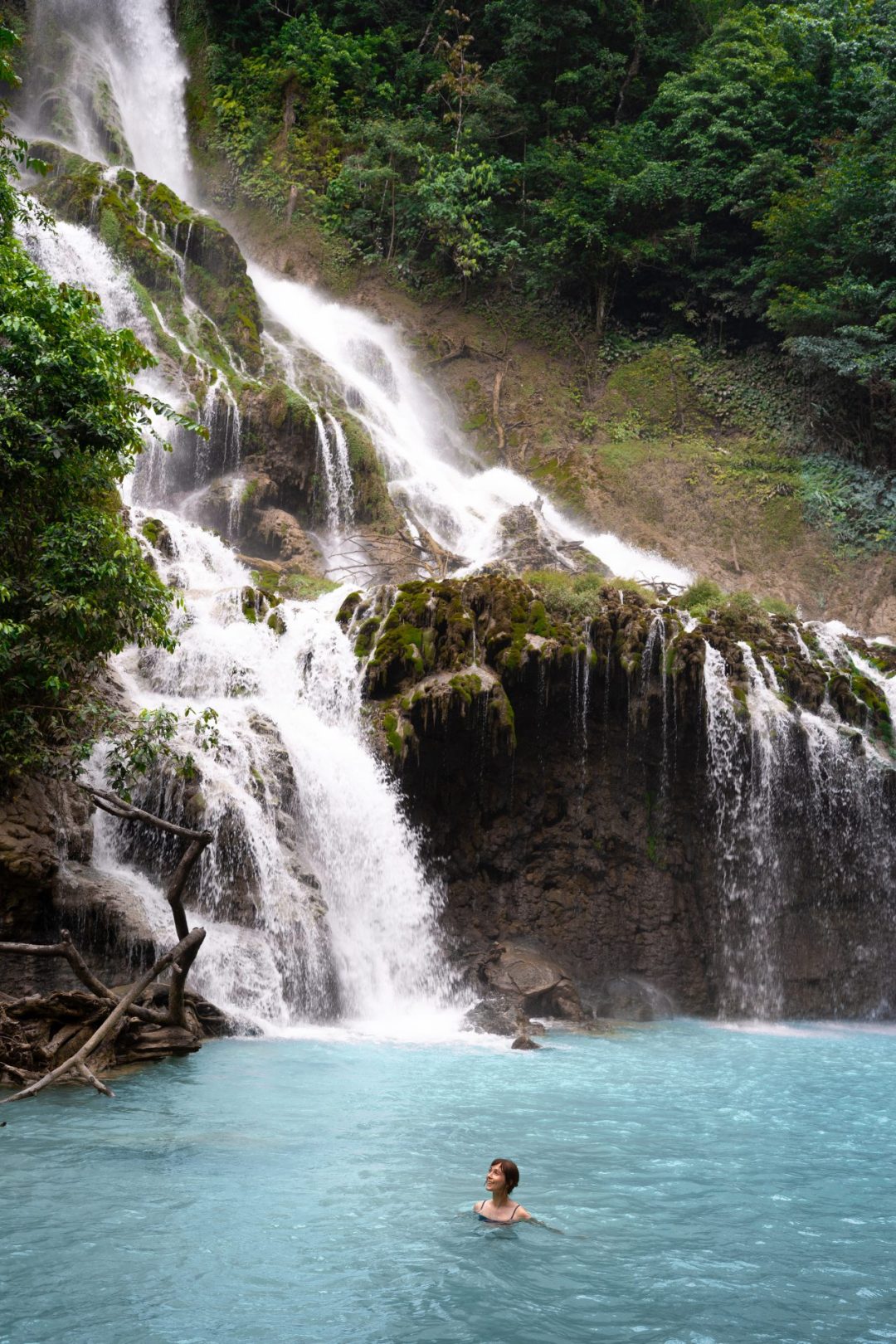
Sumba’s interior is rugged and dramatic. Waterfalls are tucked into remote gorges, and the journey to reach them can involve crossing streams, climbing natural rock paths, or balancing along pipes. You often have these places completely to yourself, which gives every stop a sense of real adventure. Travel times can be long, but the reward is worth it.
Winner: Sumba
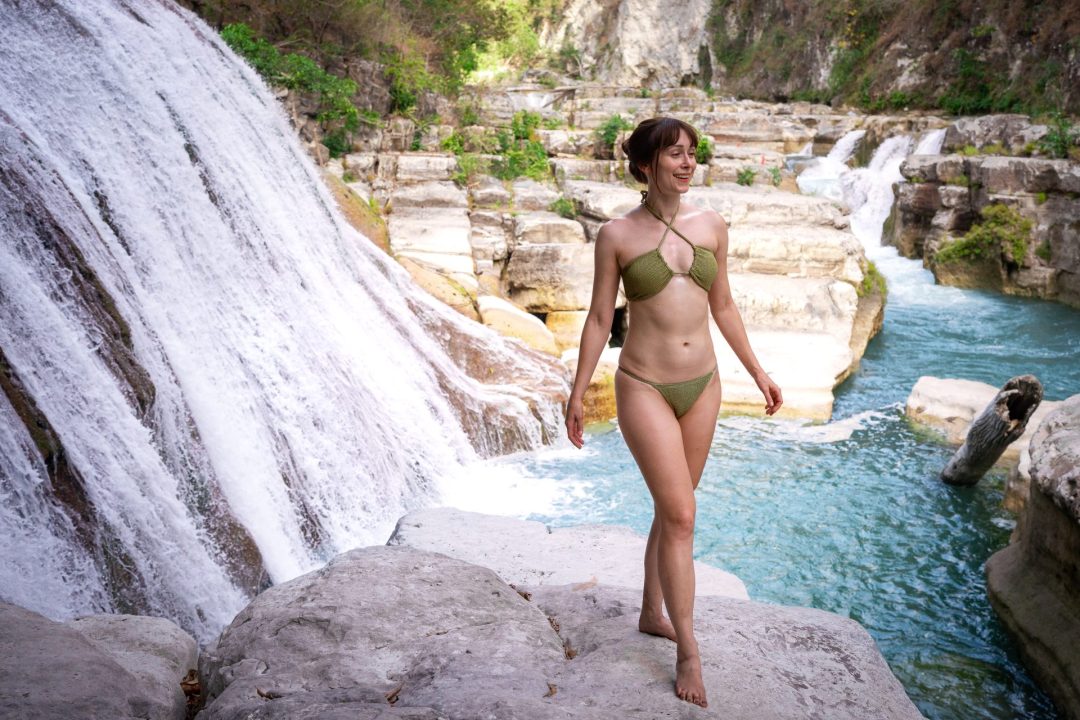
For travelers who want scenery that feels untouched by crowds and journeys that feel like an exploration, Sumba’s inland landscapes and waterfalls stand far above Bali’s. If you’re planning a trip, I put together a full guide with my favorite waterfalls and helpful tips for visiting them.
Hotels and Accommodation
Bali


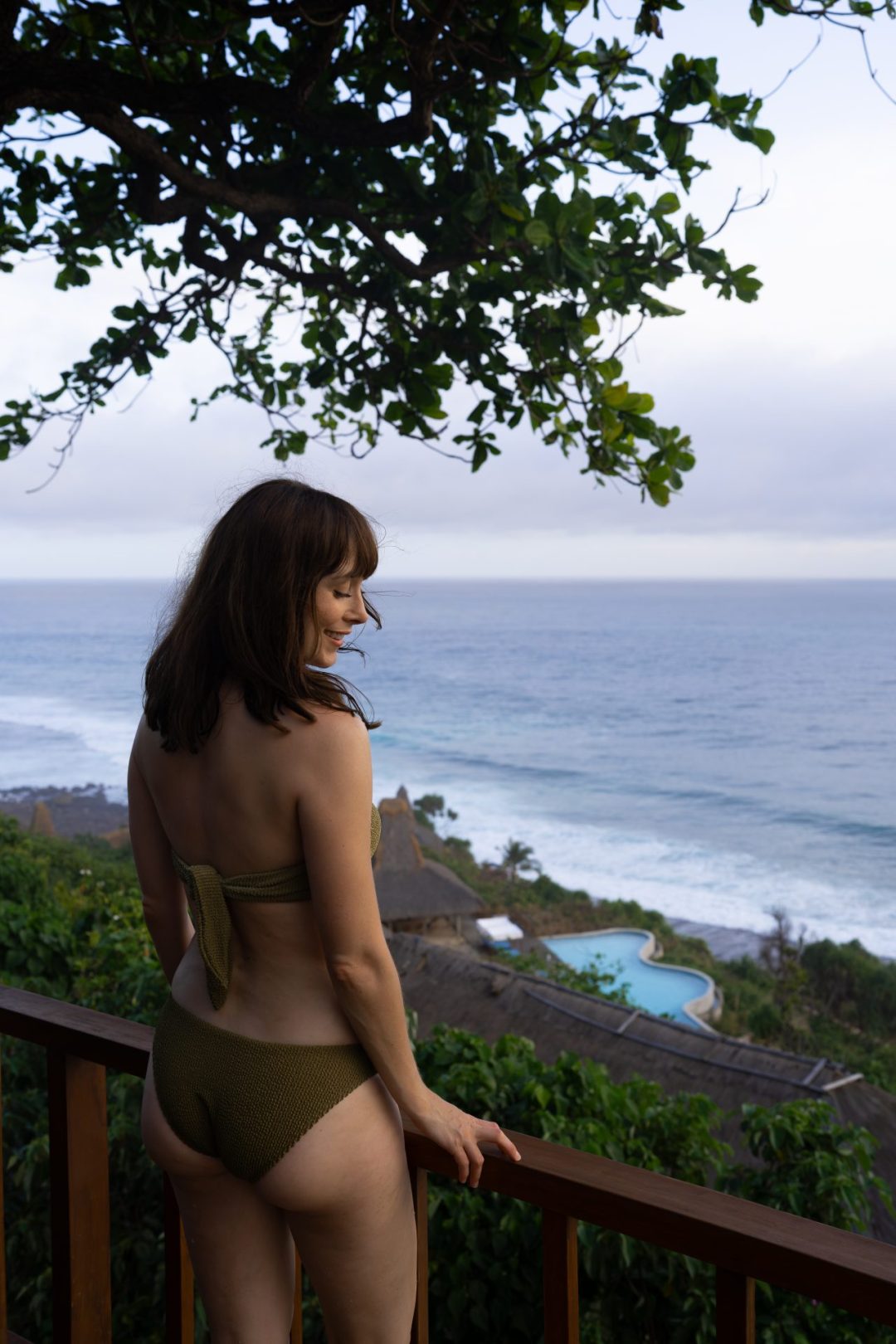
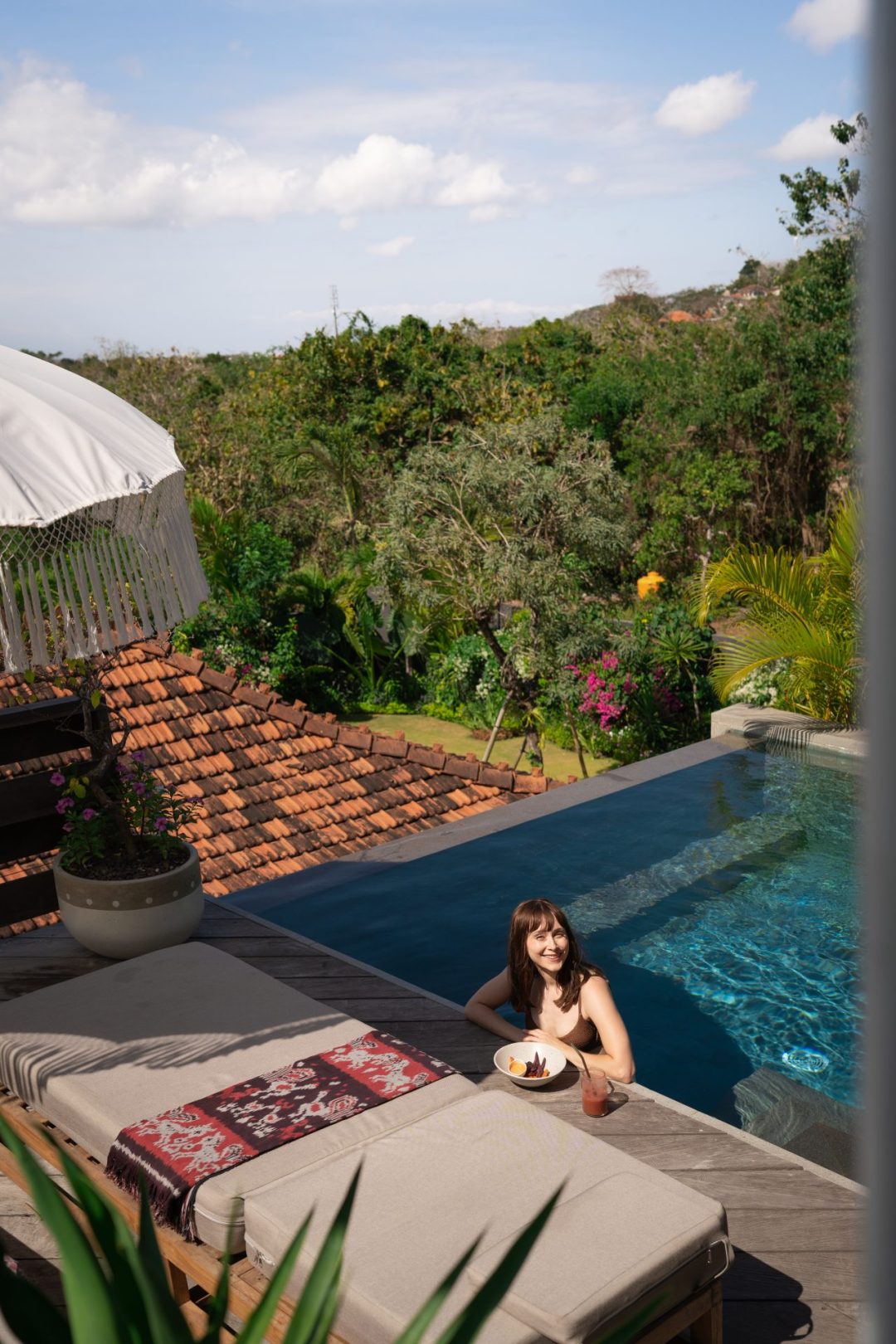
Bali shines when it comes to accommodation options. You can choose from cozy homestays, jungle lodges, boutique villas, and luxurious cliffside resorts. The range is enormous and suits every style of traveler. Some areas feel saturated with similar villa designs, but overall the choice is unmatched.
Sumba
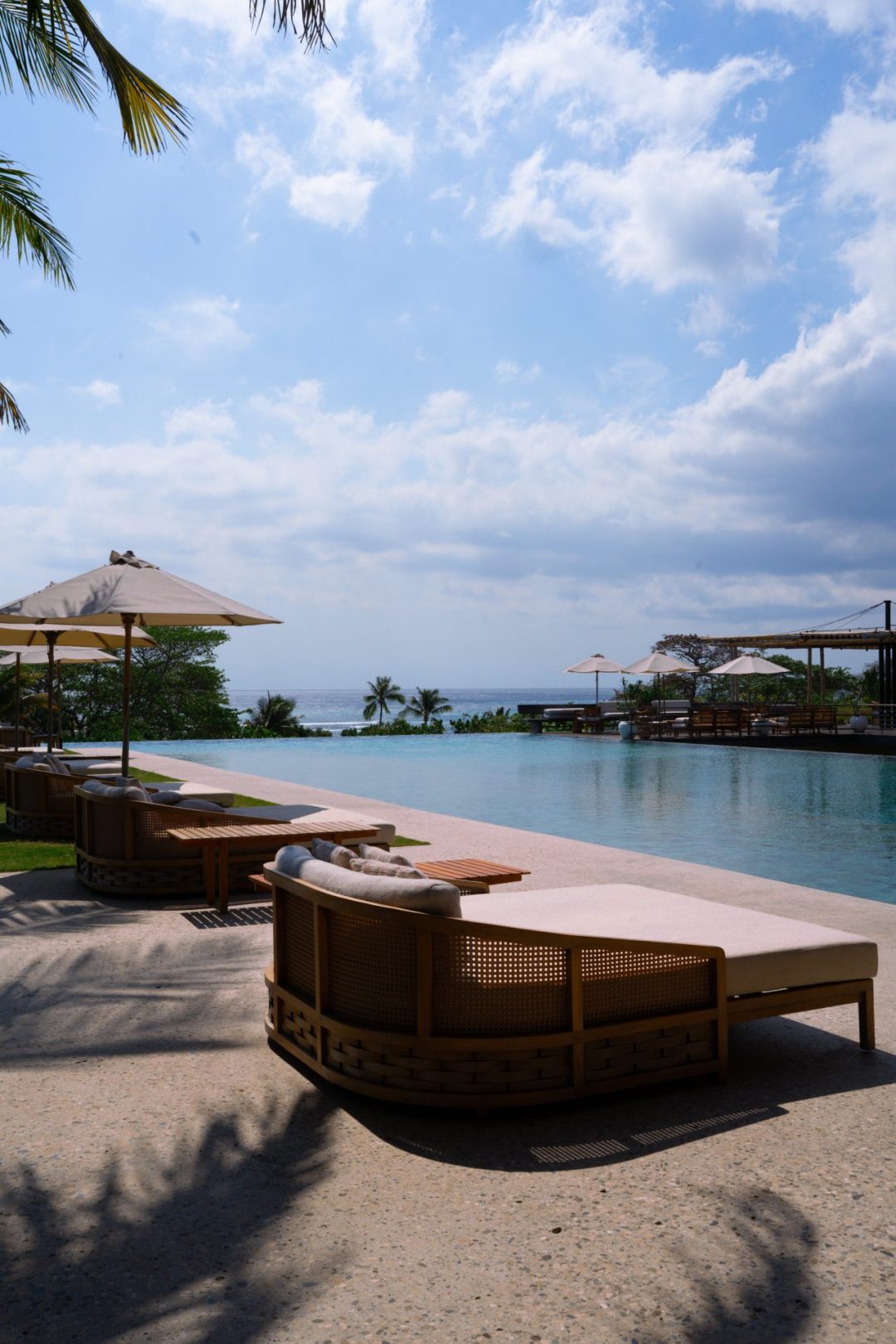
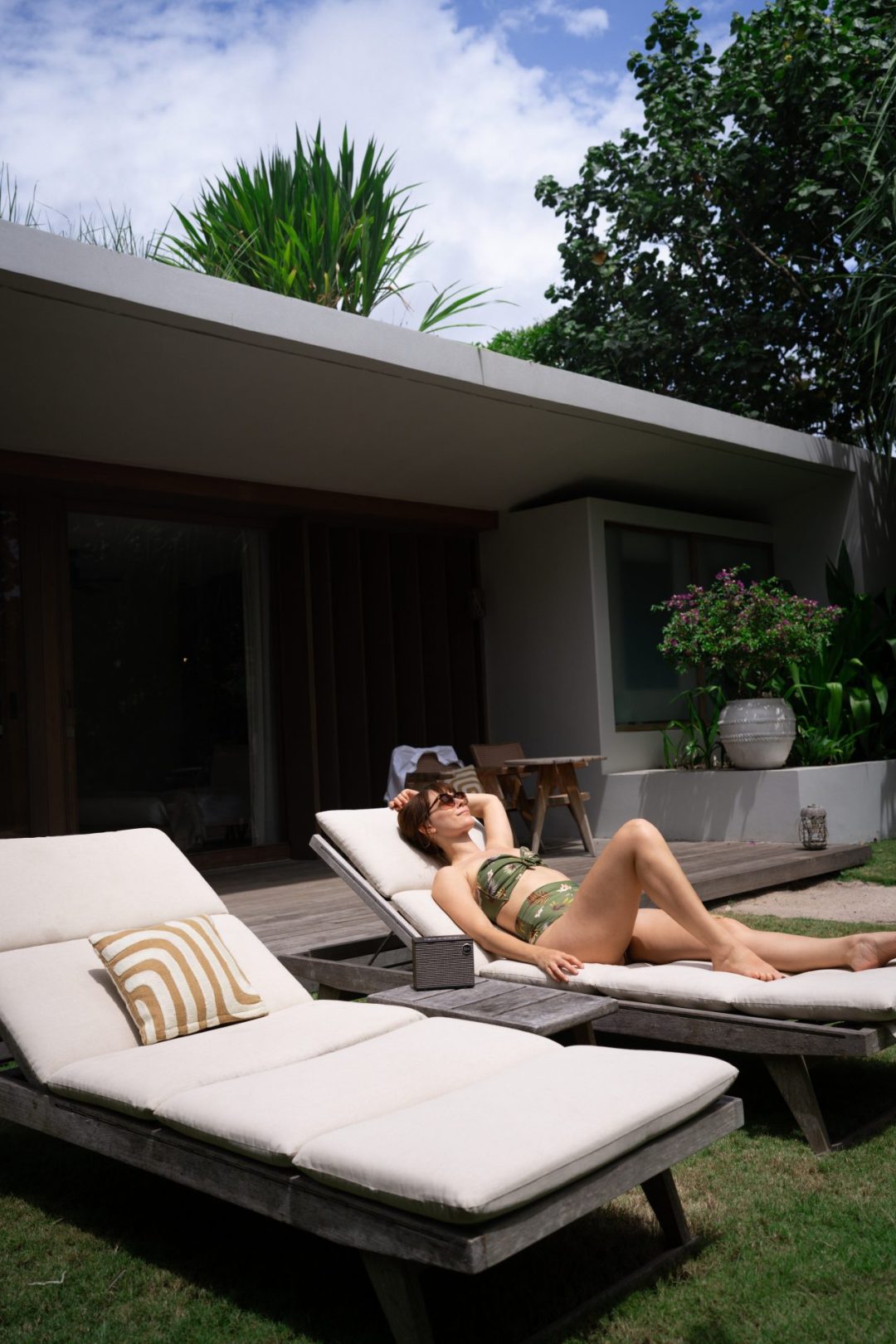
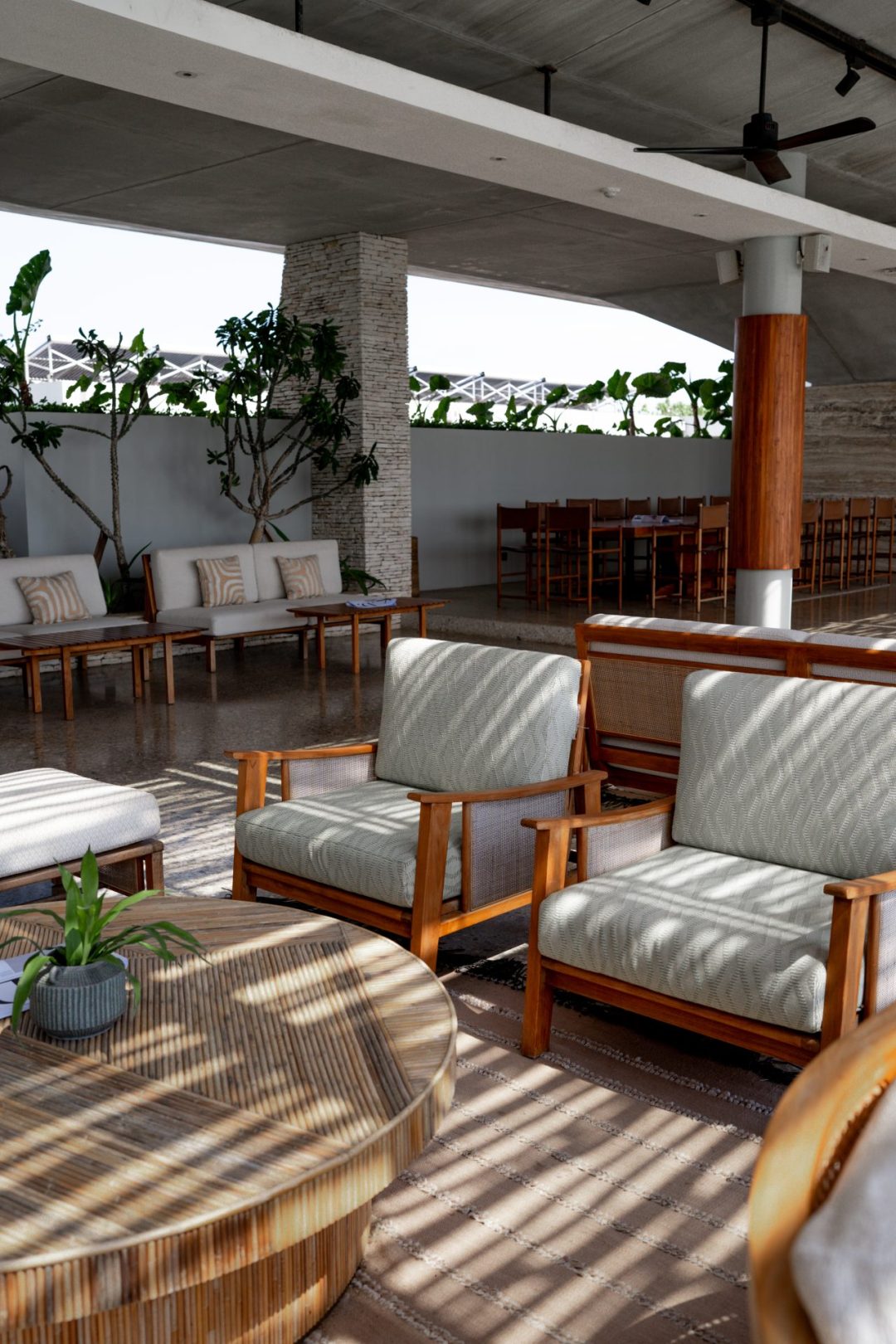
Sumba’s hotels are fewer, but the standout properties are unforgettable. Places like Cap Karoso, Nihi, and Cemara Beachfront Suites offer experiences that feel both thoughtful and unique. The limitation is quantity. Budget options are limited, and availability is narrower.
Winner: Bali
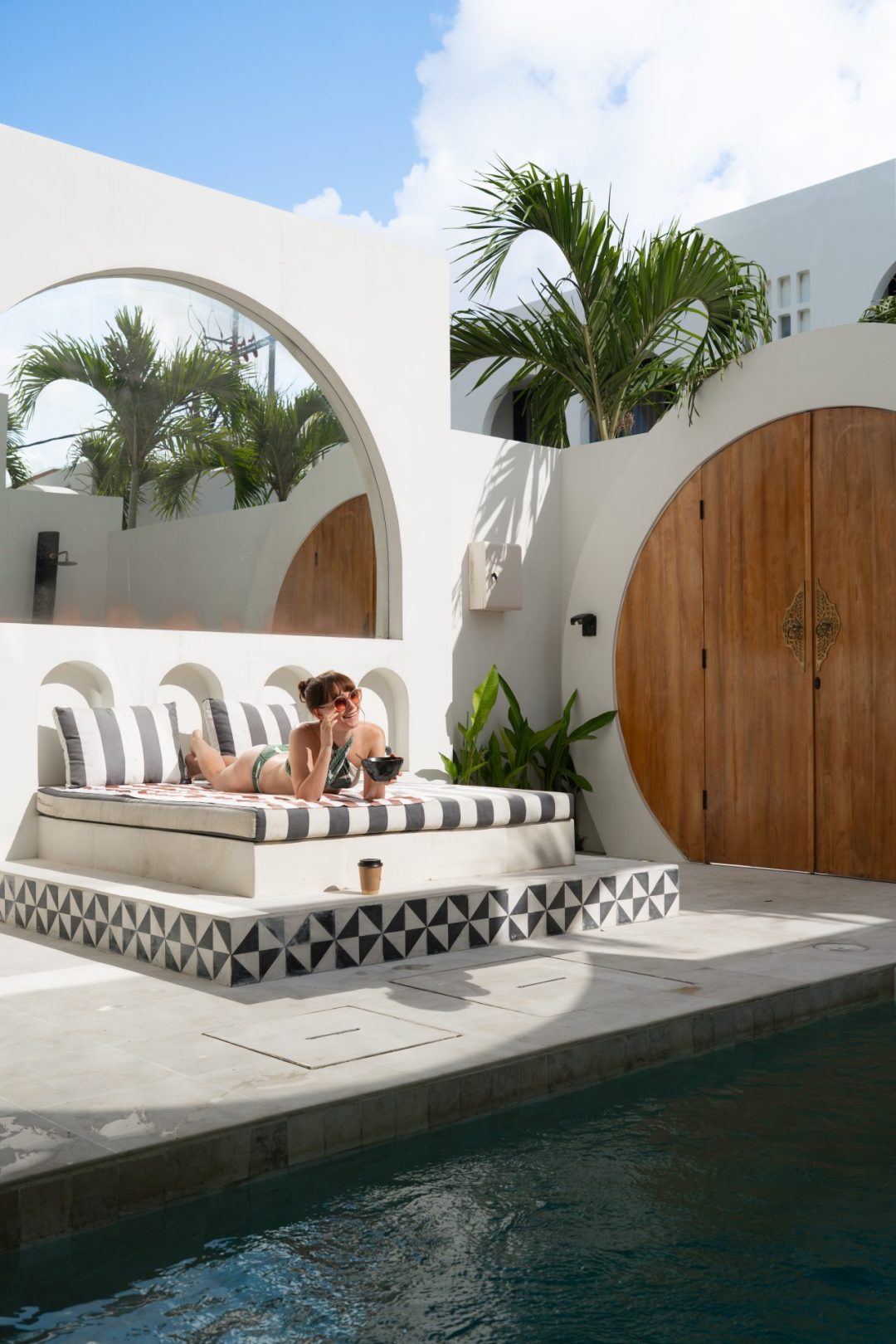
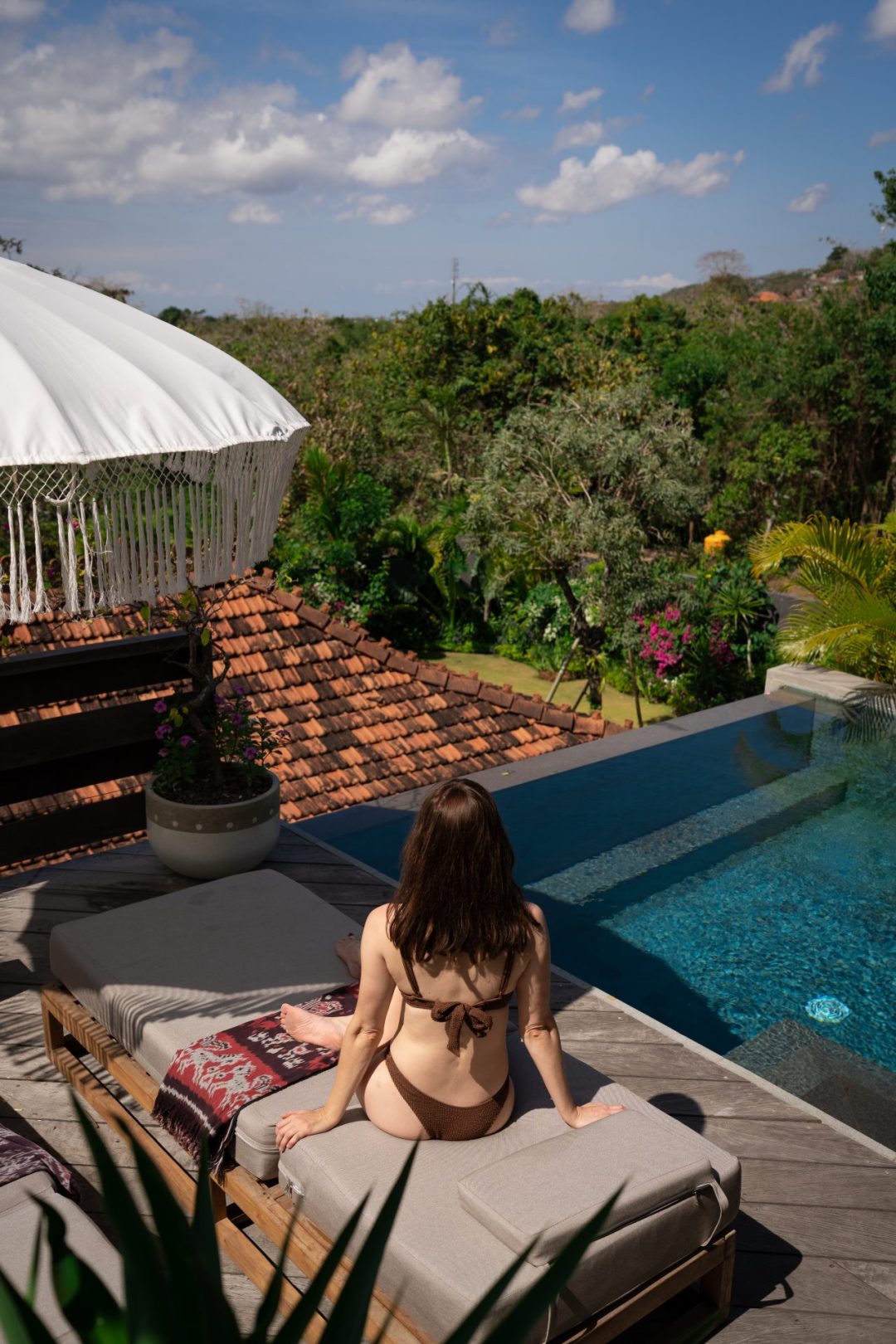
While I loved my accommodations in Sumba, if you want flexibility and options when choosing where to stay, Bali makes the decision easy.
Food Scene

Bali
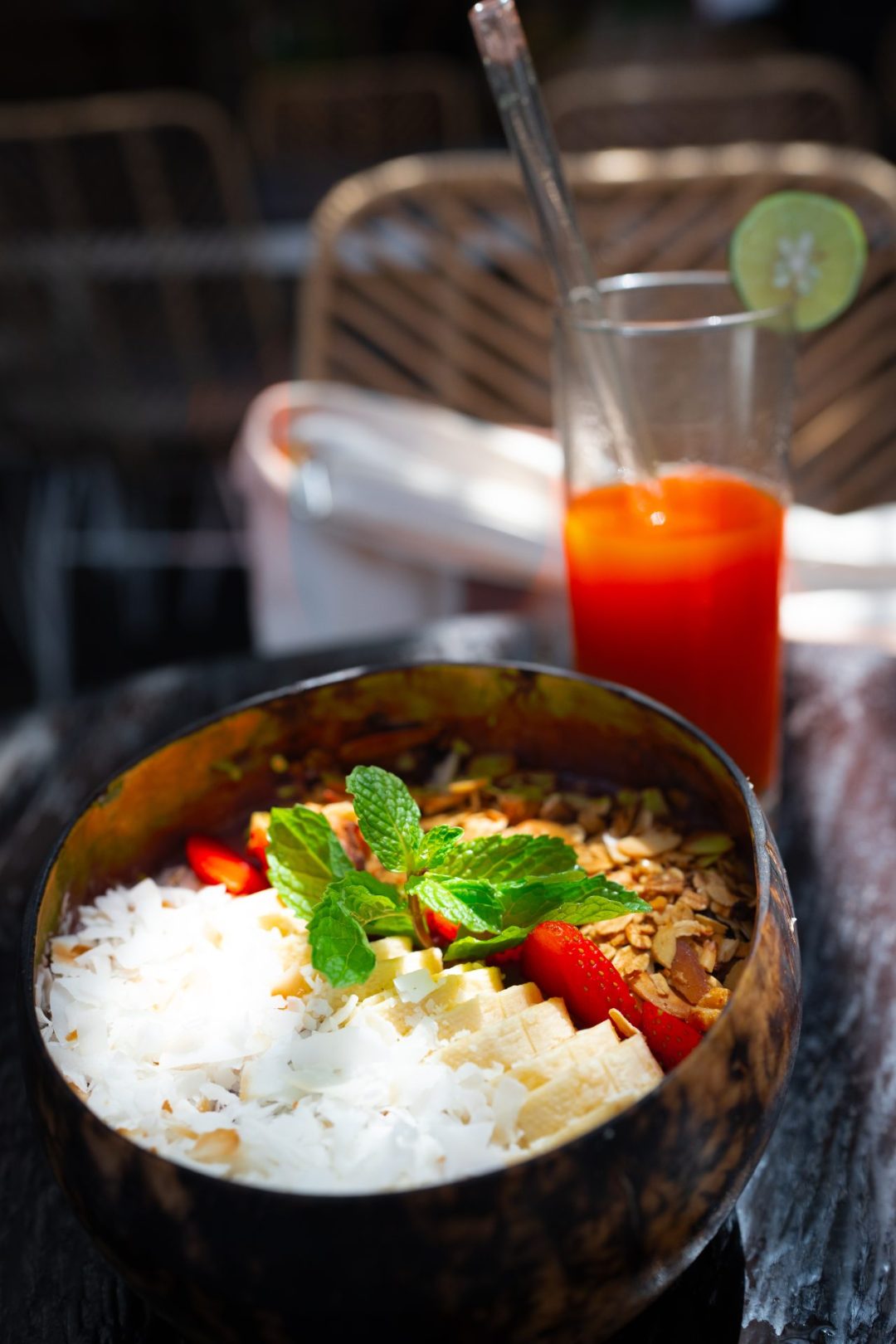
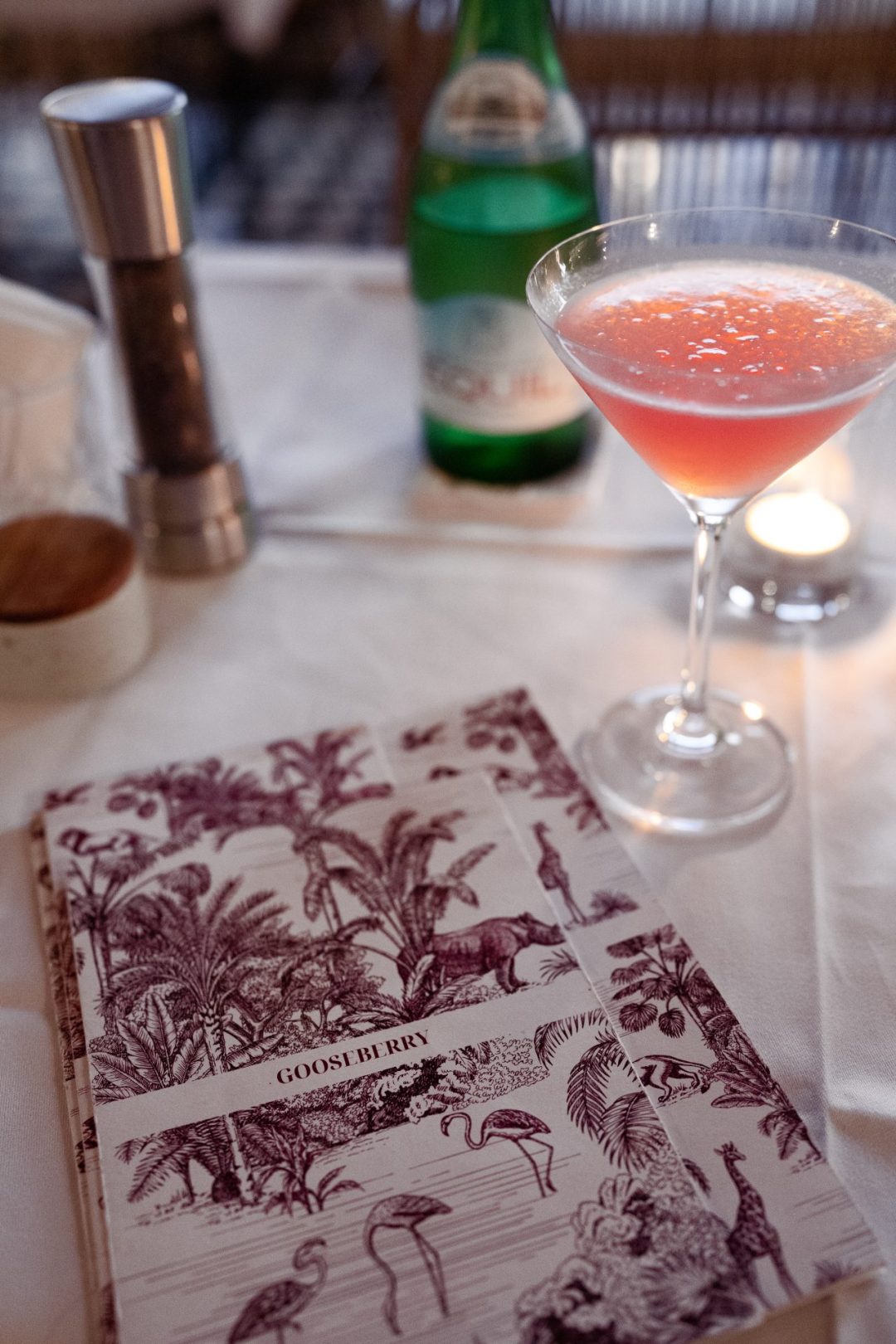
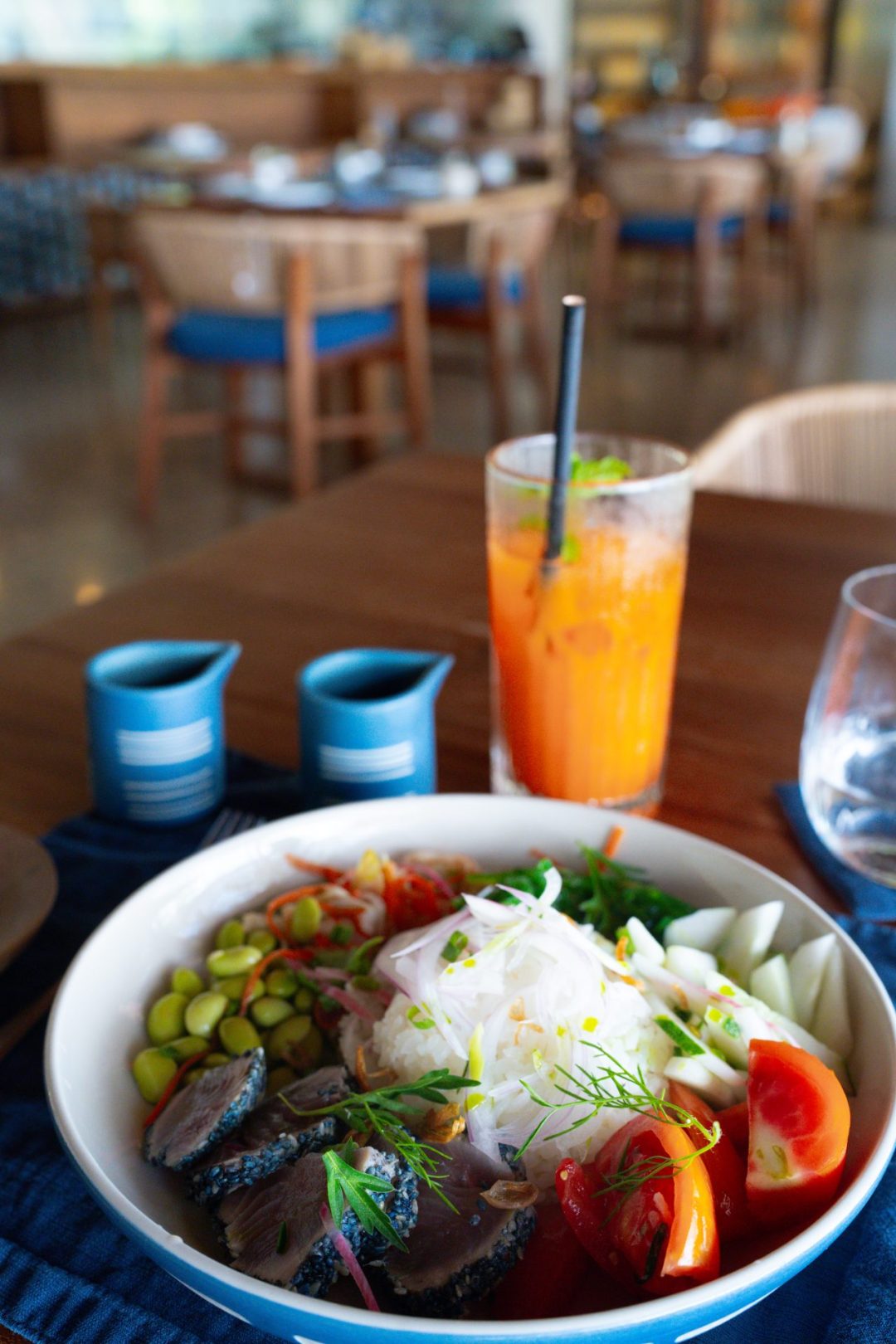
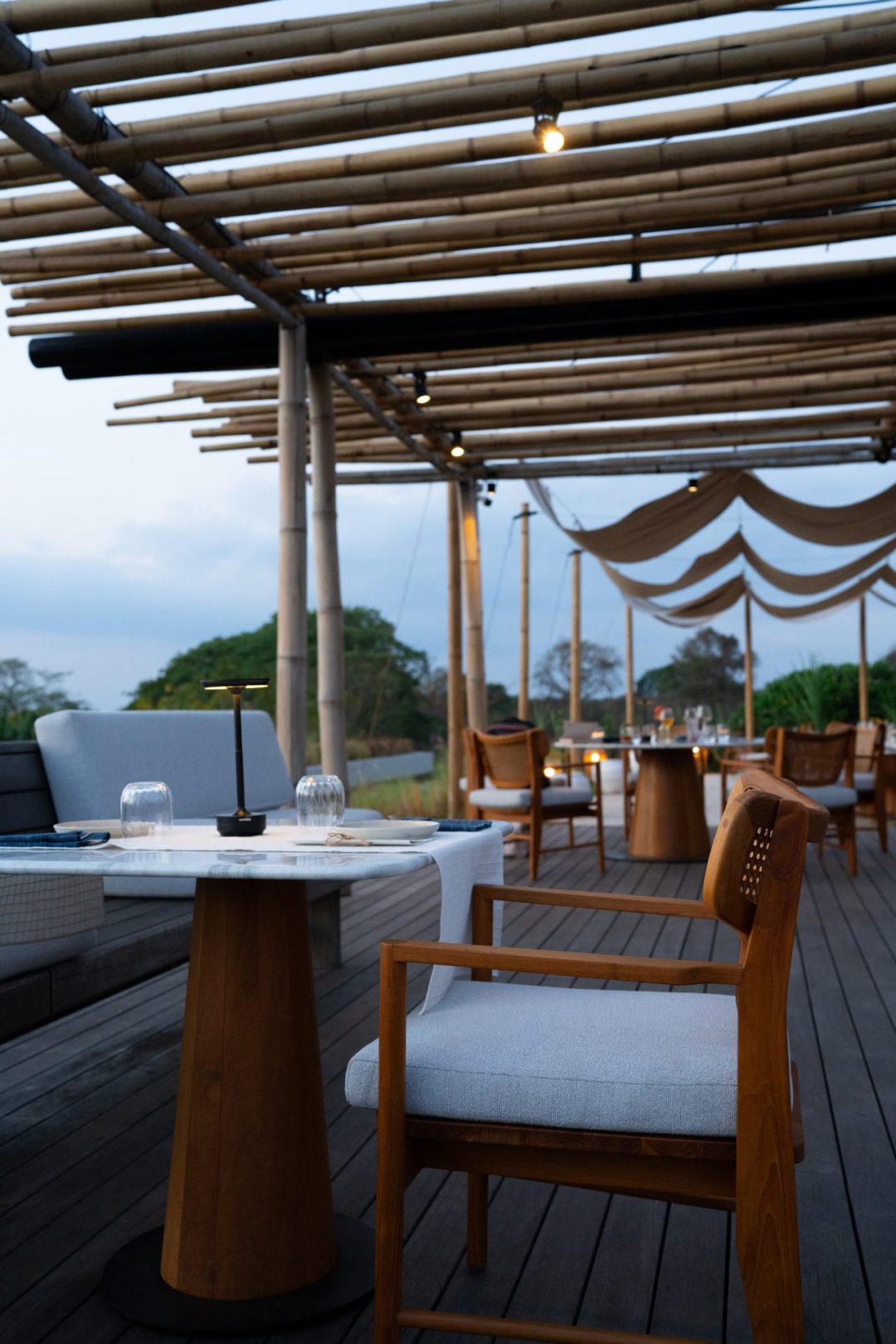
Bali has endless cafés and restaurants, but the flavor can be surprisingly mild in many tourist-heavy areas. A lot of dishes cater to Western palettes, so meals sometimes taste blander than you would expect from Indonesian cuisine. There is incredible variety, from smoothie bowls to tasting menus, but the execution can feel hit or miss. I also got a mild case of Bali Belly in Uluwatu, which made me more cautious for the rest of my stay!
Sumba
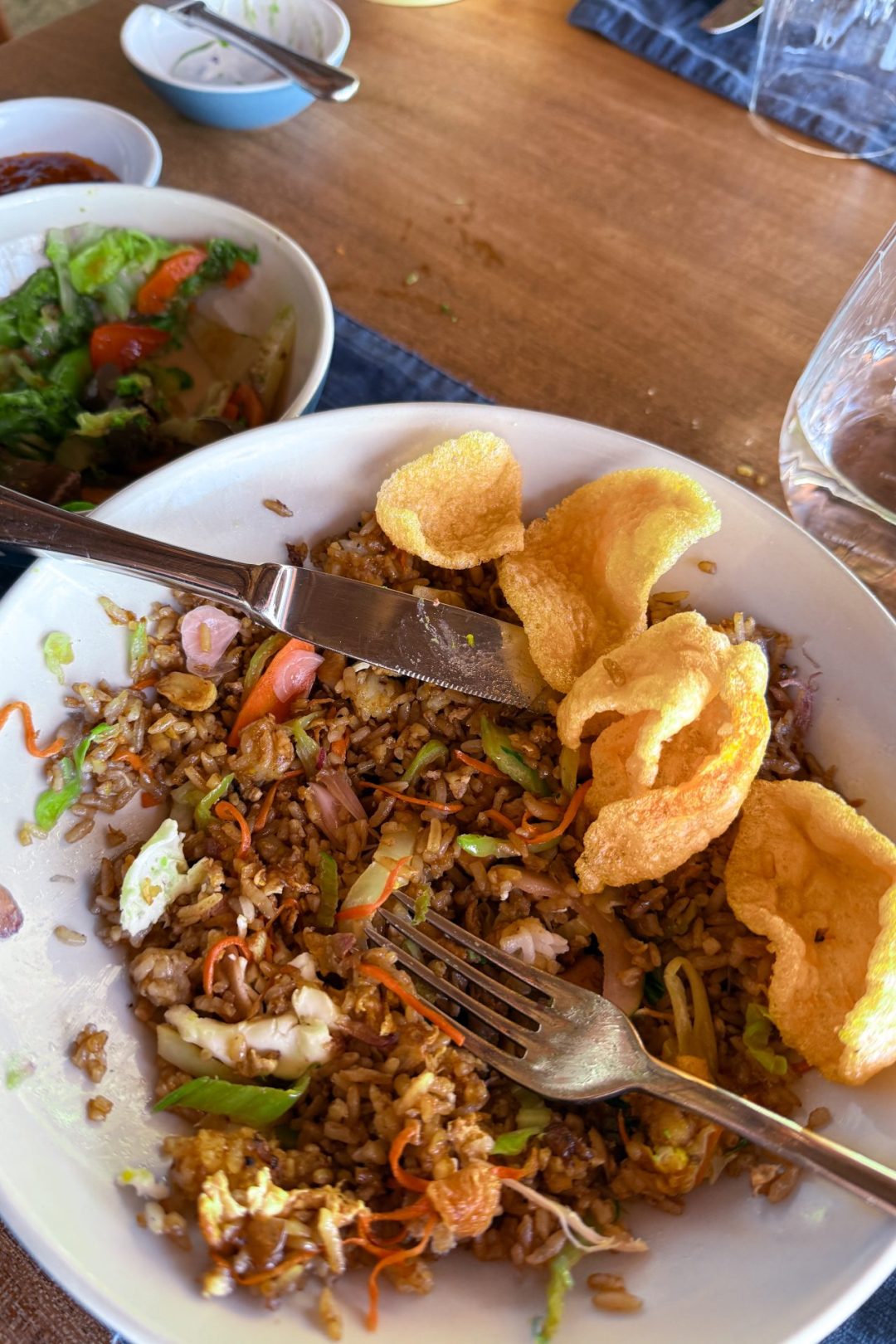
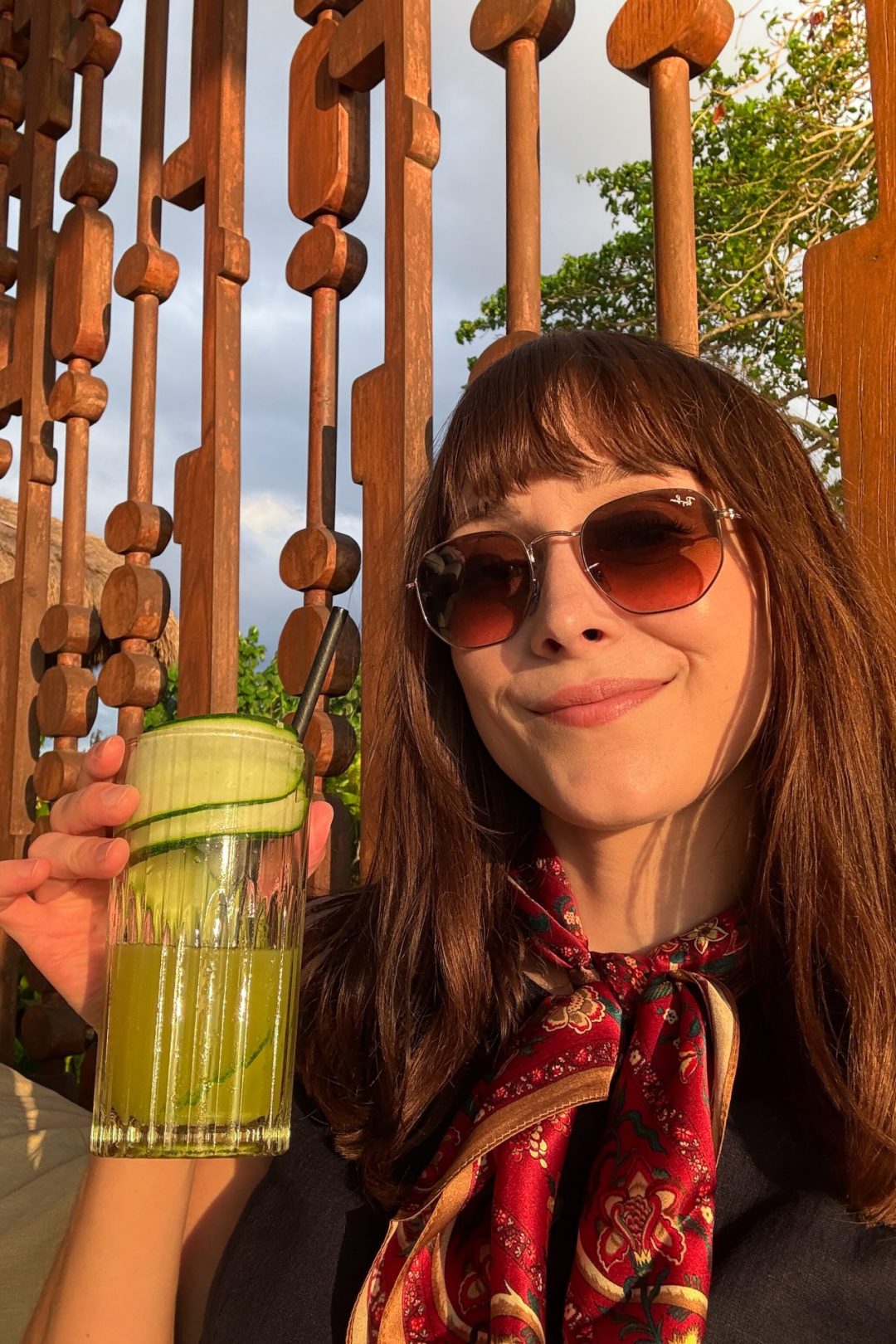

Sumba’s food scene is small, but the meals feel fresh, thoughtful, and full of flavor. Most dishes are prepared within hotels and resorts, and everything tasted clean and intentional. I never had stomach issues in Sumba, and allergy accommodations (which should be arranged before you arrive on the island) were handled with care. While you will not find Bali’s range of cafés or restaurants, the food you do get tends to be both tastier and more reliable.
Winner: Tied
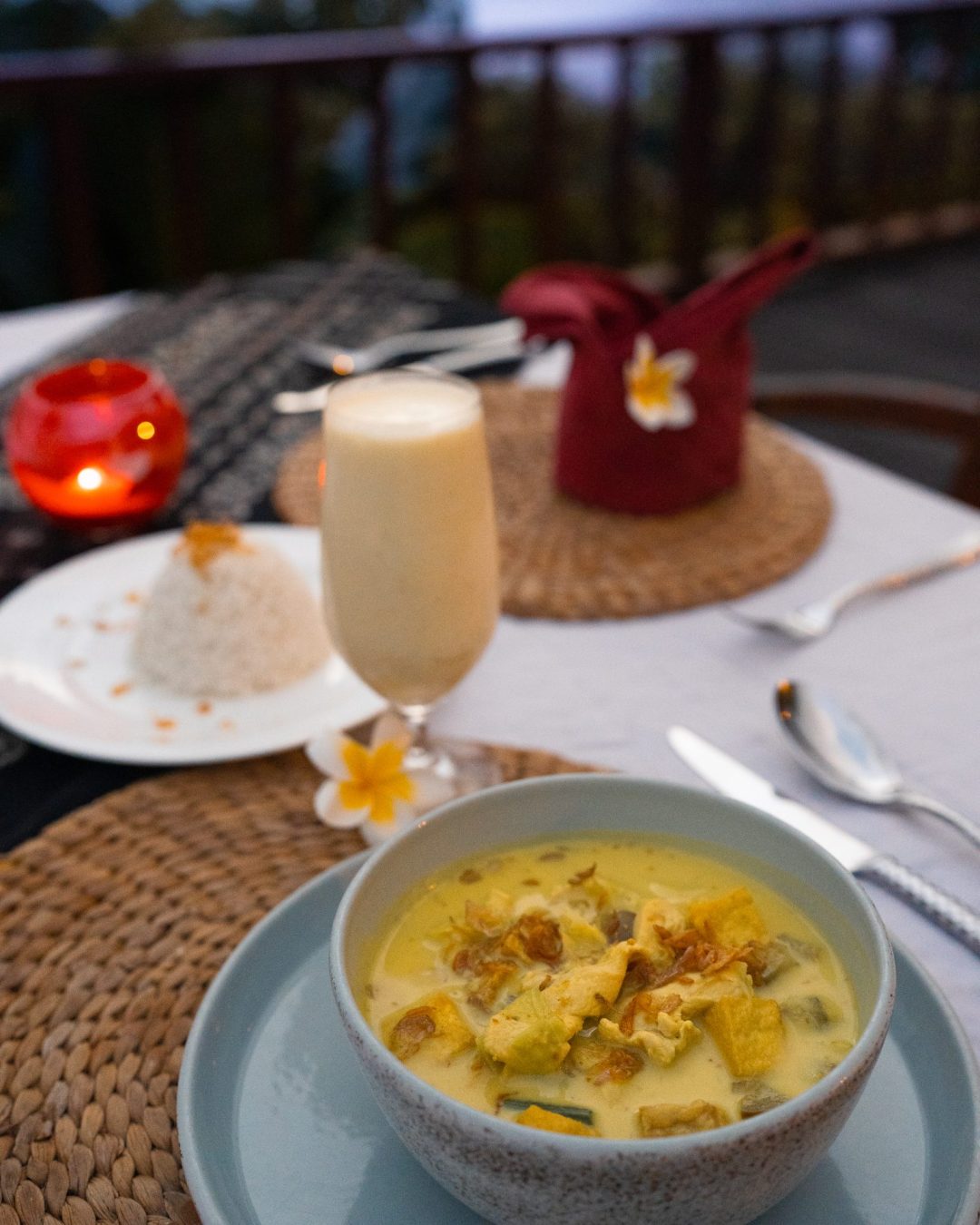
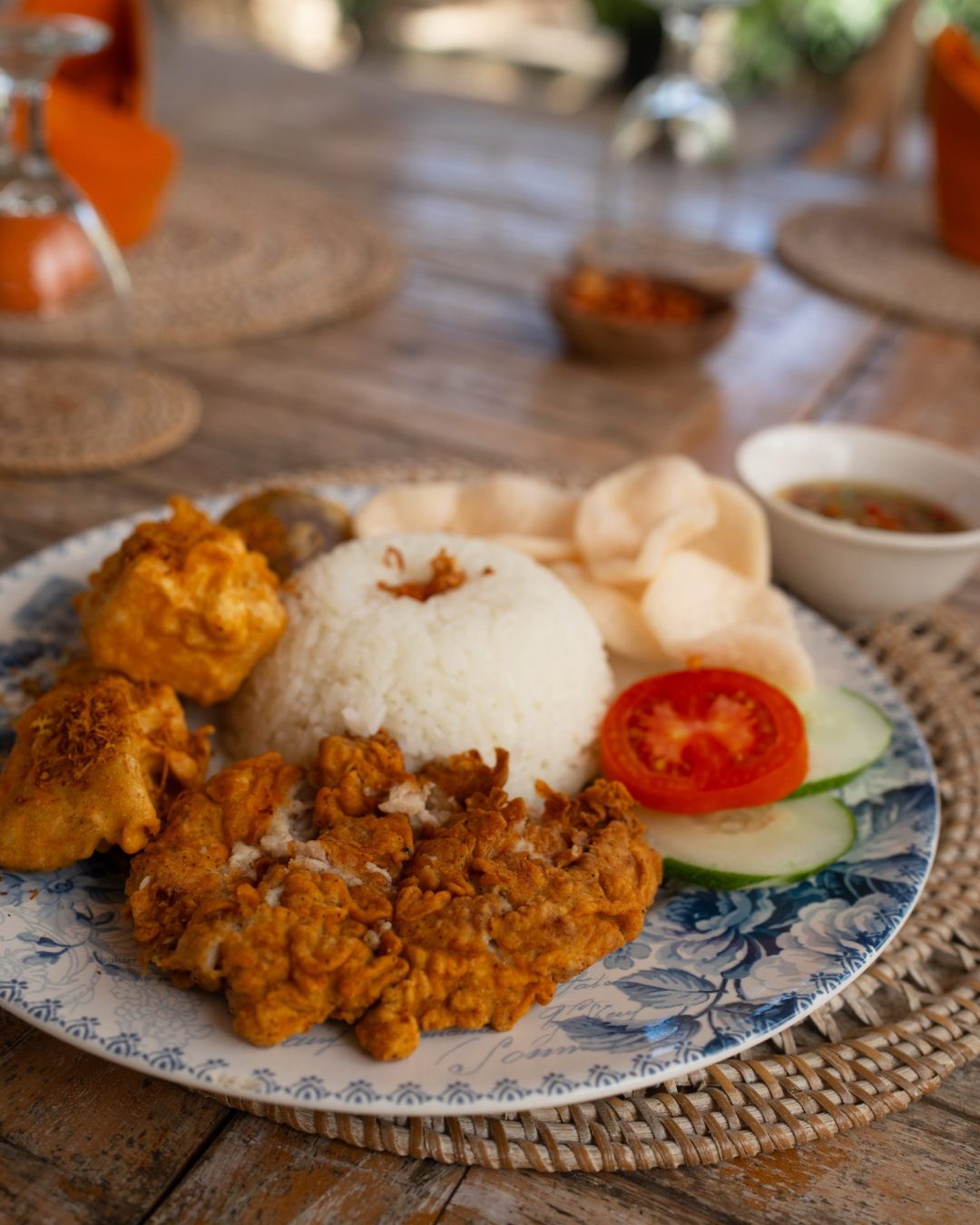
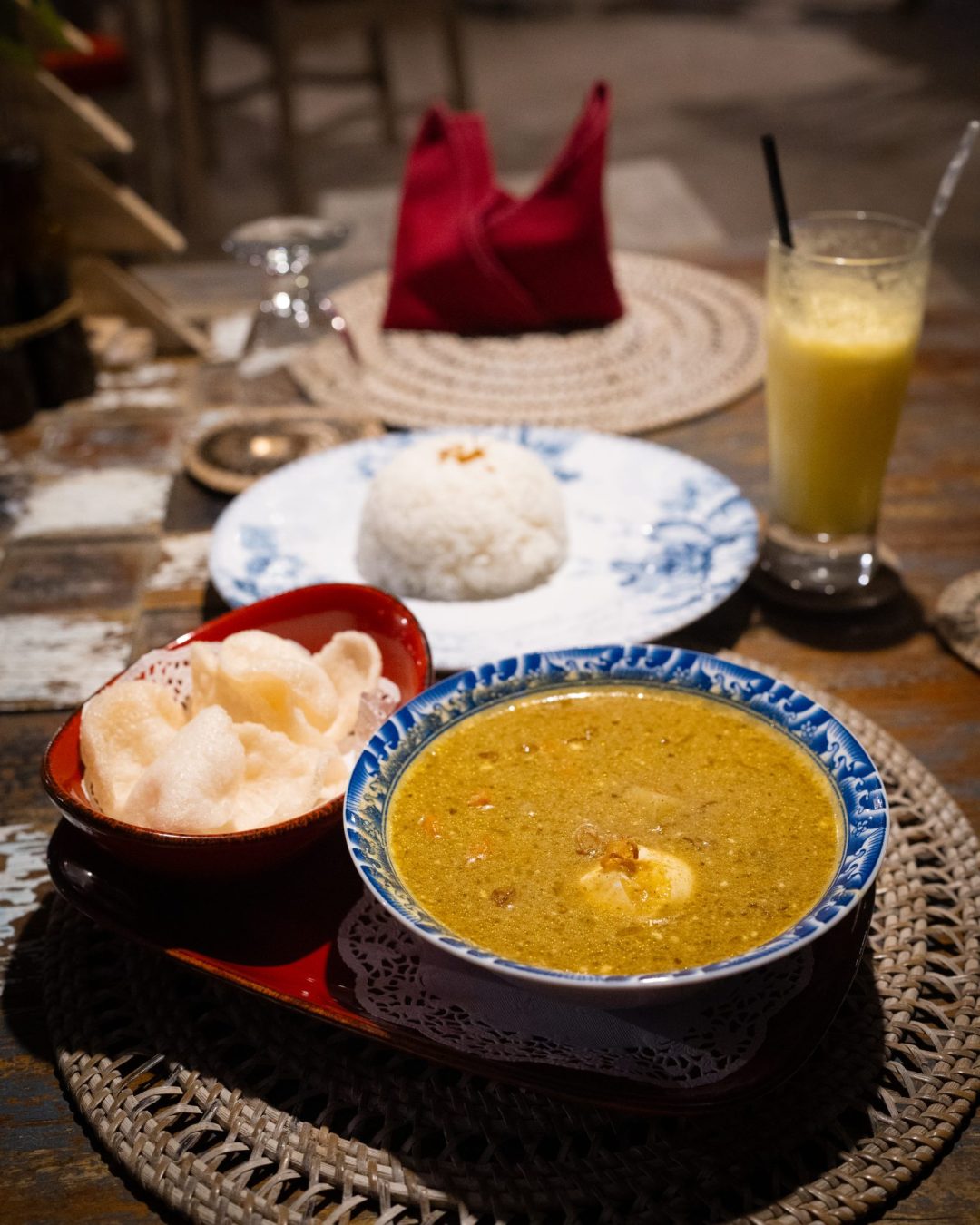
Bali wins for variety, creativity, and the sheer number of places to eat, but it often sacrifices flavor and consistency. Sumba delivers fewer options, but the meals are clean, flavorful, and thoughtfully prepared. It ultimately depends on what matters more to you: endless choice or reliably good food.
Animal Encounters

Bali

Animal encounters in Bali tend to be unavoidable, especially with the large monkey populations around temples, forest areas, and even some roads. They are bold, used to tourists, and will not hesitate to grab sunglasses, hats, water bottles, or anything they can reach. It can be entertaining at first, but the interactions often feel chaotic rather than charming (I even ended up stuck inside my villa for a while waiting for a few monkeys to get far enough away to safely exit!). There are ethical sanctuaries on the island, but many animal experiences end up feeling crowded or overly tourist-focused.
Sumba

Sumba’s wildlife feels much more natural and peaceful. There are monkeys here too, but they are shy and usually keep a good distance from humans, which means you may not even spot them unless you are looking carefully. Horses wander freely across beaches, buffalo graze in village fields, and chickens and dogs cut right across the road. None of it feels arranged or forced, and the quietness of the island makes these moments feel more special.
Winner: Sumba
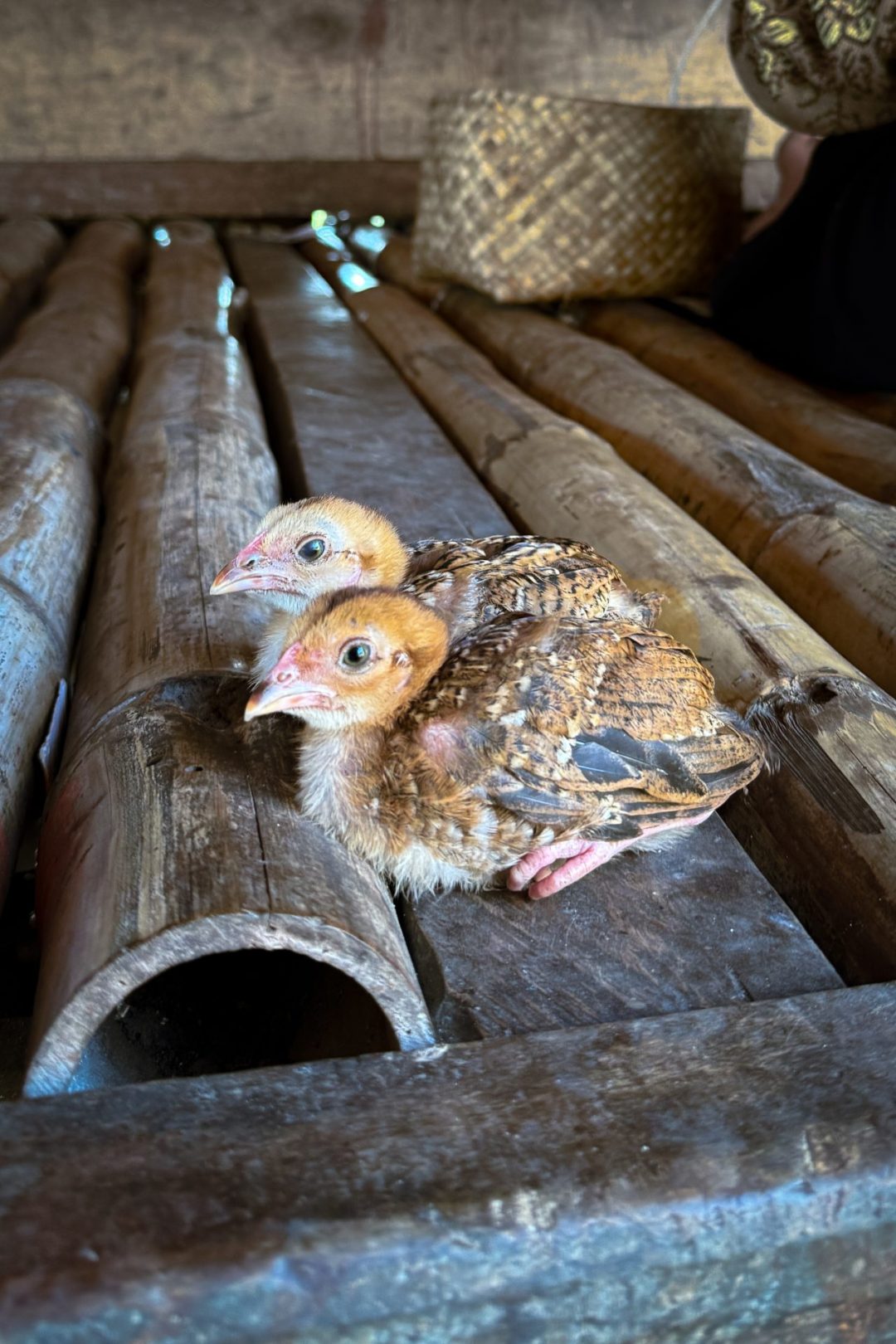

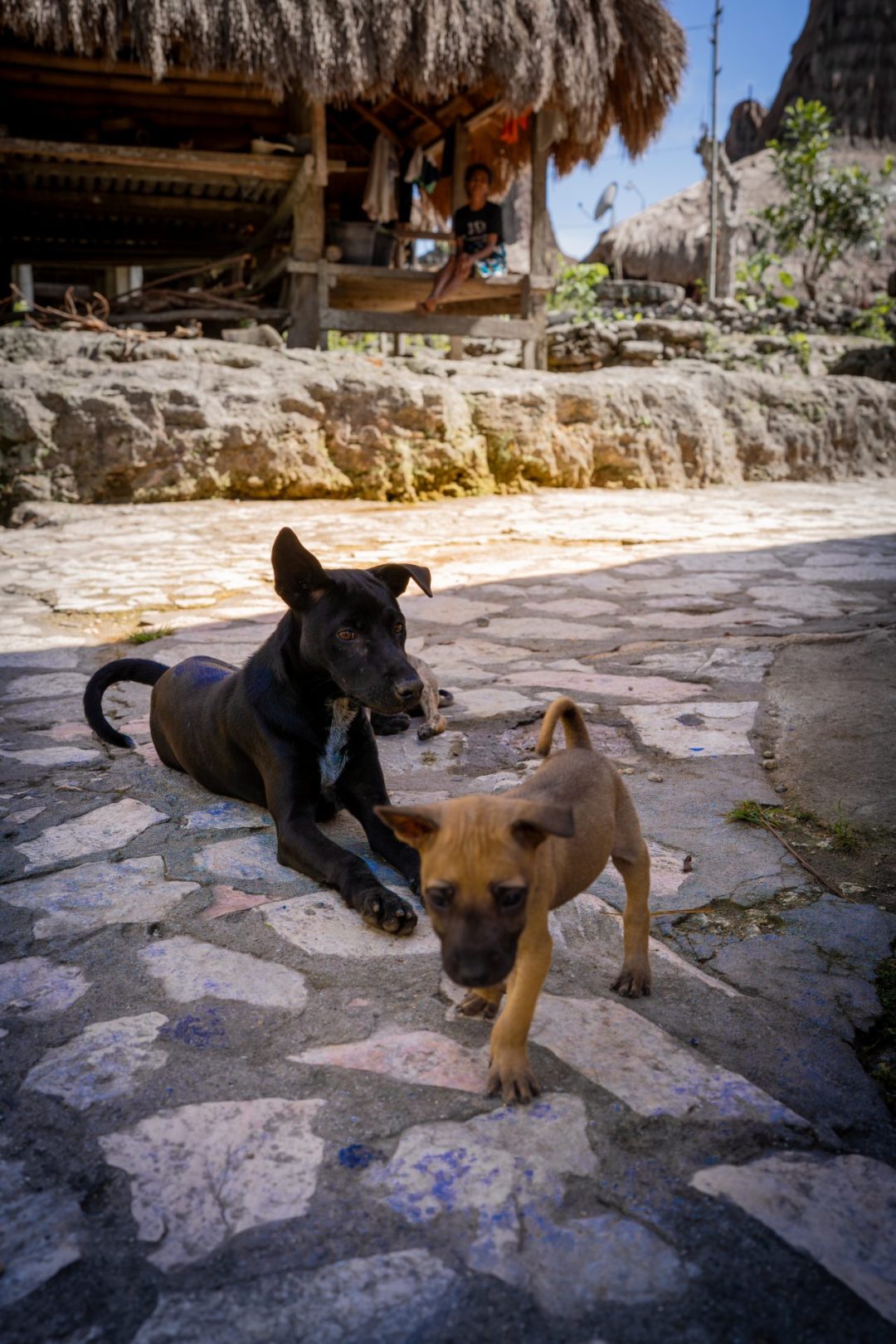
Sumba offers wildlife encounters that feel organic and unobtrusive, without the stress or unpredictability that often comes with Bali’s monkey-heavy areas. If you prefer peaceful moments with nature rather than chaotic ones, Sumba is the better fit.
Final Verdict: Bali or Sumba
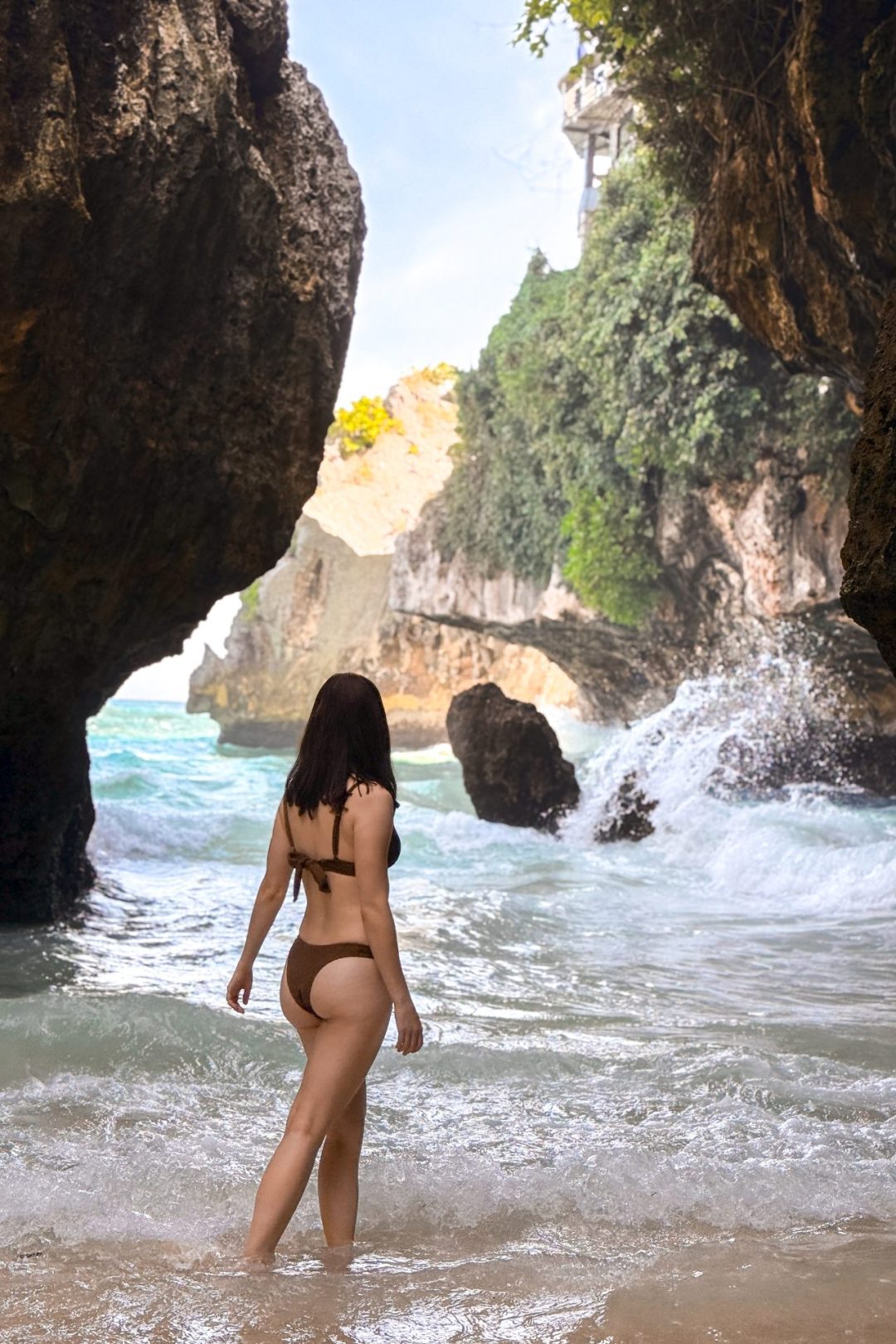
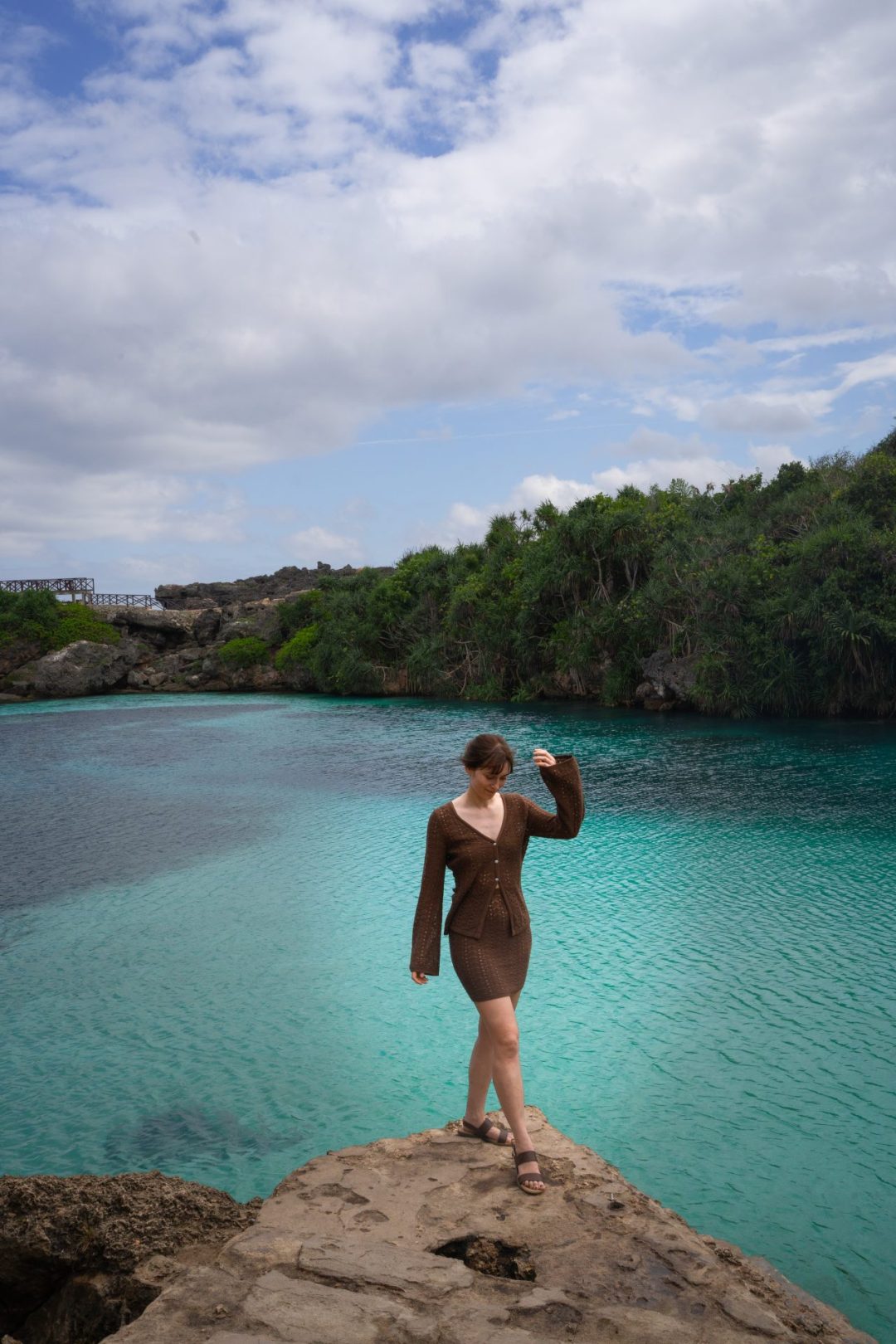
After experiencing both islands, my honest answer is this: if you can only visit one, choose Sumba.
Bali is lively, convenient, and full of variety, and it remains a great introduction to Indonesia. But Sumba offers something far more rare. The landscapes feel untouched, the beaches are quiet and cinematic, the cultural moments are personal, and even the food feels cleaner and more carefully made.
And the best part about choosing Sumba is that you do not have to skip Bali entirely. Because flights into Sumba are limited, most travelers will naturally spend a day or two in Bali on the way. It is the perfect sampler, while Sumba becomes the main event.
If you want a trip that feels unique, meaningful, and a little more adventurous, Sumba is the island that will give you an experience you will not find anywhere else.