Why You Should Visit The Grand Canyon in Winter
Let me paint you a picture: you’re standing at the edge of one of the most photographed places on earth, and instead of shoulder-to-shoulder crowds, it’s just you and maybe a handful of other visitors max. Then a cloud rolls in and swallows the whole thing whole, before rolling back out. It’s even more magical than the postcard version you’ve seen in books or online.
I explored the Grand Canyon over two full days in February: one day was completely rainy, overcast, and cloud-filled and the other was crisp, blue, and clear. And I wouldn’t change that experience for anything!Here’s why the Grand Canyon in winter deserves way more credit than it gets.
Fewer Crowds
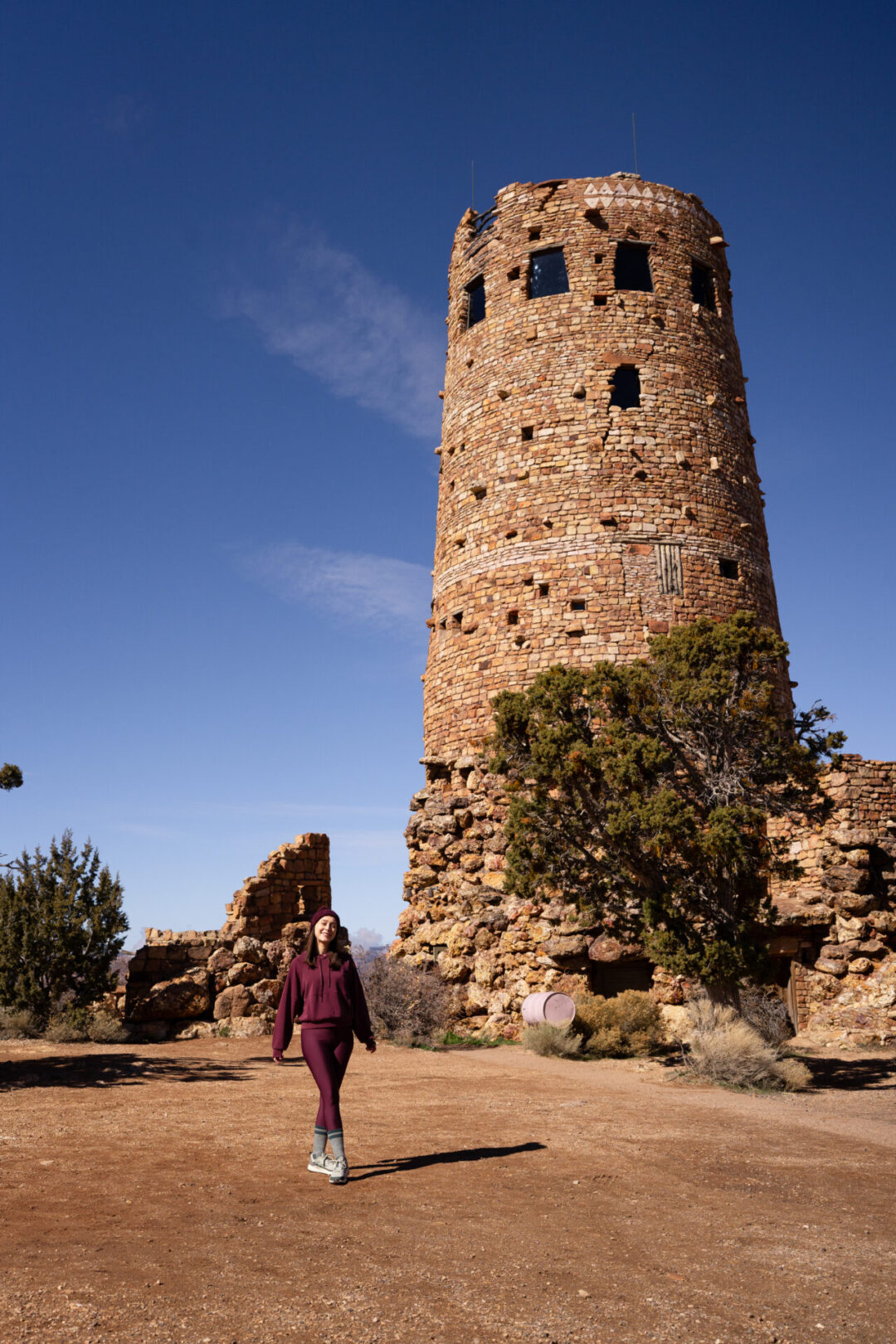
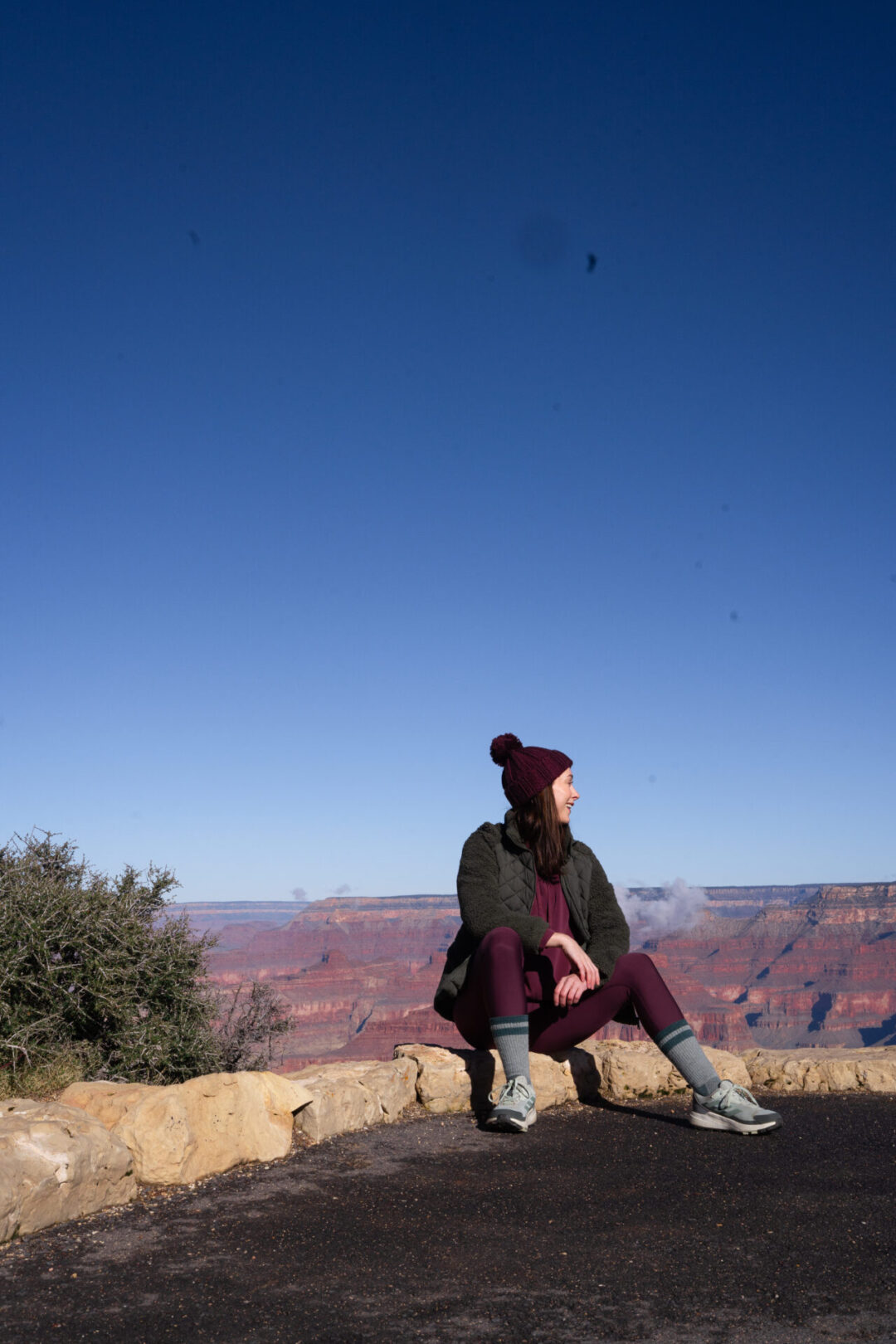
According to the National Park Service, winter brings fewer than 10% of the Grand Canyon’s annual visitors to the South Rim! Read that again. If you’ve ever tried to find a parking spot at a national park in July or jostled for position at a viewpoint just to get a clear photo, that number should be all the convincing you need.
And what does this actually looks like in real life? Walking straight to viewpoints with room to breathe! Driving Hermit Road in your own car and only having to stop by the sights you’d like to see (the road is only open to personal vehicles in winter, the rest of the year you have to take a shuttle with pre-designated stops). Booking a table at the El Tovar Dining Room… without needing to plan weeks in advance. Heck, I made a lunch reservation there the week prior and was seated immediately, with tons of still available tables around us!
(More) Comfortable Weather
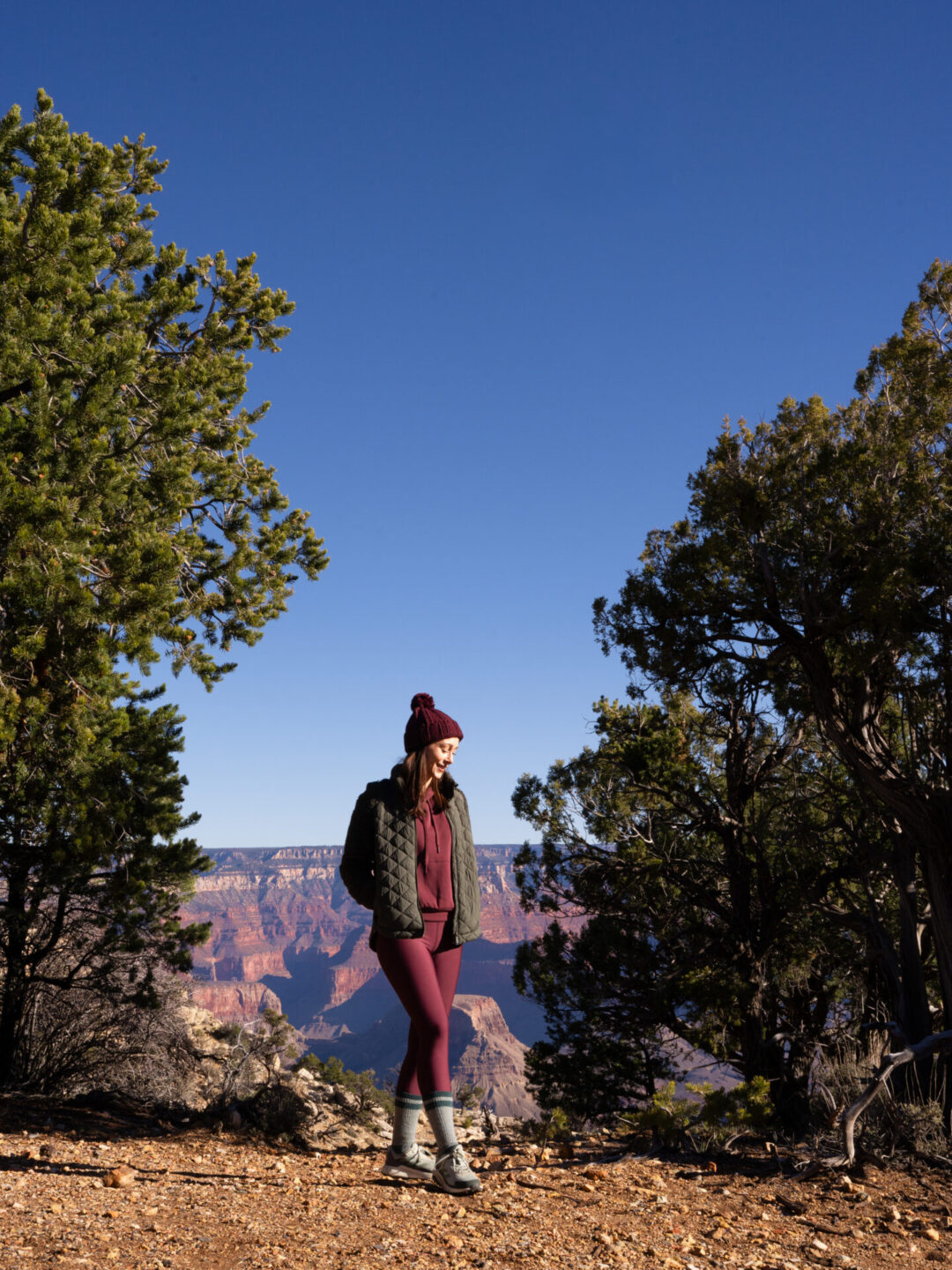
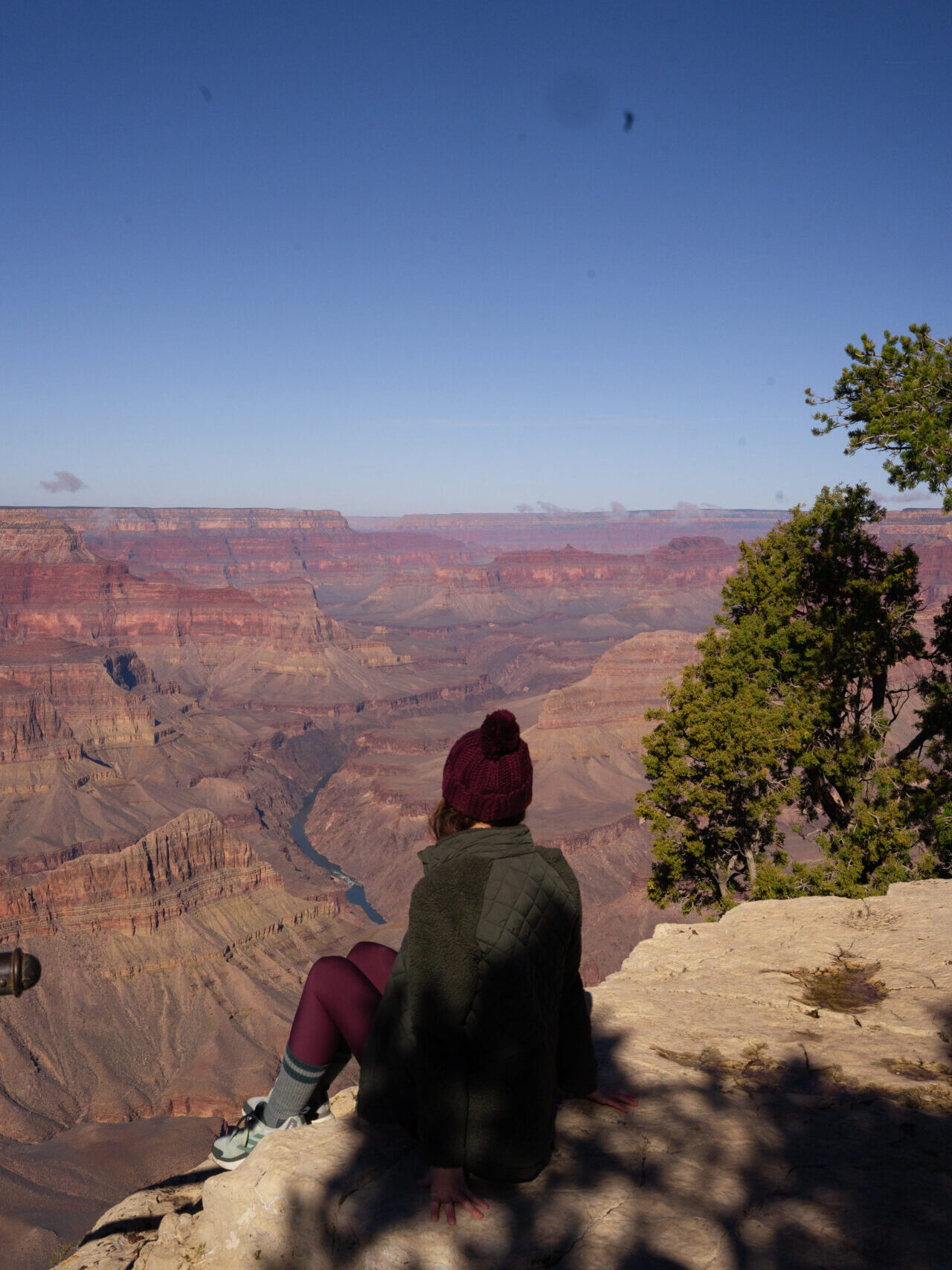
Now I could easily tell you that the Grand Canyon’s winter weather is perfectly comfortable and leave it at that, but I don’t think that’s actually useful to hear when planning a trip. Winter in the Grand Canyon does in fact receive quite a bit of rain and snow, and considering this is primarily an outdoors destination, well, it’s not always that comfortable.
That said, compared to walking around outdoors in the blistering heat of an Arizona summer without many (if any!) trees in sight, the chance for rain and snow doesn’t sound half bad. In fact, it rained for most of the first day that I visited. And yes, while there were a few rather annoying pouring spells, the weather was for the most part, a comfortable light drizzle or an easy cloudy overcast. And I don’t know about you, but I’d gladly take that any day over the idea of walking through a fiery oven and fighting sticky and sweaty travelers for a great view.
And while you may argue that’s just my personal preference, which would be a valid point, the practical reality is that the South Rim is open year-round. While many other national parks have quite few seasonal winter closures, the weather is not as much of an obstacle here people assume it is. The main roads are generally clear and arriving in a hooded jacket and layers will carry you through most of what winter throws at you.
Otherworldly Views
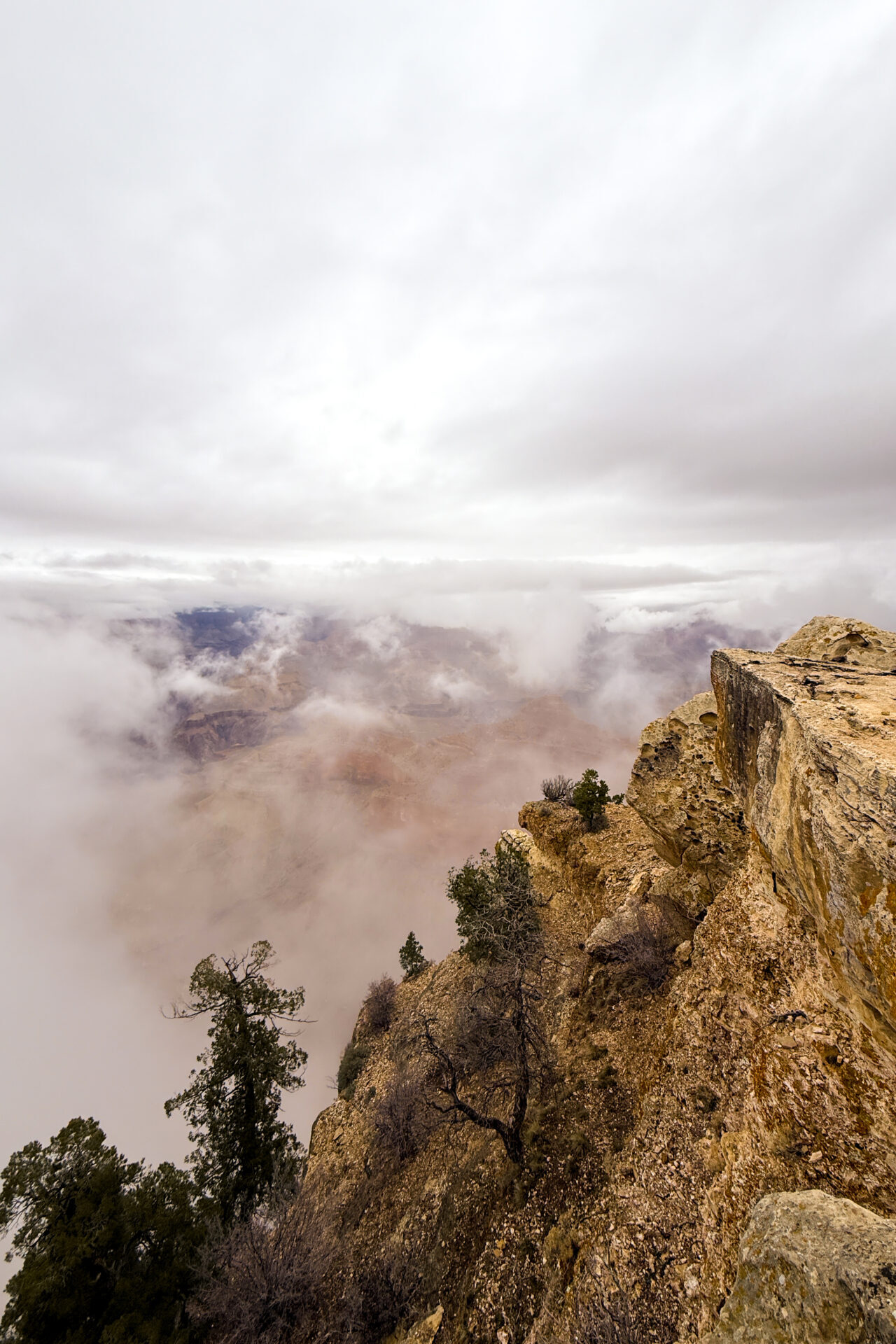
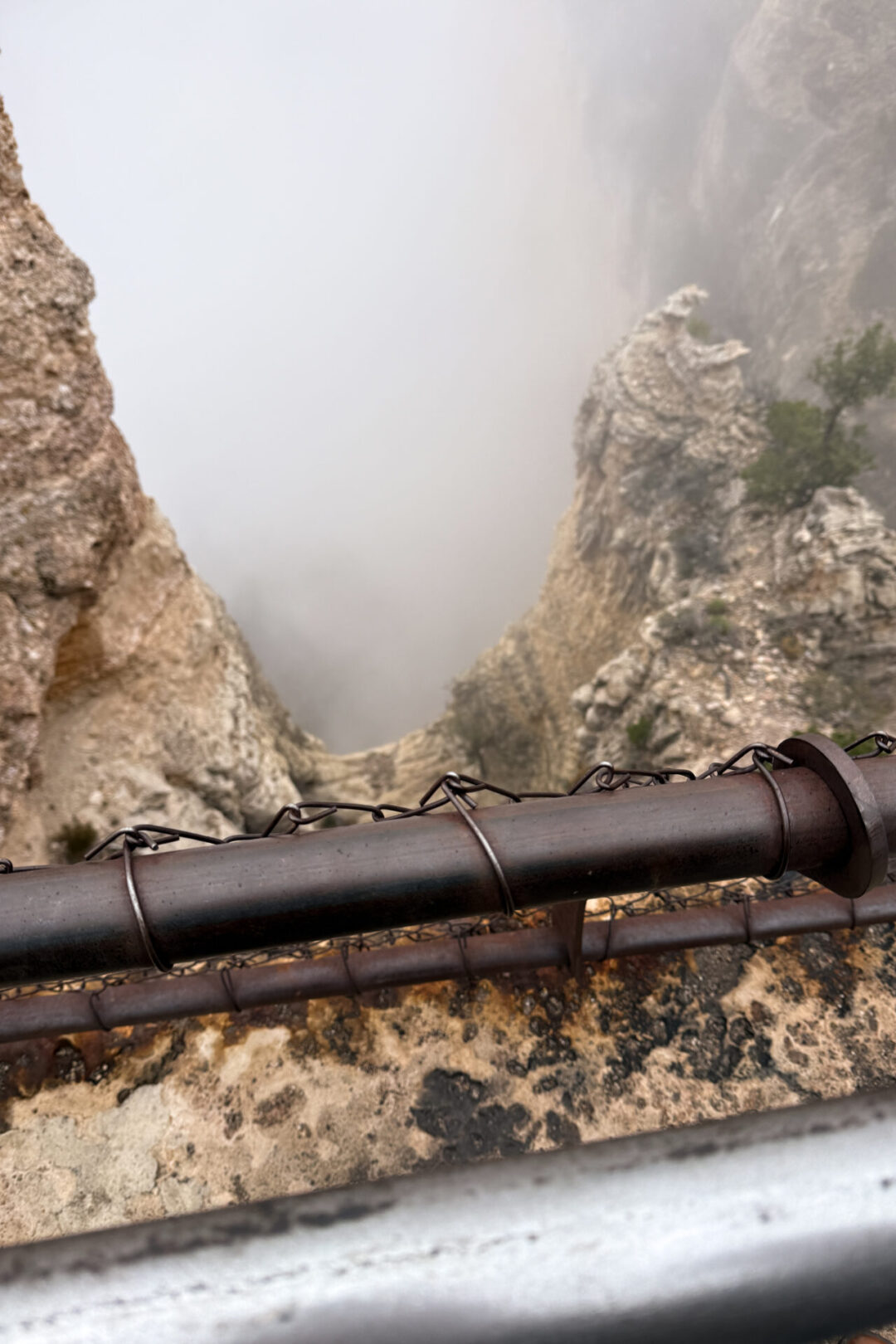
Before visiting, I felt like every photo I’d ever seen of the Grand Canyon was taken on a clear, blue sky day. Golden hour light, perfect visibility, that iconic terracotta palette stretching to the horizon. And don’t get me wrong, those photos… those scenes… they are stunning. They’re also everywhere!
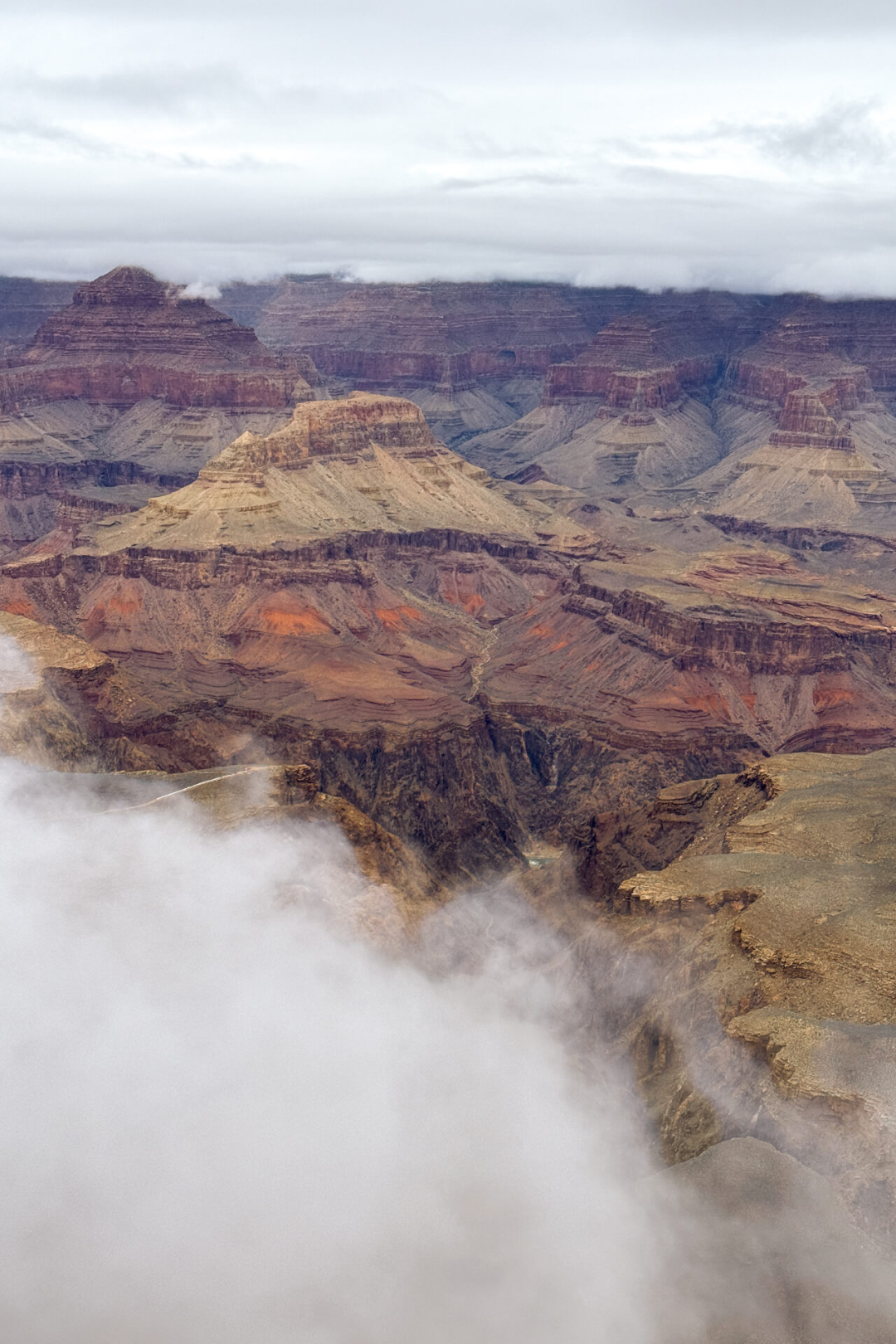
What you typically won’t find in your Instagram feed is how the park can also look in winter. Yes, sometimes you’ll still get those same clear, blue sky days, but winter can also bring clouds, rain, and snow, allowing you to experience how the weather moves through the canyon like weather systems in miniature.
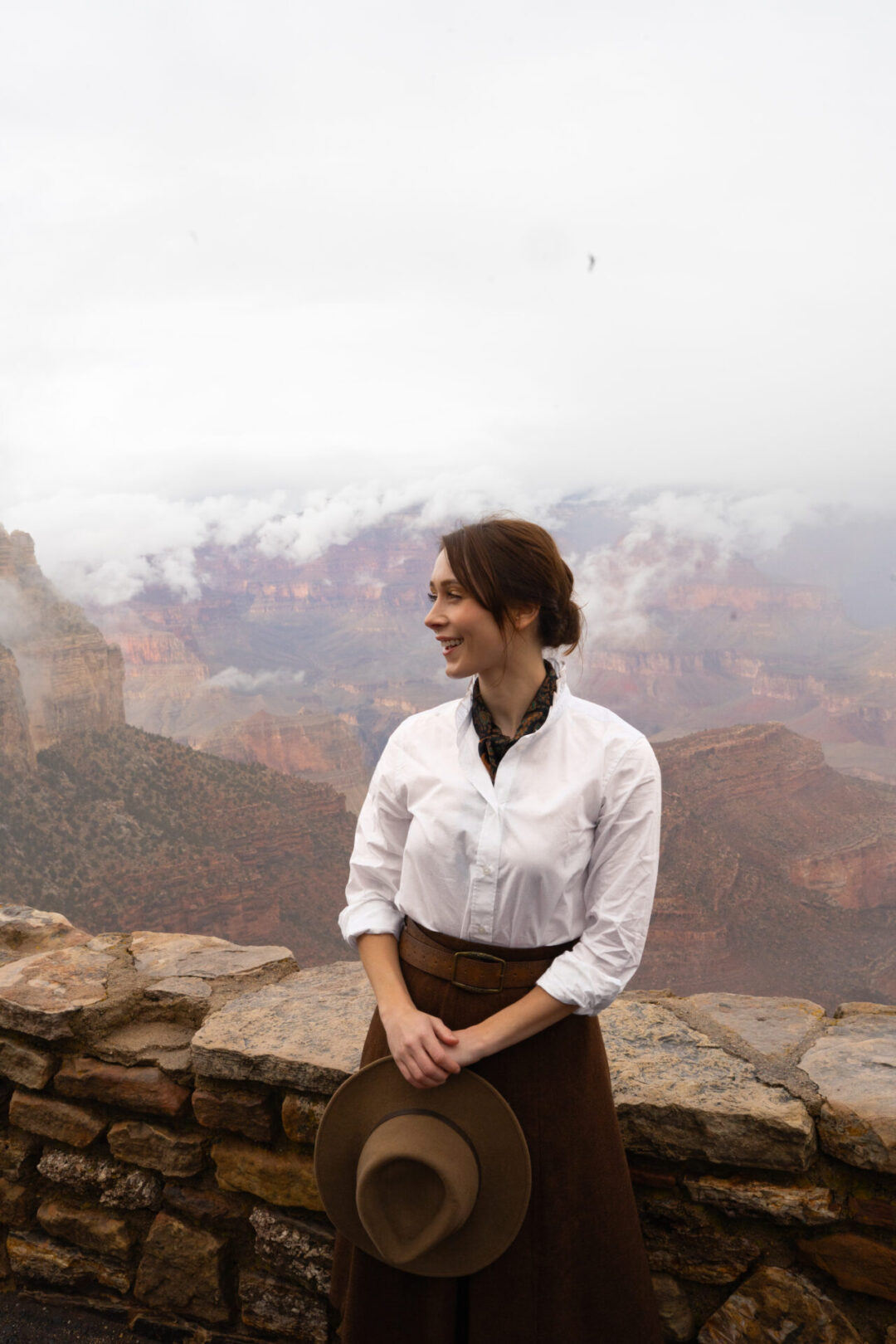
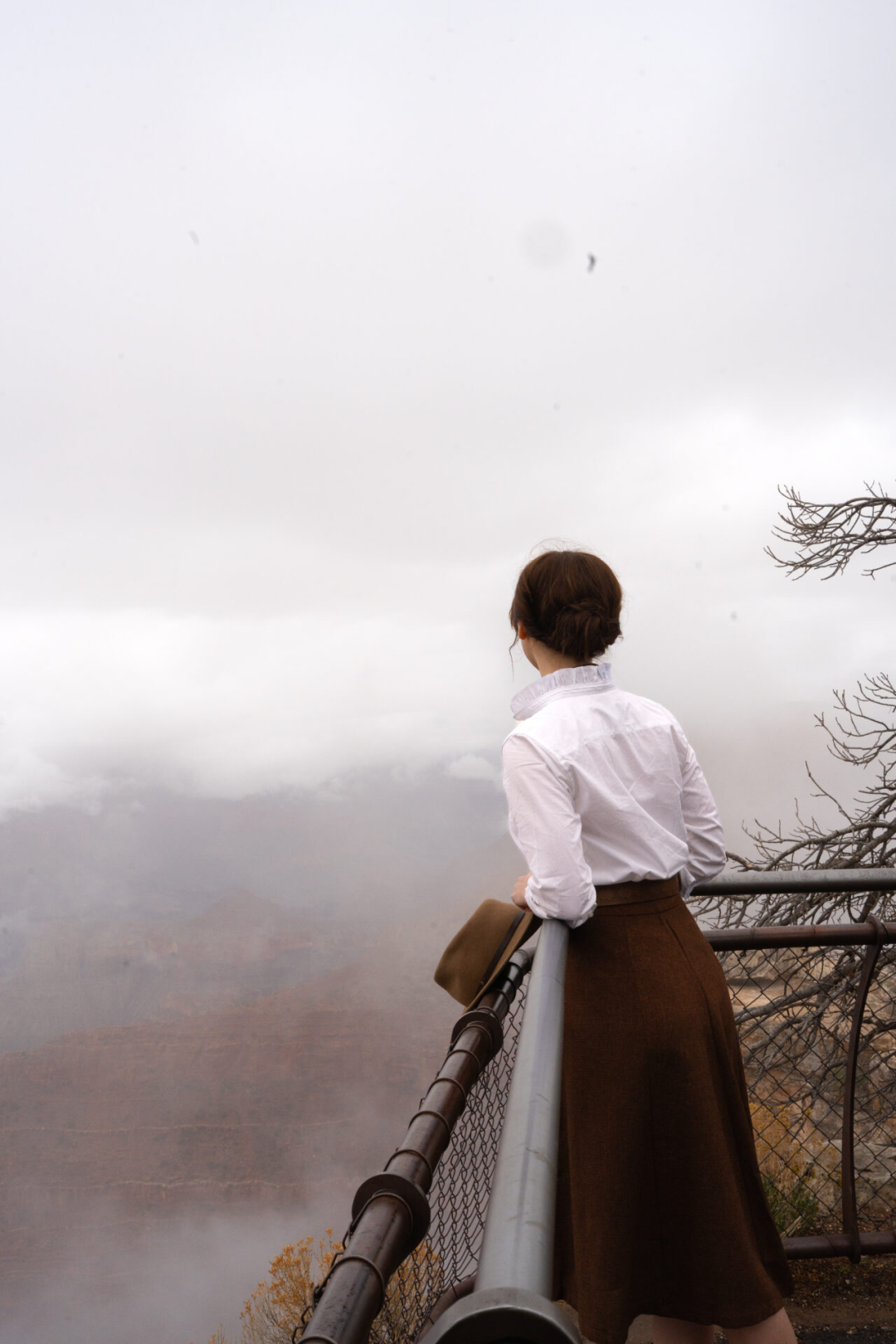
Watching a wall of cloud swallow a formation the size of a small city and then slowly release it is actually insane. I personally had no idea how quickly it all could happen until I was standing atop Mather Point watching it unfold. At the risk of sounding vague, the drama of the Grand Canyon’s winter weather is hard to describe. The closest I can get is that it’s like you’ve been dropped into a big-budget Hollywood blockbuster scene and are waiting for the director to yell “cut” and the special effects artists to stop blowing dry ice around the place. It’s epic, but it is real, and that’s winter at the Grand Canyon for you. To me, that all on its own makes this seasonal trip worth it!
Secret Tip: If you are visiting the Grand Canyon on a cloudy, rainy, or snowy day, just try your best to be patient at the viewpoints and prepare for some spontaneity in your itinerary! There will be times that the canyon is completely obscured, and other times where it will reappear from behind the clouds, and that’s when the magic views happen!
Less Guilt
Ok, so this is a long one, but I promise it’s worth the read if you’re like me and struggle with the guilt of doing anything other than hiking when at national parks. I mean, you flew across the country, or drove for six hours, and now you’re at one of the great wonders of the world. So taking a long, leisurely lunch or letting a two hour train ride be the main event of your day can almost feel wasteful.
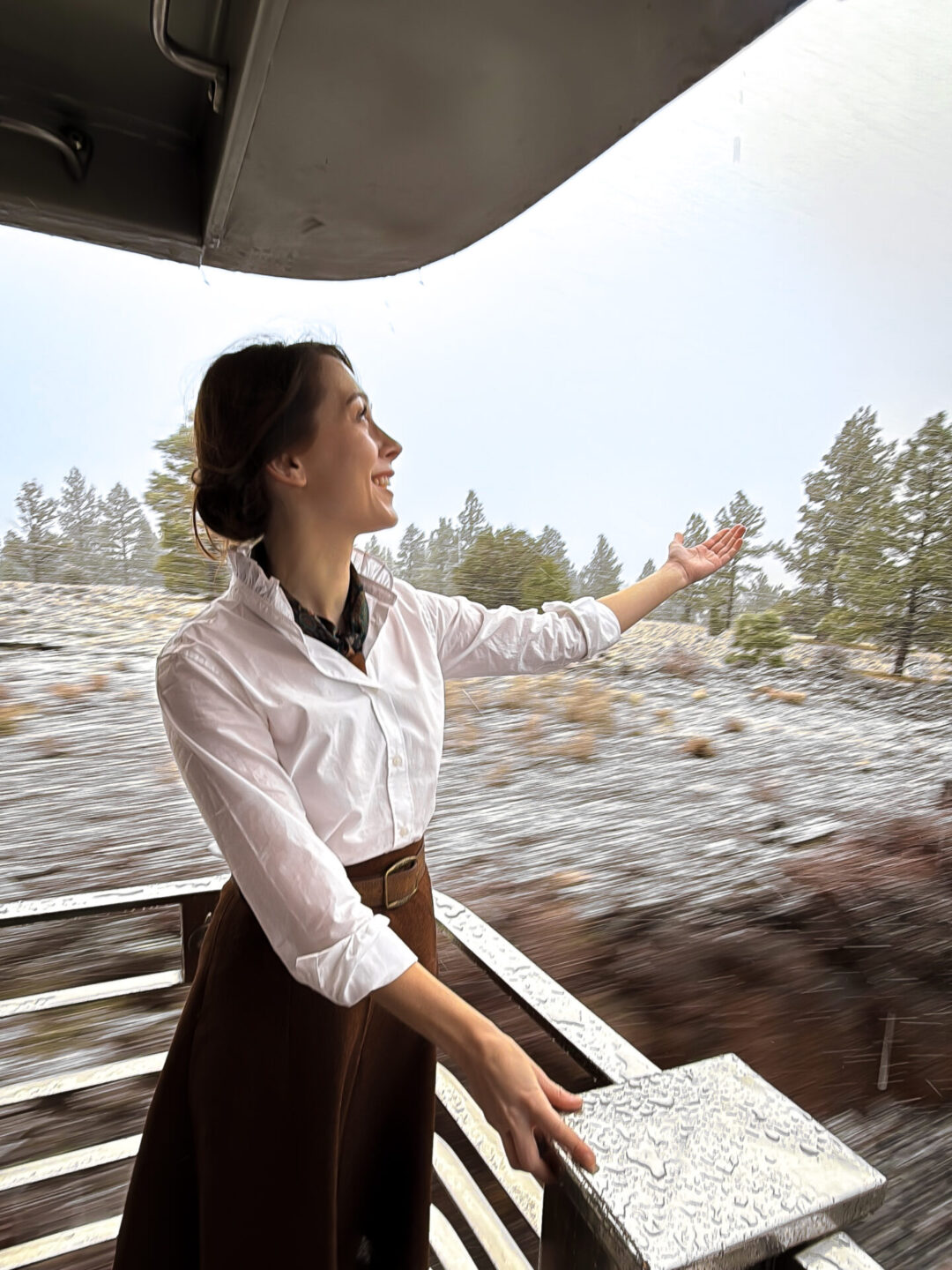
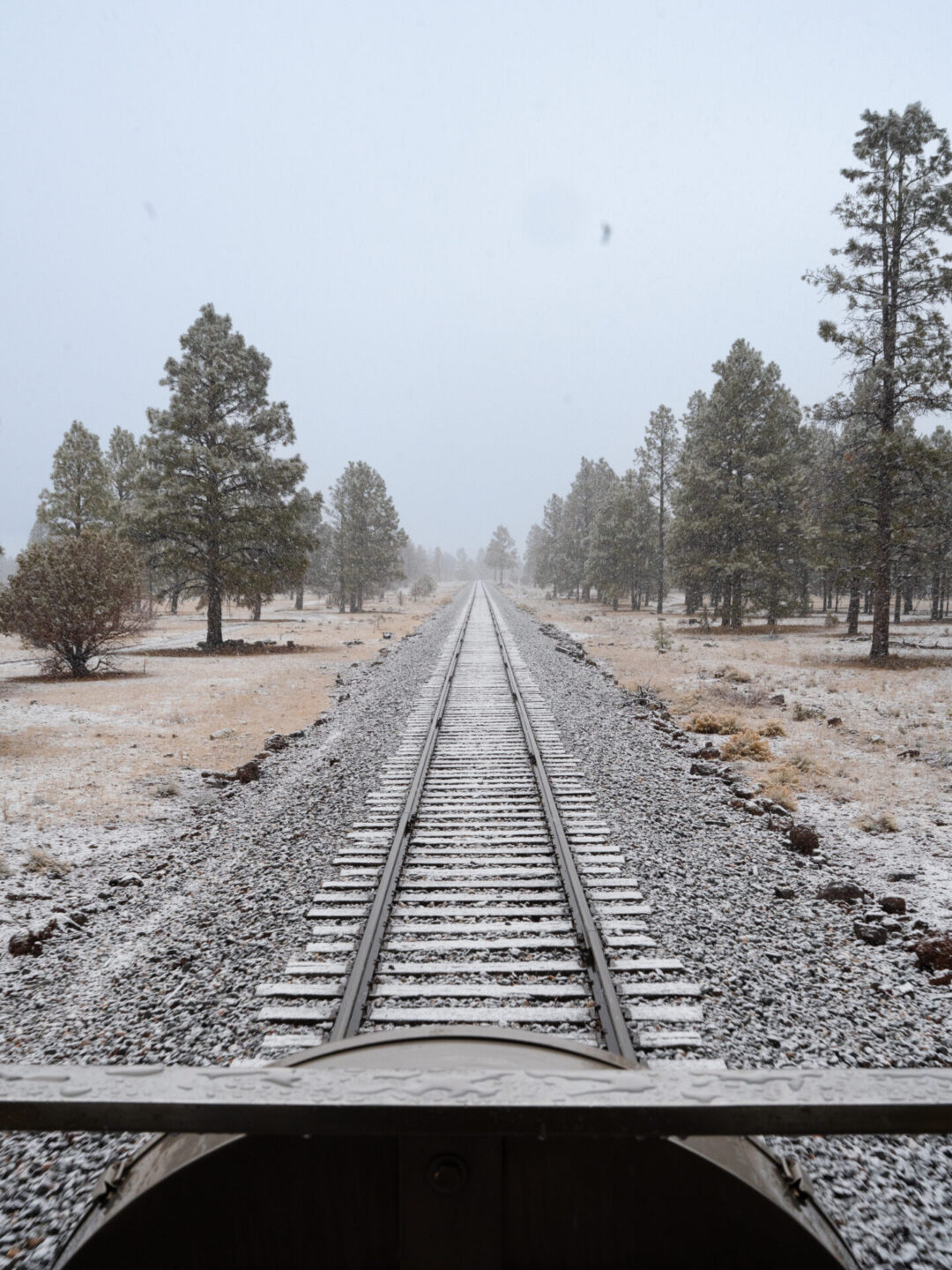
But, in the winter at the Grand Canyon, you almost get a free pass to do all those alternate, slower paced activities. And why? Again… the weather! Sometimes it’s rainy, sometimes it’s snowy, and heck, sometimes it’s still sunny enough you want to take your jacket off. But more than often, the weather is not at all predictable! So, what’s a visitor to do?
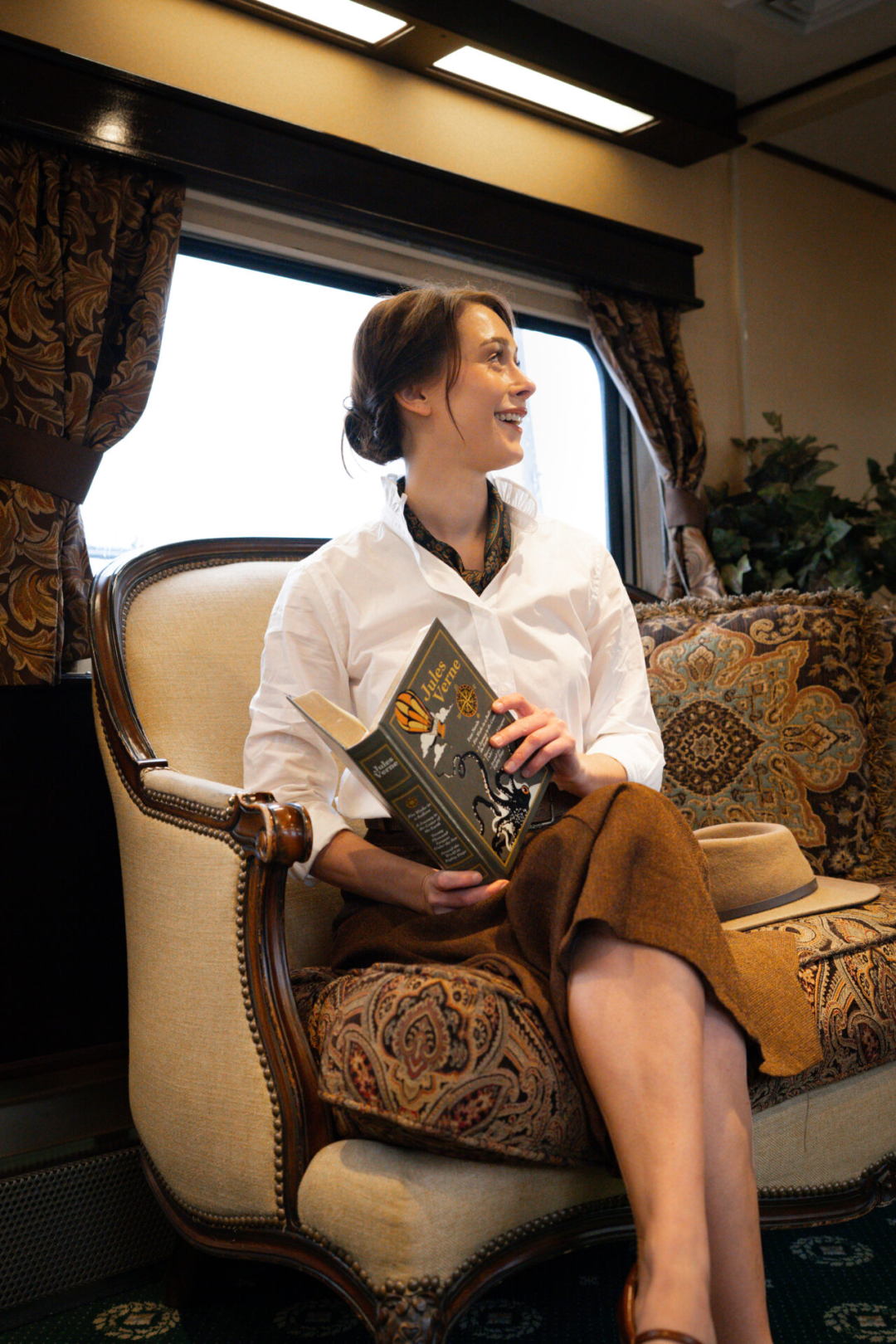
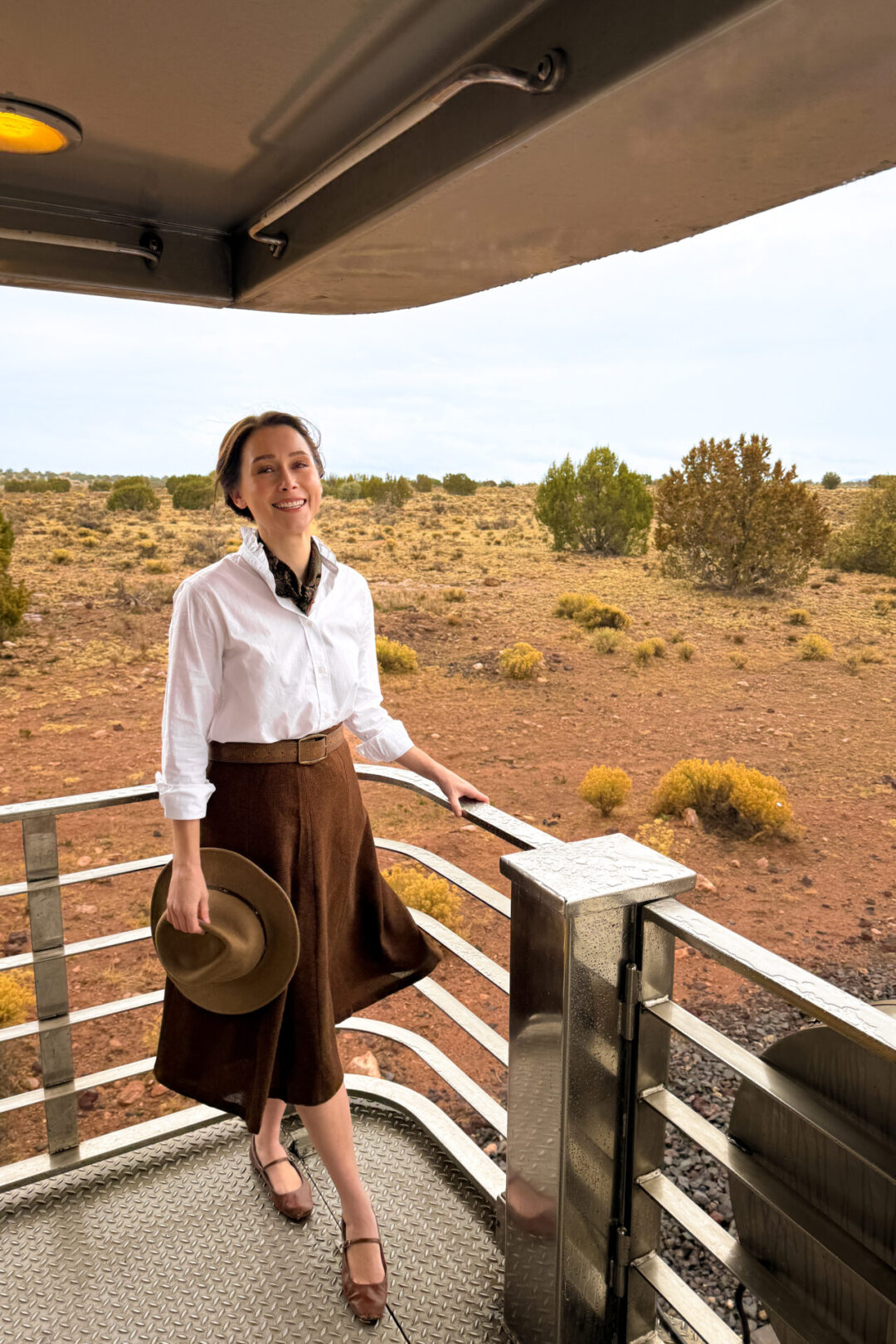
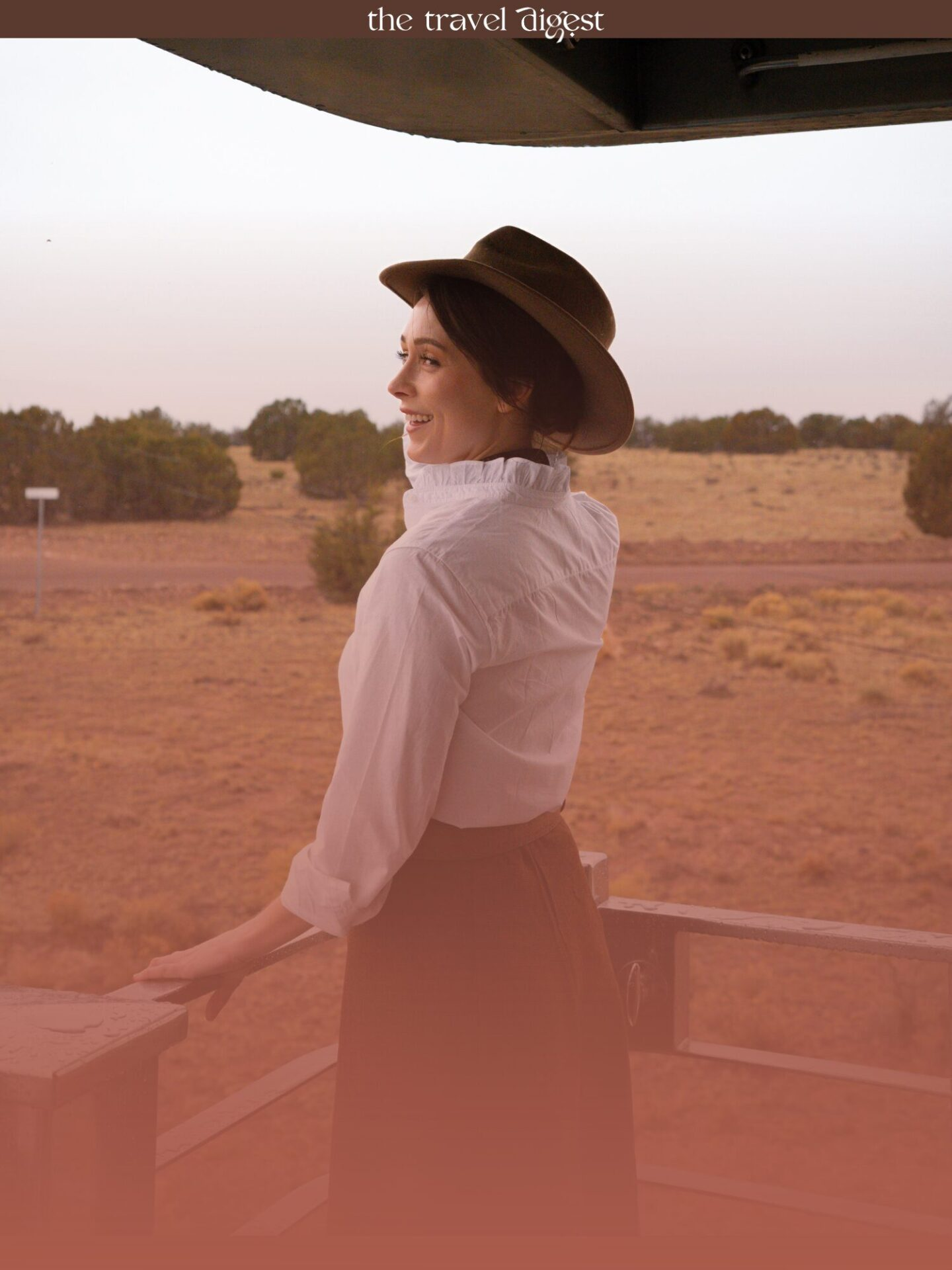
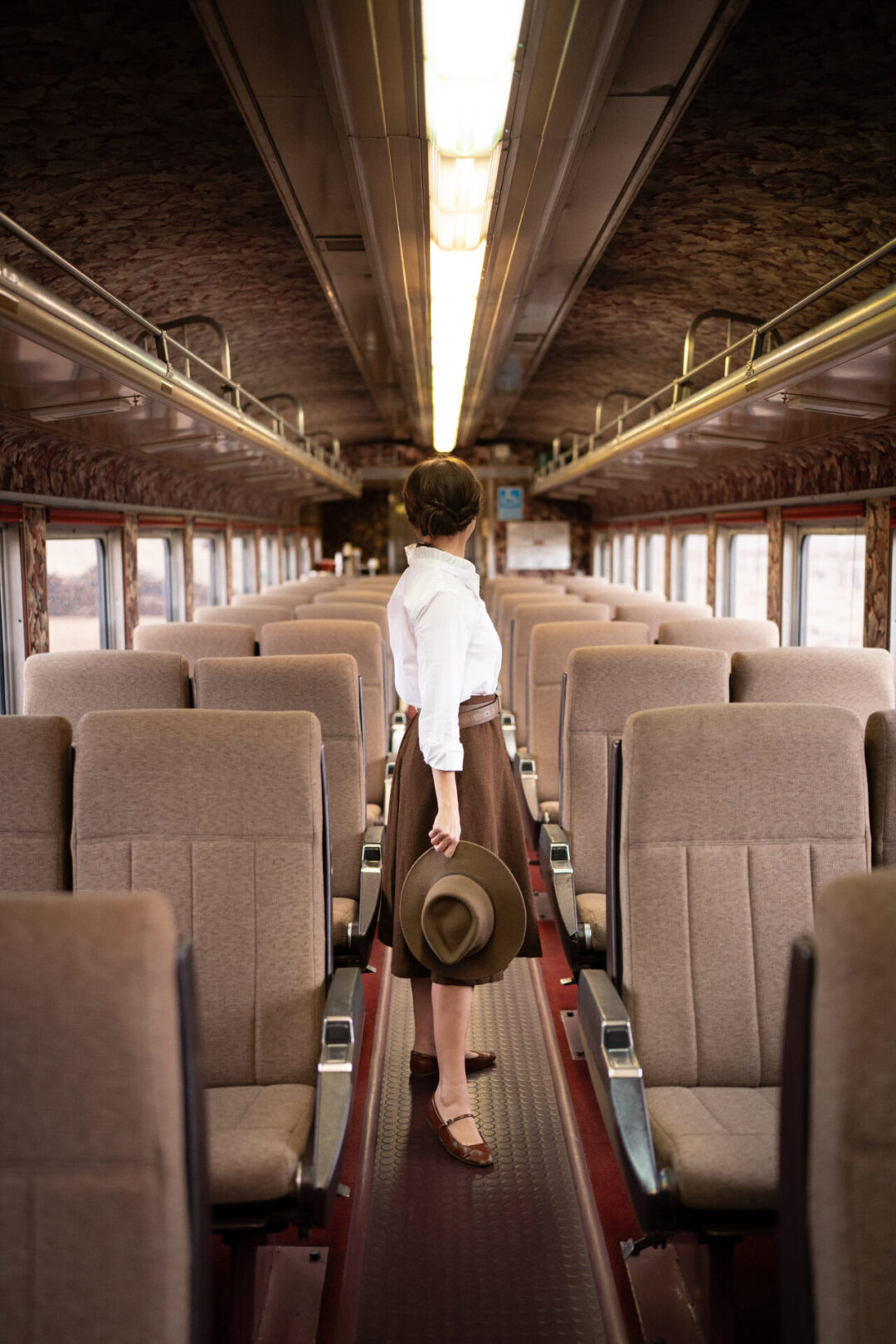
Well, my partner and I decided to splurge on tickets for the Grand Canyon Railway. It was an easy two hour ride each way into the park and back and ended up being the highlight of our entire trip! We didn’t feel bad about spending four hours of our day on a railcar instead of seeing more sights. The forecast that day included heavy rain and clouds during the particular hours we were in the railcar. At one point, it even started snowing! Had we set our sights on trying to see as much of the canyon as possible that day instead, we probably would have been disappointed. There were, of course, a few jaw-dropping moments where the canyon appeared from behind the clouds (and we were lucky to see them during the few hours we had in the park between the rail journeys), but a great portion of the time, the canyon was obscured by the clouds. So, we didn’t feel like we missed much because there wasn’t a whole lot to feel guilty about! The weather was just out of our control, so we rolled with the punches and treated ourselves to a leisurely experience we might not have had otherwise!
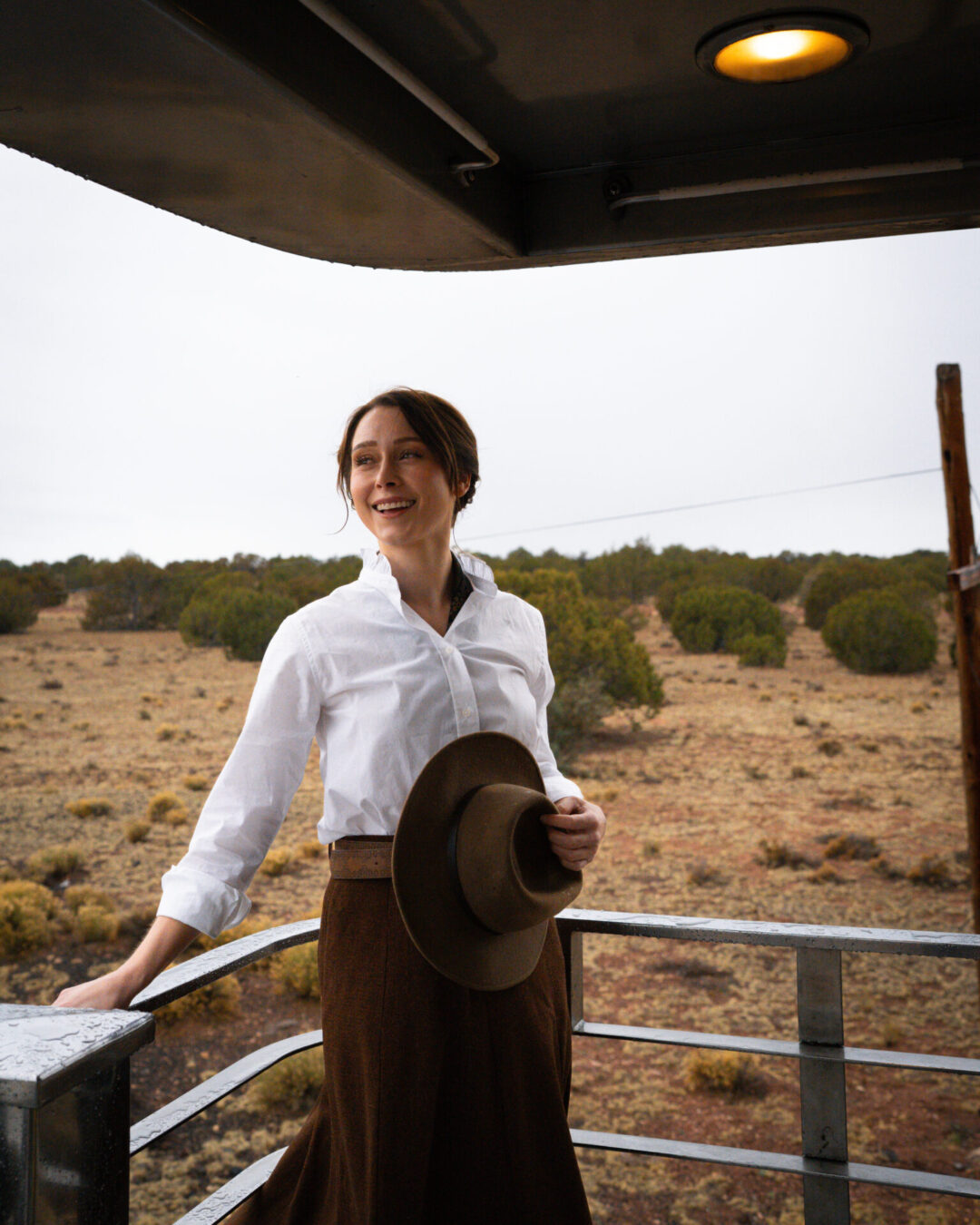
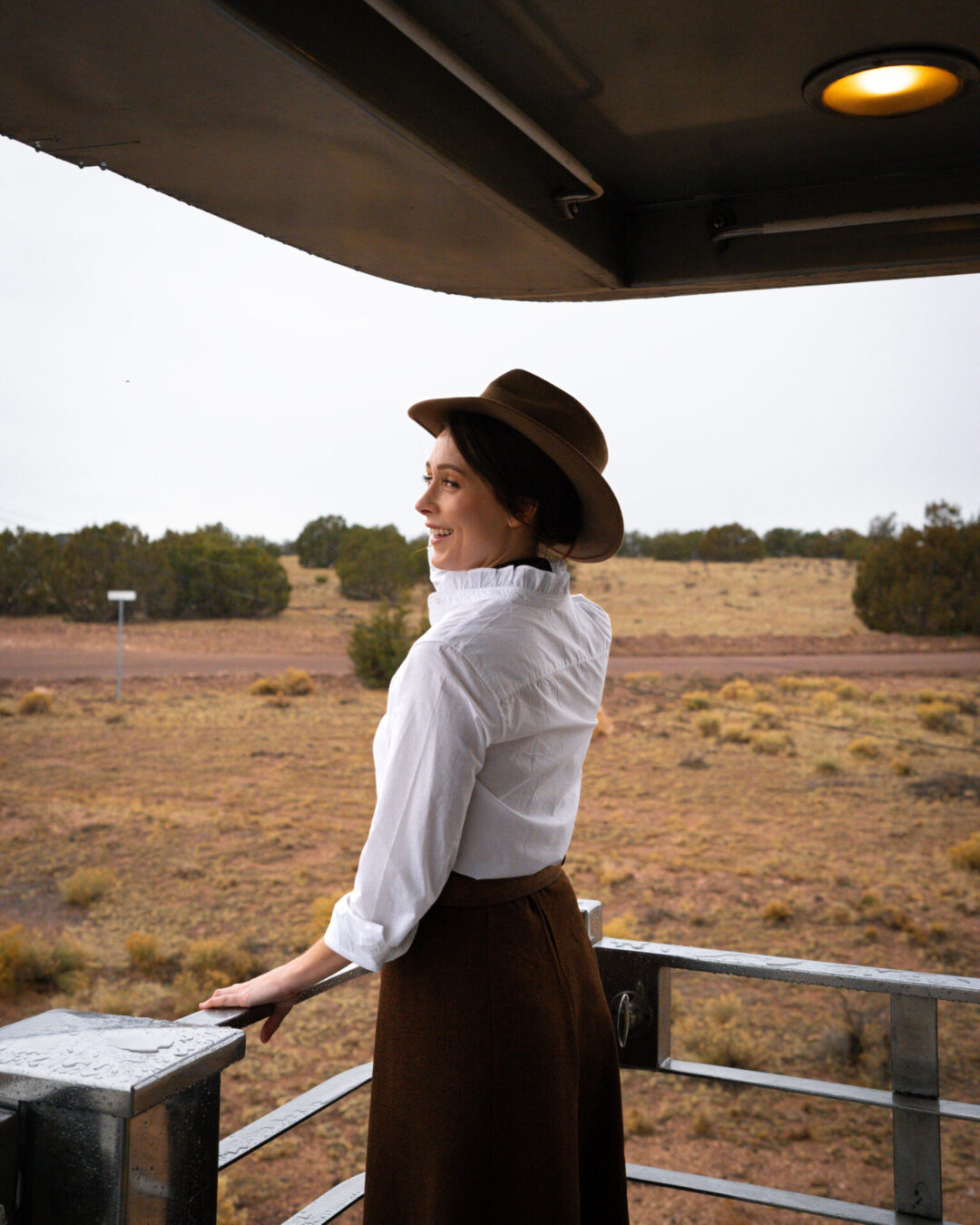
The observation class car had snacks, fresh-squeezed orange juice (a not-so-guilty pleasure), live music from musicians walking the aisles taking requests, a guide cracking jokes and sharing stories, and an open-air back deck that was my favorite spot on the whole journey. On the return ride, the parlor car included a champagne toast (I was deep into a dry-January-into-February stretch, so I went with cider, but still felt very festive) and our attendant shared an entertaining conspiracy theory/hoax that connected the Grand Canyon to ancient Egypt.
Our second day of the trip had significantly better weather so we were able to do a lot more of the traditional exploring and viewpoint gazing you’d expect at the Grand Canyon, but even still we purposely made time for a leisurely lunch at the El Tovar Dining Room. This is one we were luckily able to book only a week in advance given that it was the low season, which is crazy to think about when you know that this dining room has previously hosted the likes of Teddy Roosevelt, President Clinton, and Sir Paul McCartney. We timed our reservation for 11AM, which is admittedly a bit on the early side, but was a great strategic move on our part as El Tovar is a popular lunch stop for Grand Canyon Railway visitors who typically arrive in the park around 11:45AM. During the summer, this wouldn’t have mattered too much because El Tovar tends to be crowded no matter what time you go, but in the winter? It was just perfect.
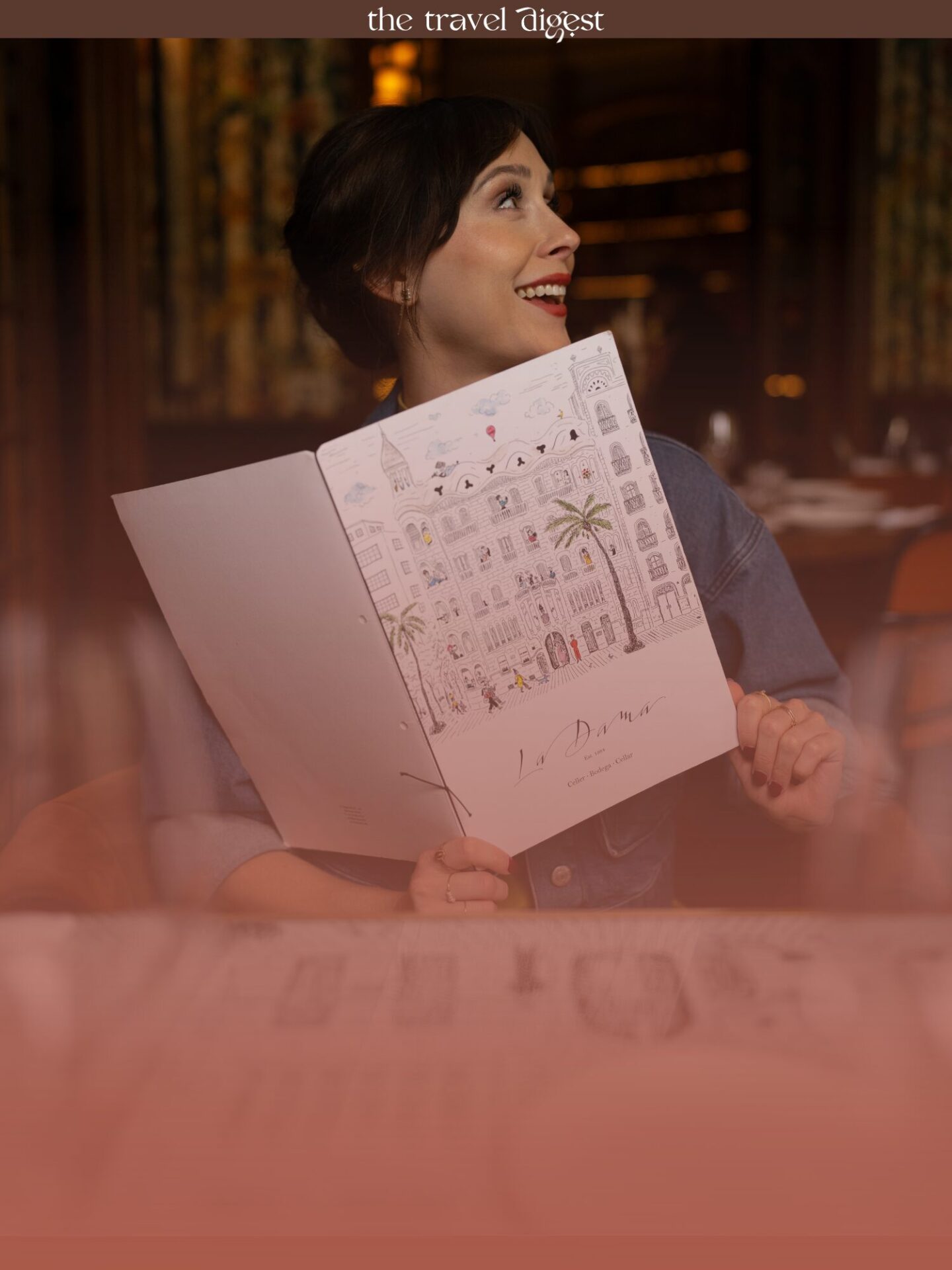
We went on to dine directly in our hiking gear, completely unbothered, with a floor-to-ceiling window view of the canyon and barely any other patrons in the restaurant to boot. I ordered the elk chili and not one, but two warm apple ciders because I was feeling a bit indulgent. And because we didn’t have to fight the crowds or wait a while for a table to open or for our food to arrive, we didn’t feel bad about stopping by this popular restaurant for a longer lunch or like we had taken time away from any other part of the trip: a clear advantage of winter planning.
Clearer Nights
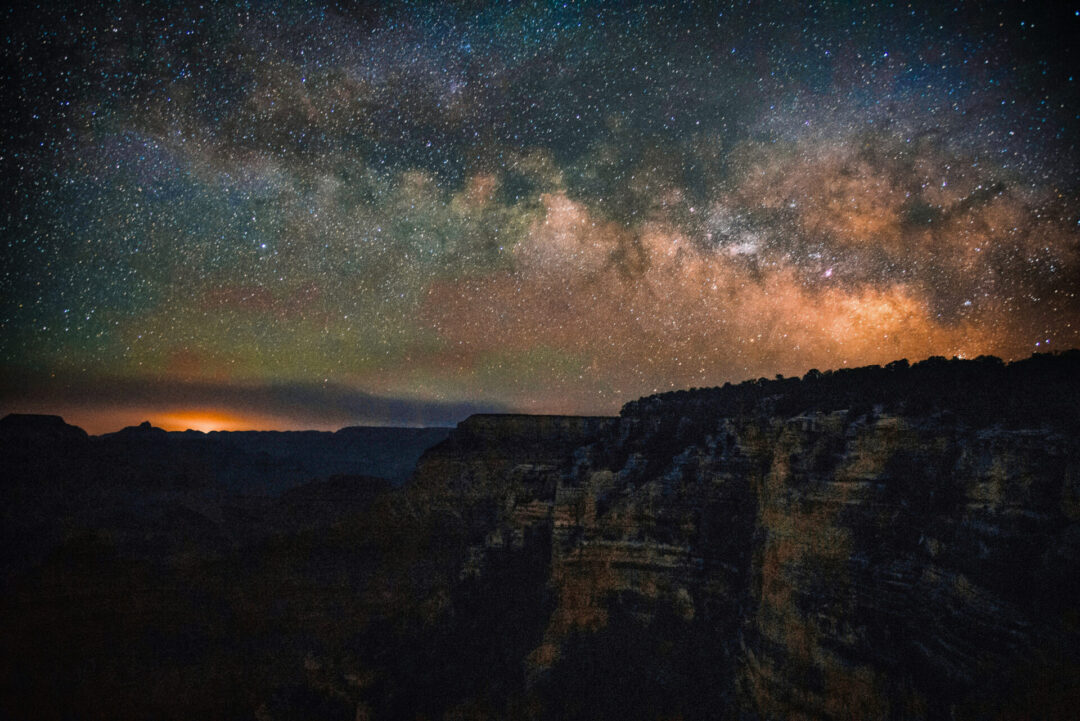
This is the one I genuinely wish we had planned for, and it’s one of the reasons I’d love to visit again during the winter! The Grand Canyon is known for its remarkable stargazing. Because it sits in a rather remote stretch of northern Arizona, far from major cities, the night sky here is as dark as it gets in the continental US. In summer, the crowds, the ambient light from visitor areas, and the general noise of peak season all work against a truly quiet night under the stars. But in winter (again, remember we’re dealing with only 10% of the normal Grand Canyon crowd situation), a great amount of that light pollution is gone.
What you get instead is the Milky Way over one of the most dramatic landscapes on earth, with a fraction of the people and almost none of the interference. The cold air in winter is also typically drier and clearer, which means visibility is sharper. Park rangers and astronomers consistently point to the winter months as some of the best for stargazing on the South Rim, and the difference between seeing a sky full of stars over the canyon versus seeing them anywhere else is, from everything I’ve read and heard, breathtaking. So if you do decide after reading this post that you’d like to visit the Grand Canyon in winter, please don’t make my mistake! Build in a night specifically for this (if weather allows, of course!). You won’t regret it!