The Mistakes I Made on my Sequoia National Park Trip (So You Don’t Have To)
I’m a planner. You know who I’m talking about… that friend who color codes spreadsheets and triple checks Google maps before any big trip. So you’d think my four day getaway to Sequoia National Park would go off without a hitch, right? Well, not exactly.
Despite all my preparation, I still managed to make a few mistakes on my trip, including incorrectly assuming we found a point of interest and forgetting half my picnic lunch in the Airstream fridge. But here’s the thing: even with these hiccups, my Sequoia trip was absolutely magical. My partner and I saw the world’s largest trees, explored empty meadows during a comfortable mid-morning hour, and spent our evenings playing board games by the fire!
So while I’m calling these “mistakes,” they’re really just learning moments that made the adventure more memorable. And now I’m sharing them with you so your Sequoia trip can be even smoother than mine!
Assuming We Found Chimney Tree (We Hadn’t)
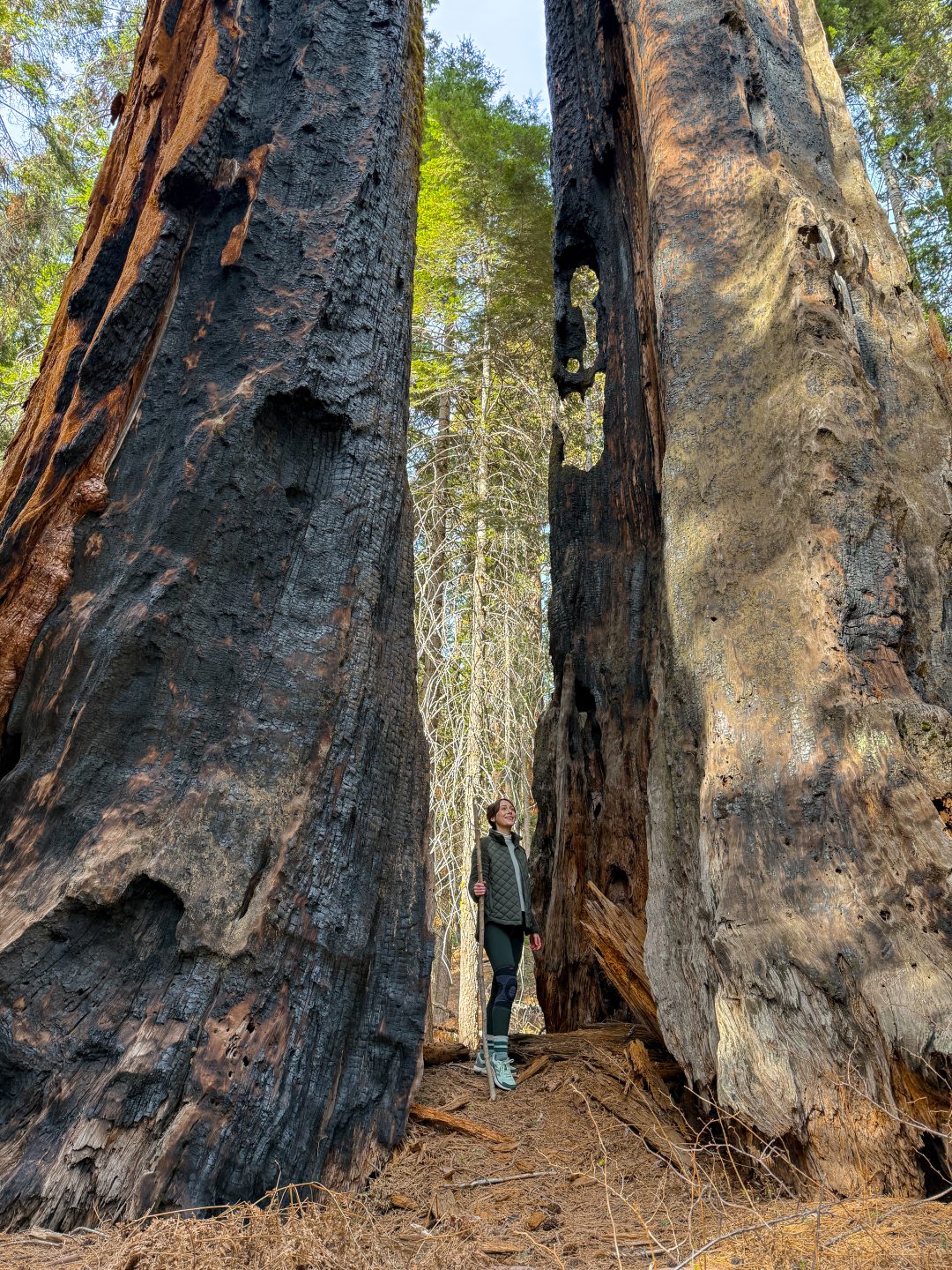
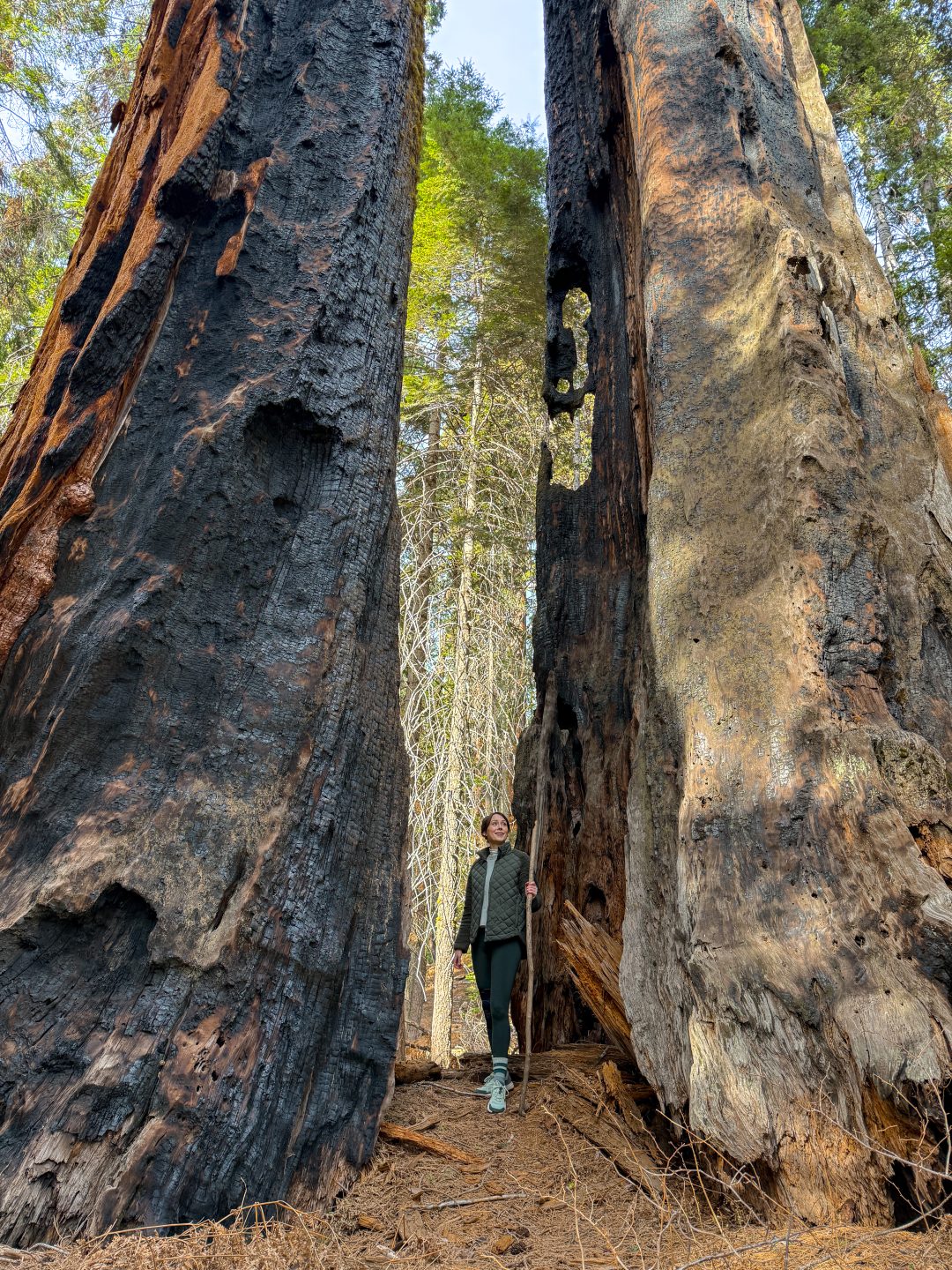
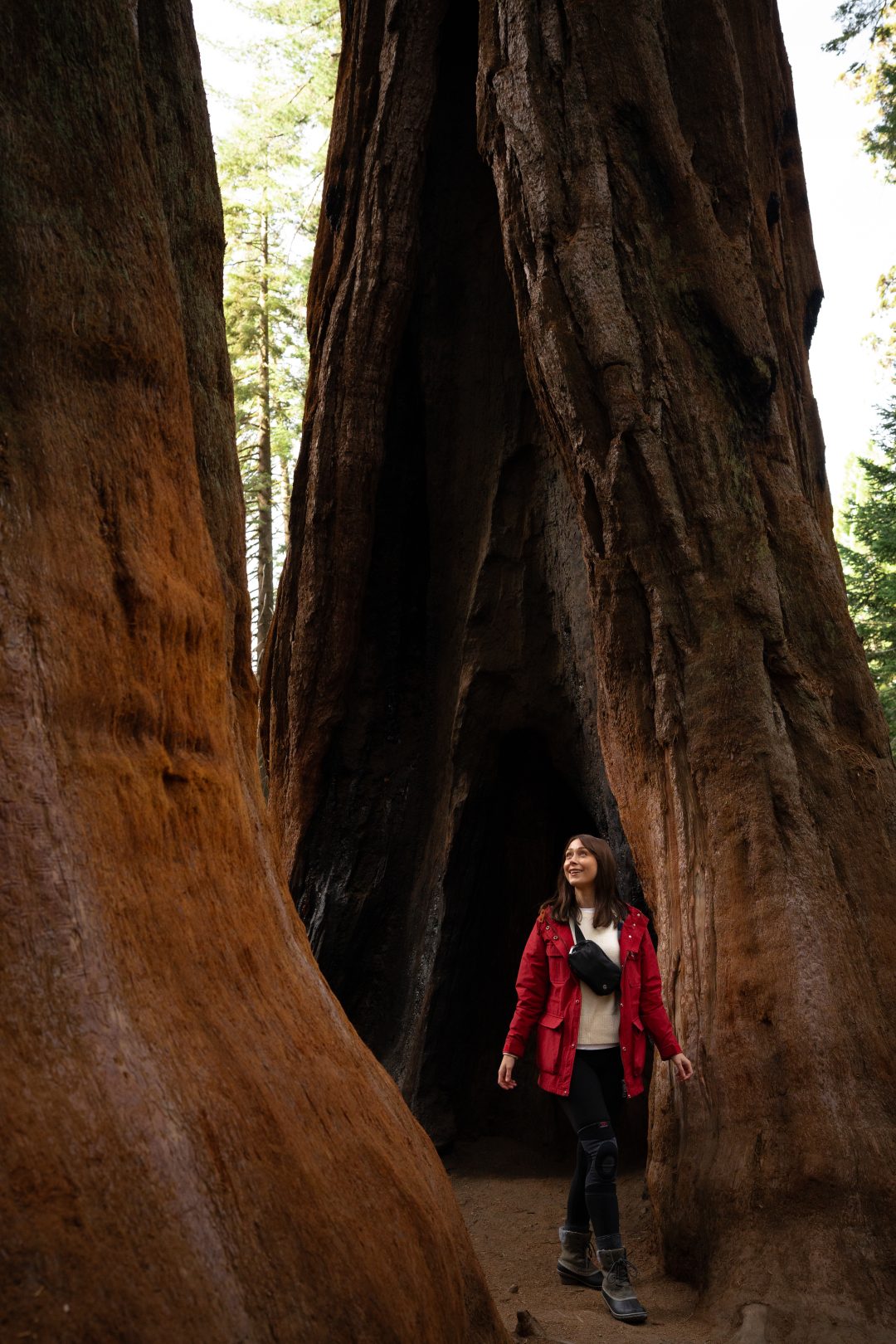
The Crescent Meadow Loop was one of the highlights of our trip, but we made a classic mistake about halfway through. We saw the trail sign pointing toward Chimney Tree and continued along the path. When we came across two particularly impressive giant “twin” sequoias, we assumed these must be Chimney Tree. There was no interpretive sign to confirm it, but we figured this had to be it. It seemed like there wasn’t as clear of a trail as there had been before beyond this point, so we took a few photos and then continued back the way we came.
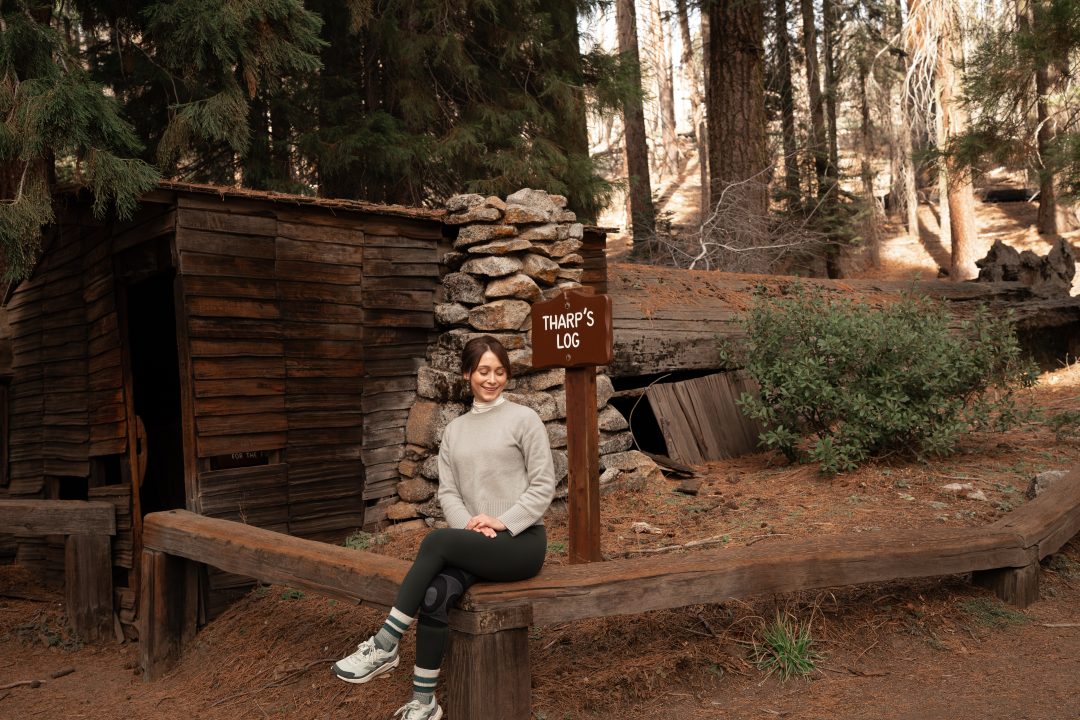
We next headed toward Tharp’s Log, thinking we’d seen everything. Once we got there, we continued on what we thought was the route back to the parking lot (the whole trail here is, as the name suggests, a giant loop), only to eventually reach the actual Chimney Tree, complete with its proper sign and hollow interior. That’s when we realized we’d just hiked a big chunk of the trail twice for no reason.
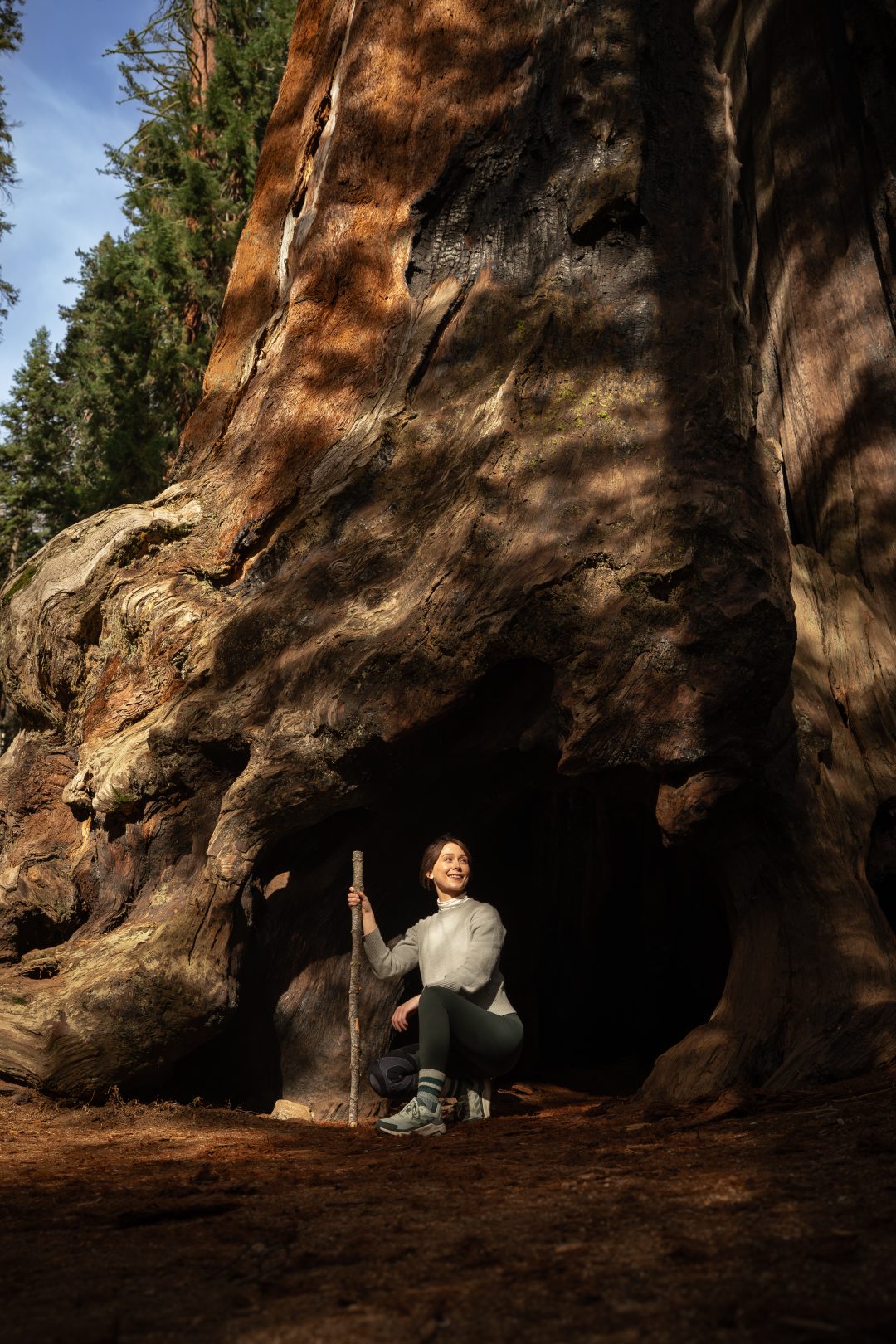
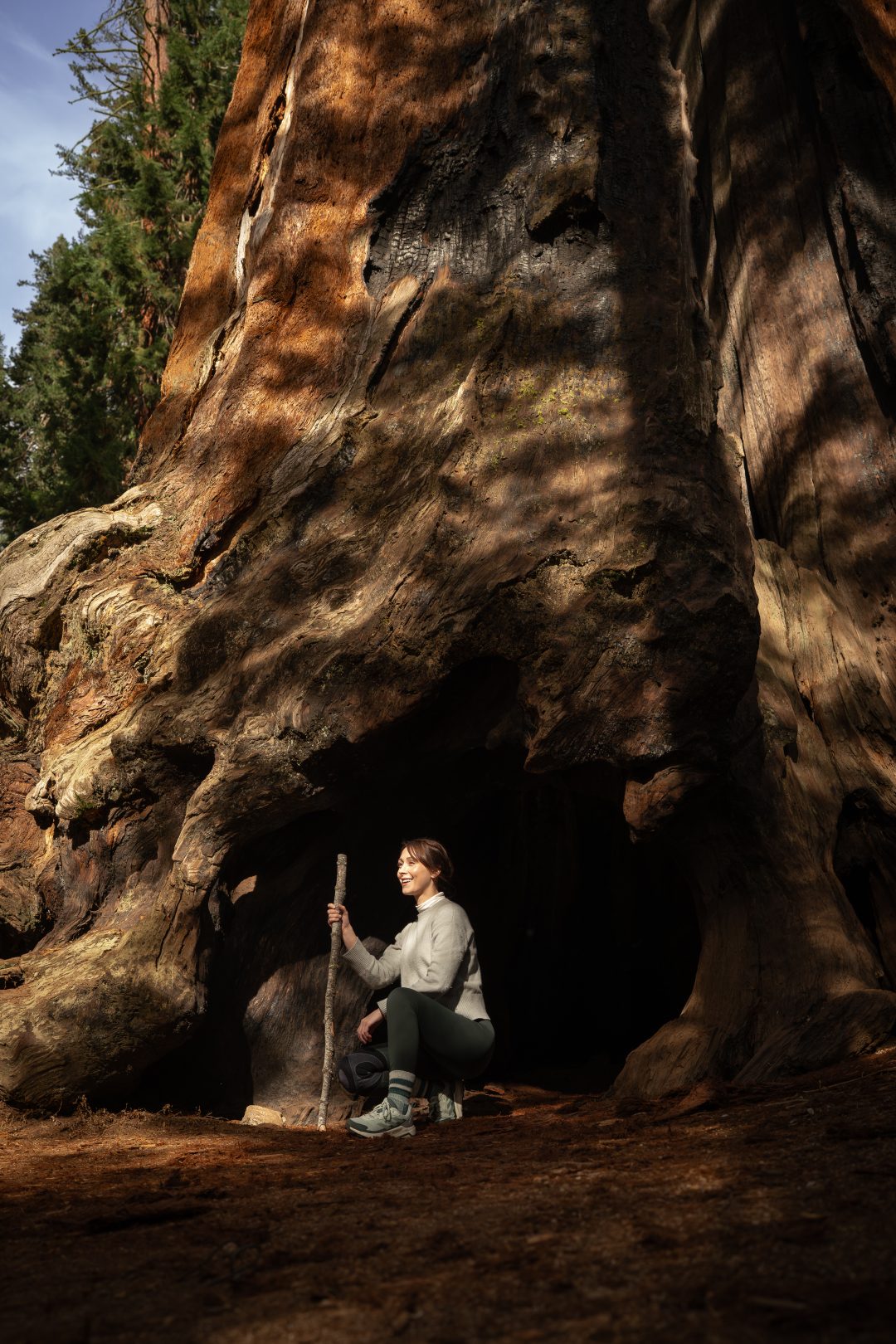
It’s an easy mistake if you don’t know exactly what you’re looking for since there are so many impressive sequoias along the loop. But the real Chimney Tree is pretty unmistakable once you actually get there.
So how do you avoid this mistake?
Don’t assume you’ve found a landmark just because you see an impressive tree. The major points of interest on trails like this will have clear interpretive signs or markers. If you’re standing in front of something and thinking “Is this it?”, it probably isn’t.
Also, there’s a decent bit of elevation gain between Tharp’s Log and Chimney Tree, so doing the loop in the right direction (heading toward the cabin first) helps you tackle it more logically.
Want to plan a Sequoia National Park trip?
You have a long weekend, a park the size of a small country, and exactly zero desire to waste a single hour of it figuring out logistics on the fly. Knowing which trails to prioritize is a start, but knowing how to move through Sequoia so every hour actually counts is a different skill entirely.
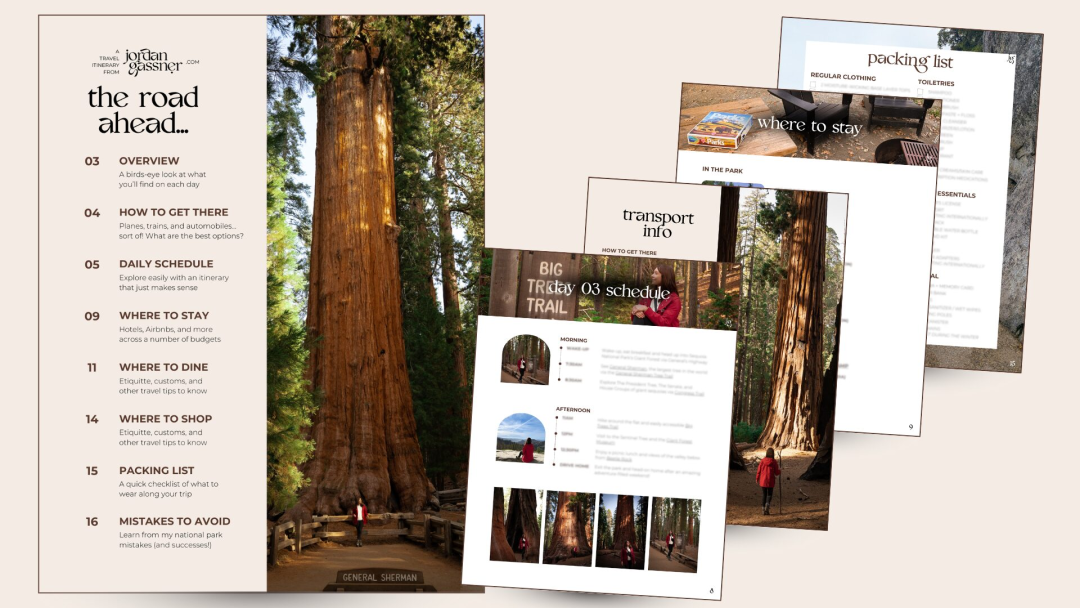
My Sequoia National Park Long Weekend Itinerary takes everything you need and builds it into a complete trip plan:
This 17 page itinerary/guide includes:
- 📋 Hour-by-hour schedules of 3 days (+ 1 bonus day) in Sequoia National Park
- 🥘 My handpicked recommendations for where to stay, dine, and shop
- 🚃 Transport info
- 🧳 A checklist-style packing list
- ♥️ Even more mistakes to avoid
Forgetting Half the Picnic Supplies
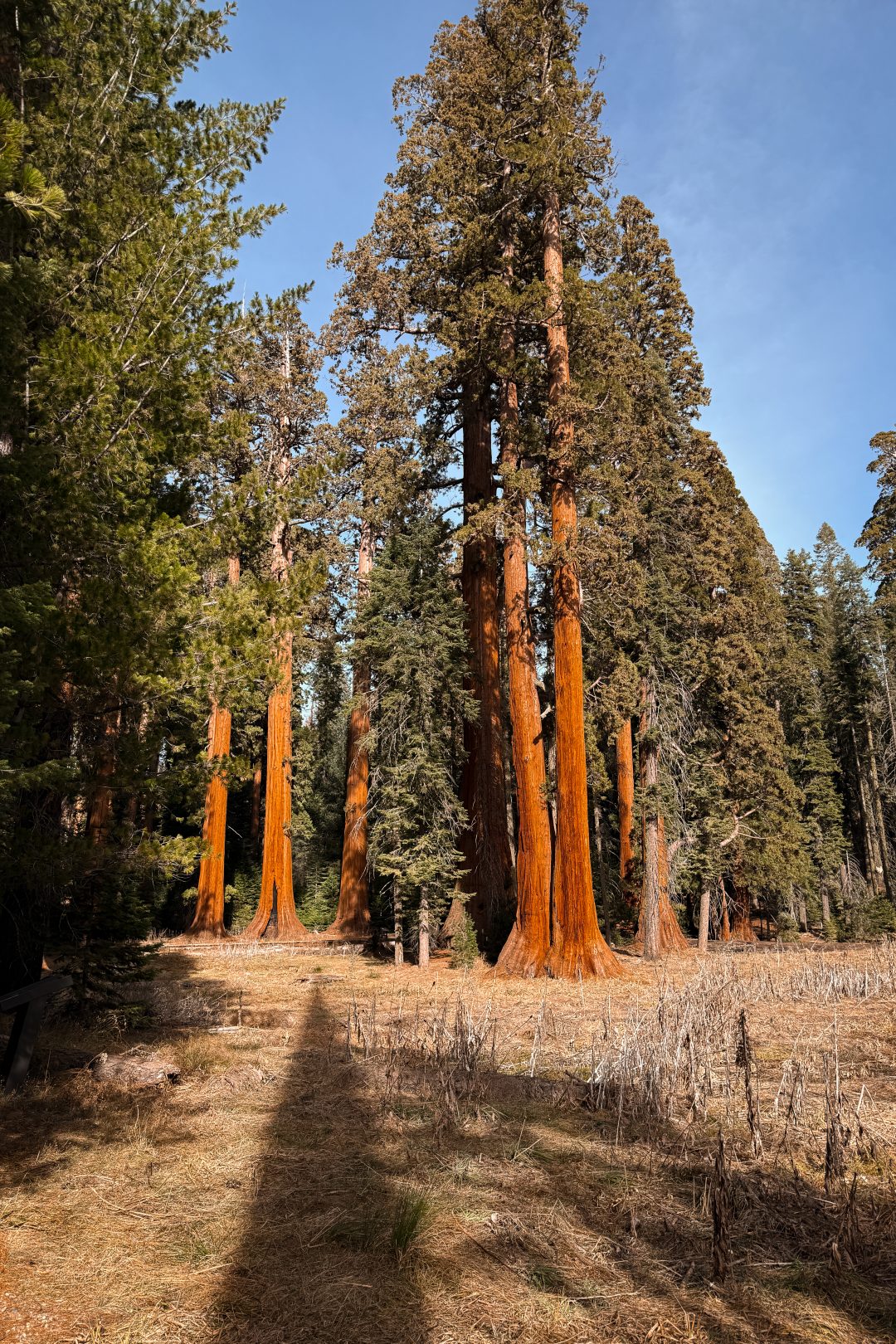
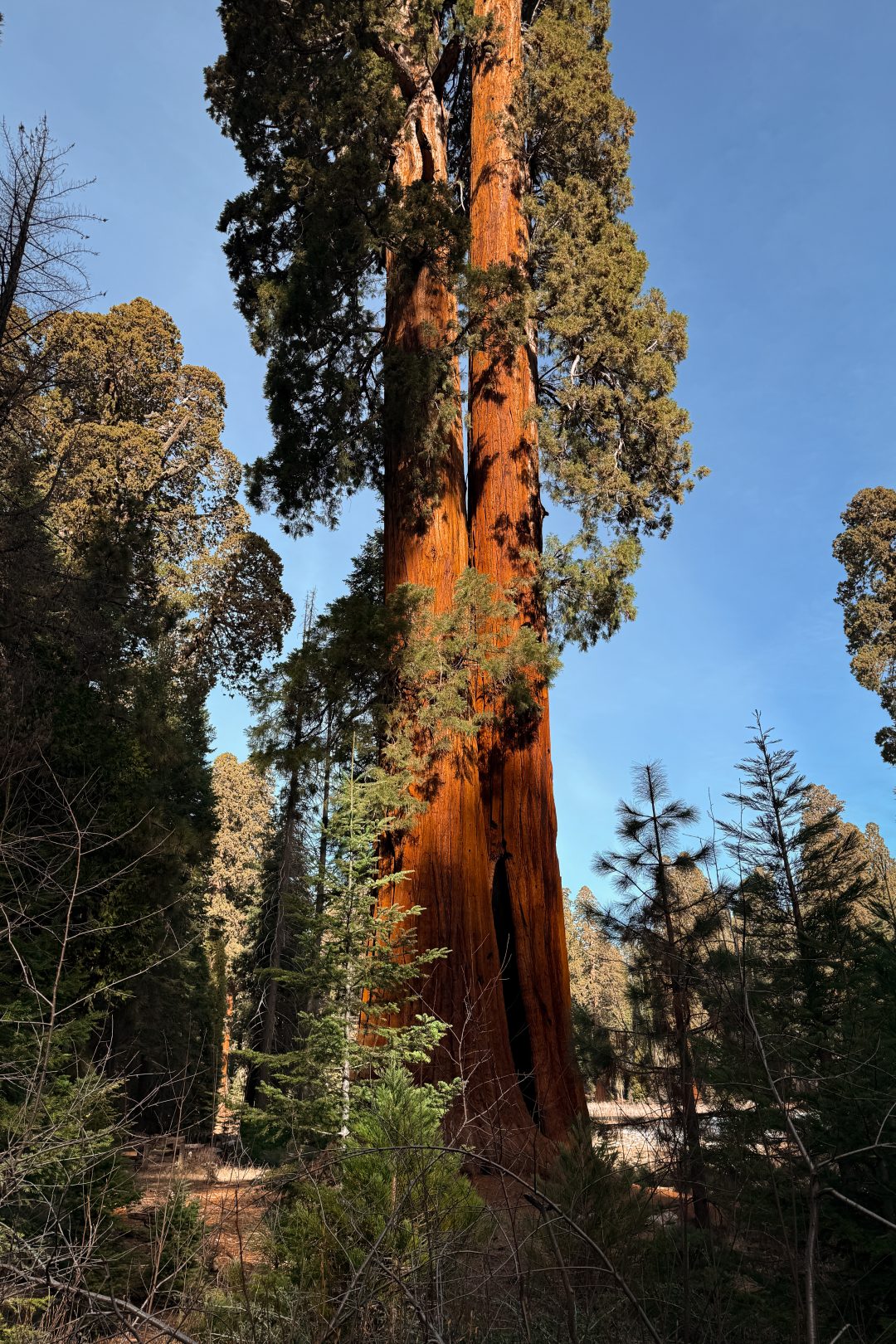
So there we were: my partner and I sitting in the car at the parking lot near the Giant Forest Museum, ready to dig into our packed lunch. I pulled out the bread and peanut butter, then reached for the jam… which was still sitting in our Airstream fridge, along with all the other perishables I’d meant to pack that morning.
So we ate plain peanut butter sandwiches and jerky sticks while overlooking some of the most majestic trees on earth. Romantic? Not exactly. But we laughed about it.
So how do you avoid this mistake?
If you’re anything like me, day trip packing requires some organization. Make a checklist on your phone the night before and pack everything in one session rather than splitting it up. Or, keep all your non-perishables in the car and handle the cold items last thing before you leave so they’re top of mind. A small cooler can also help you keep everything organized in one place.
Not Going to the Giant Forest Museum first
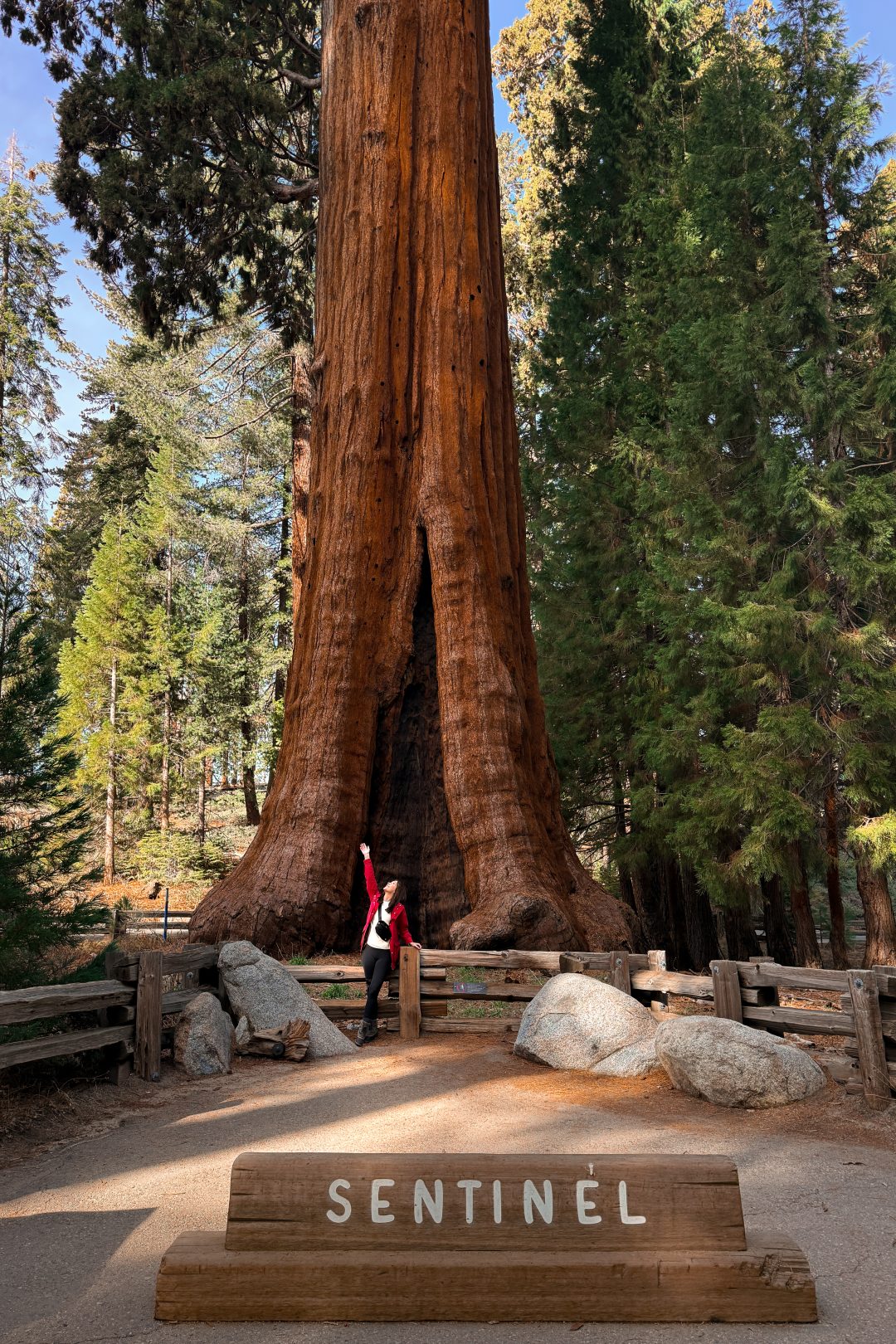
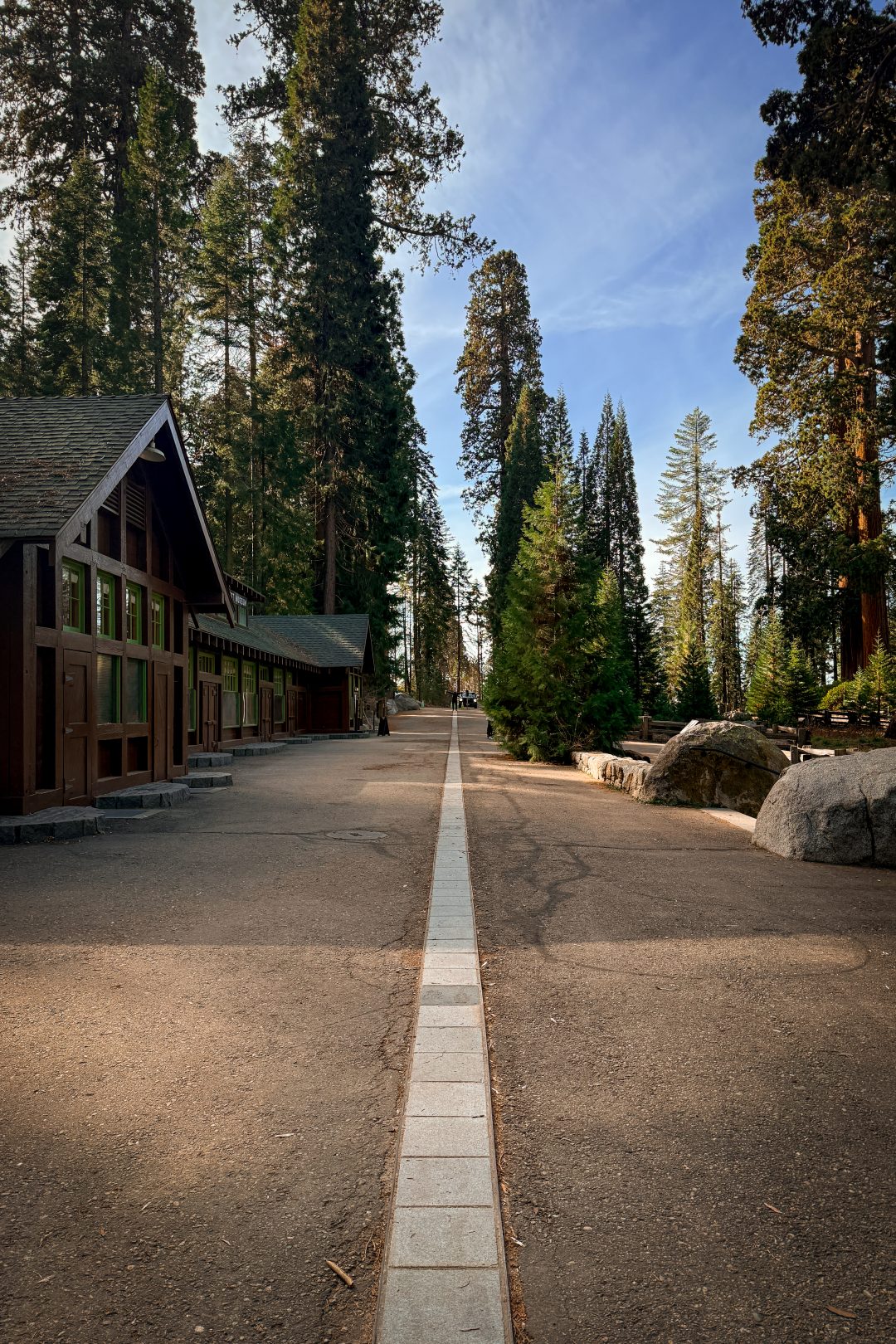
One of our favorite things to do when visiting a National Park is to stop at the visitor center first. We love getting trail tips, closure information, and ranger recommendations before heading out to explore. So on Day 02, our first full day in the park, we stopped at the Foothills Visitor Center.
Except it was closed. The information area was completely shut down. We’re not entirely sure if this was due to the off-season or the recent national park employee cuts, but either way, we couldn’t get the information we were hoping for.
We didn’t realize until Day 03 that the Giant Sequoia Museum had park rangers and an actual visitor information area. By that point, we’d already done most of our hiking and could have really benefited from their expertise earlier in the trip!
So how do you avoid this mistake?
Not all visitor centers are created equal, and not all of them will be open when you visit. The Giant Sequoia Museum near the General Sherman area has rangers, exhibits, and current park information. Check the National Park Service website before your trip to see which visitor centers are currently open. If you’re unsure, plan to visit the Giant Sequoia Museum on your first day in the park. The rangers there can give you up-to-date trail conditions, closure information, and recommendations based on the weather and time of year. It’s worth the stop, even if it feels like you’re “wasting” hiking time.
Neglecting to visit Kings Canyon National Park
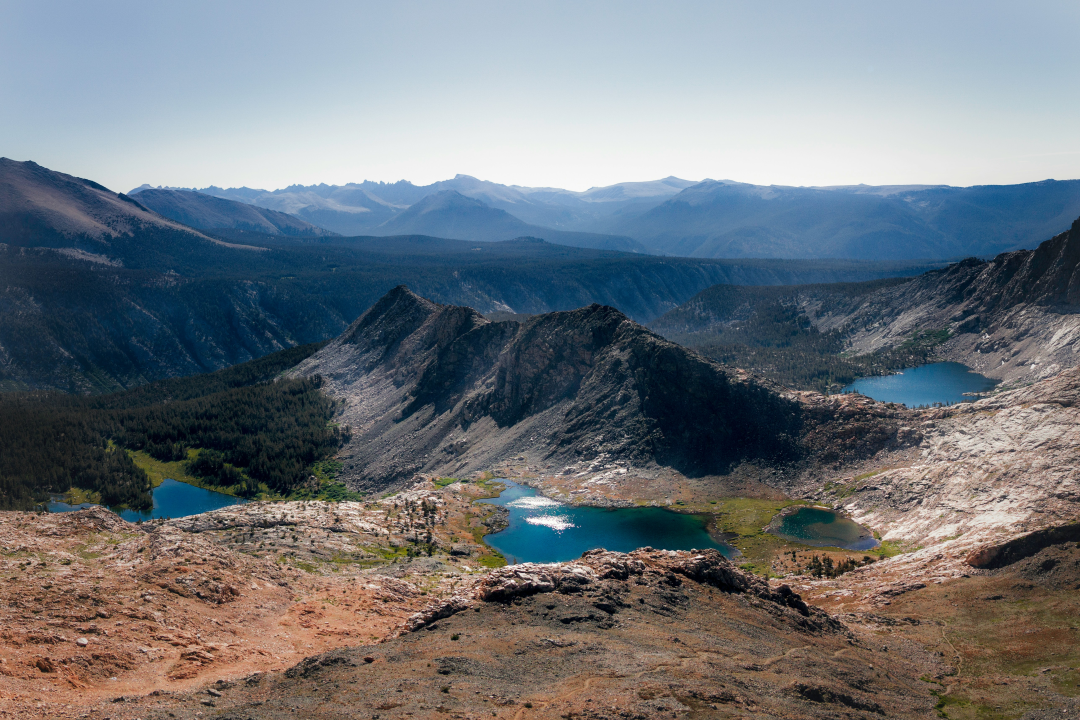
When I was planning the trip, I knew Sequoia and Kings Canyon were technically separate areas within the same park system. I also knew most of Kings Canyon is closed during the winter season, and so I didn’t make any plans to visit, even if would have just been the accessible areas. That part of the park was much further away, and the drive back to Three Rivers each day from the top of Sequoia was already 1 hour alone.
It wasn’t a dealbreaker. Sequoia alone had more than enough to fill our days, but it would have been nice to have sprinkled in a few sites to visit on the day that we were closer to that side of the park.
So how do you avoid this mistake?
Check the National Park Service website for current closures before your trip. Understand the difference between Sequoia and Kings Canyon access points. If you’re visiting in the off-season, focus your plans on Sequoia, with maybe 1-2 Kings Canyons sites earlier on in the day. And if you want to explore Kings Canyon, consider a longer joint national park trip during a different season.
Mistakes I Avoided and That You Should Try To Too
Beyond the mistakes I made above, here are some mistakes that others commonly make when visiting Sequoia National Park, along with tips to avoid them so your trip is safer and more enjoyable:
Not Planning Enough Time
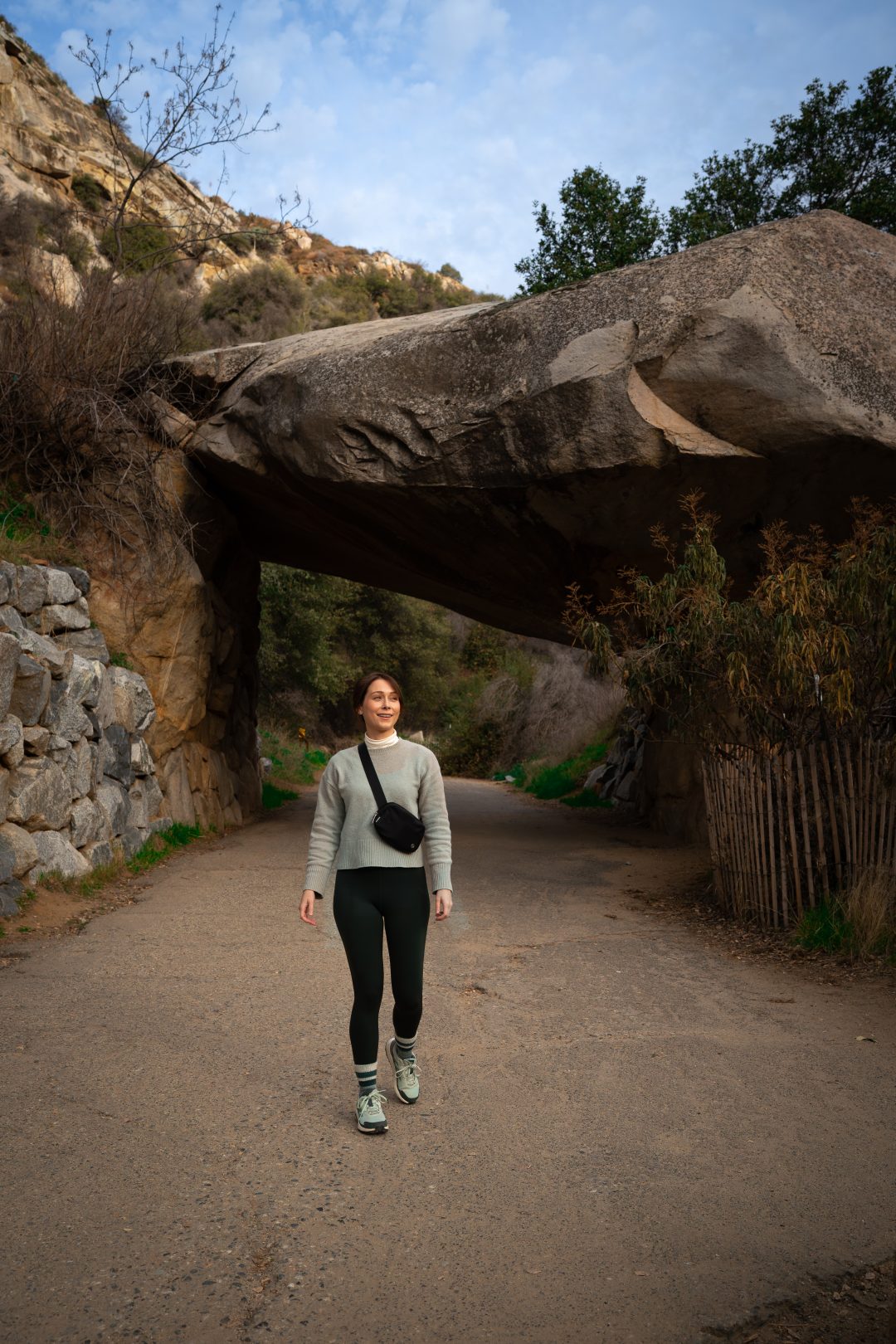
Many travelers try to see everything in a single day, but Sequoia’s vast landscape and multiple highlights genuinely require more time. Trying to rush through can make the trip feel overwhelming and underwhelming at the same time. Ideally plan for at least two to three days so you can explore giant sequoia groves, Moro Rock, Crescent Meadow, and other backroads at a relaxed pace.
Skipping Shuttle and Traffic Planning
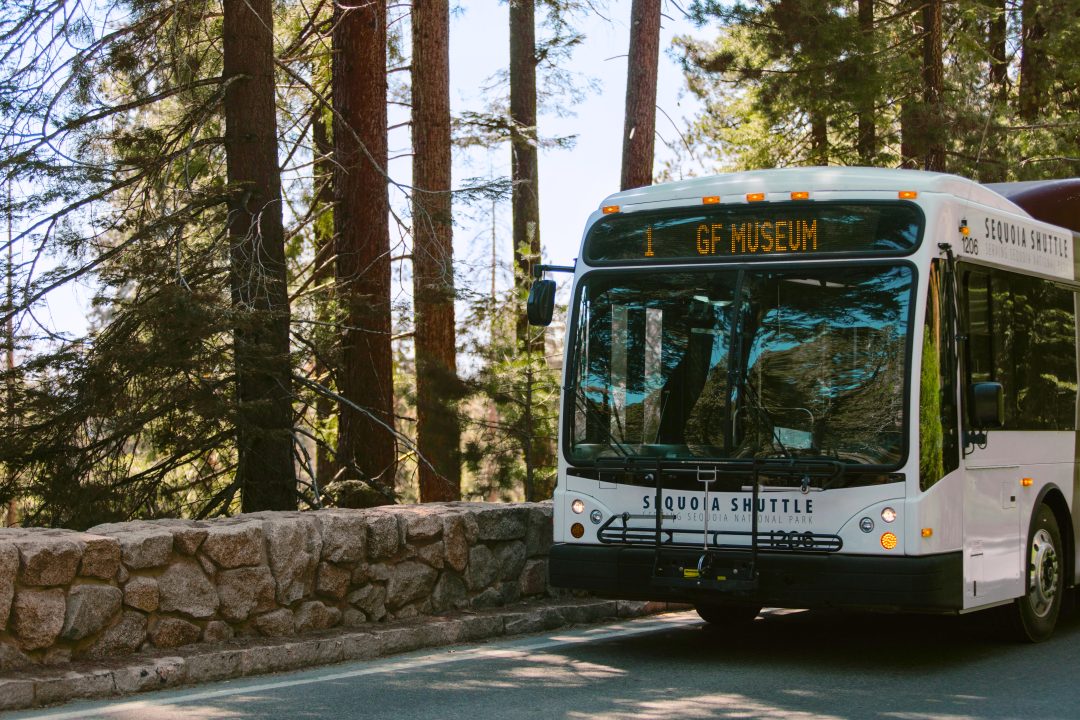
Driving the General’s Highway is scenic, but roads are narrow, parking fills up early at popular stops, and traffic can be slow in peak seasons. Many visitors underestimate how long it takes to navigate between trailheads and overlook the shuttle options that reduce stress.
Failing to Make Lodging or Campsite Reservations

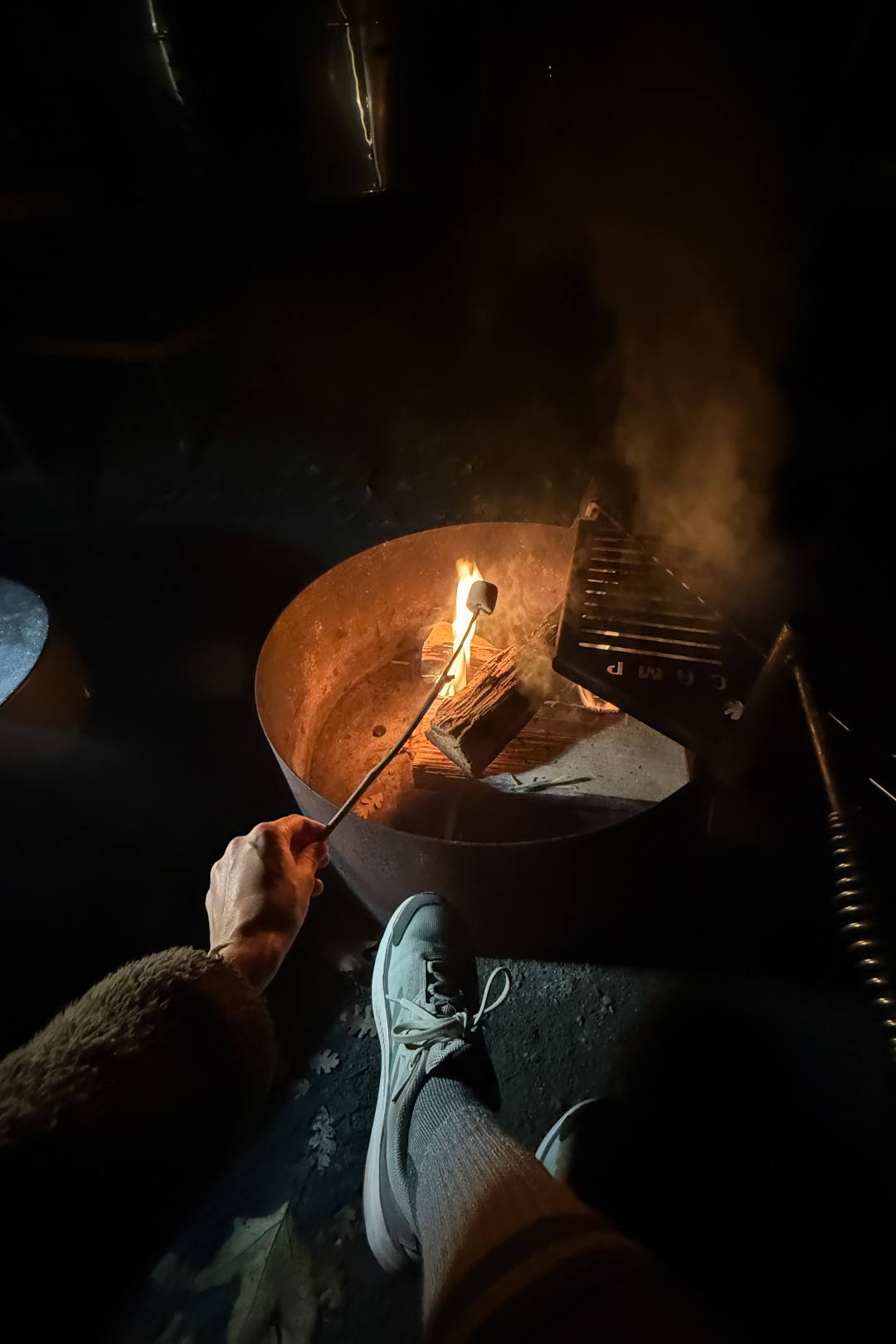
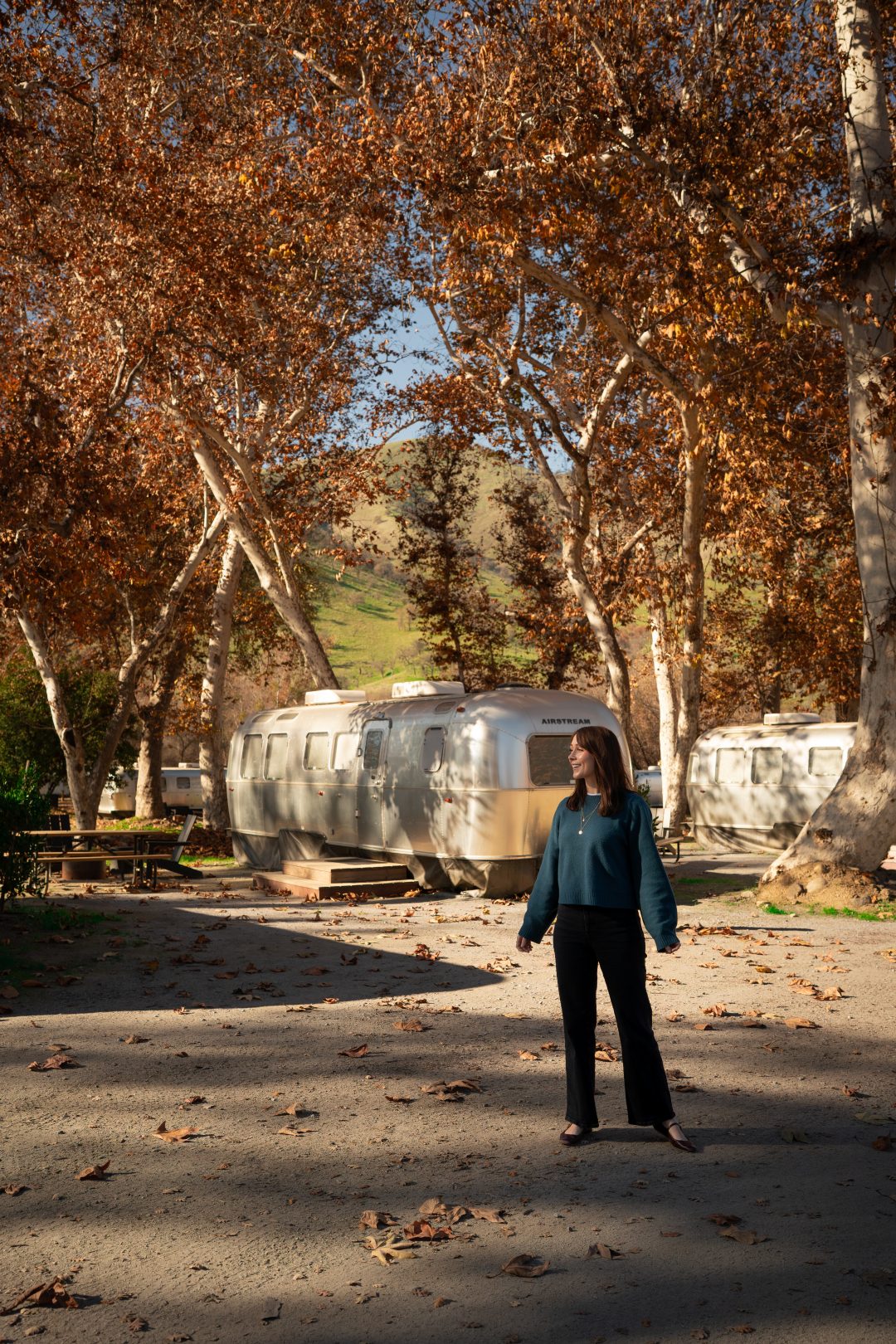
Accommodation inside the park (whether campgrounds or lodges) often books out months in advance. Heck, even lodging just outside of the park, in Three Rivers, can book out in advance. Come with reservations to make sure you aren’t left you scrambling for space.
Underestimating Hiking and Safety Preparedness
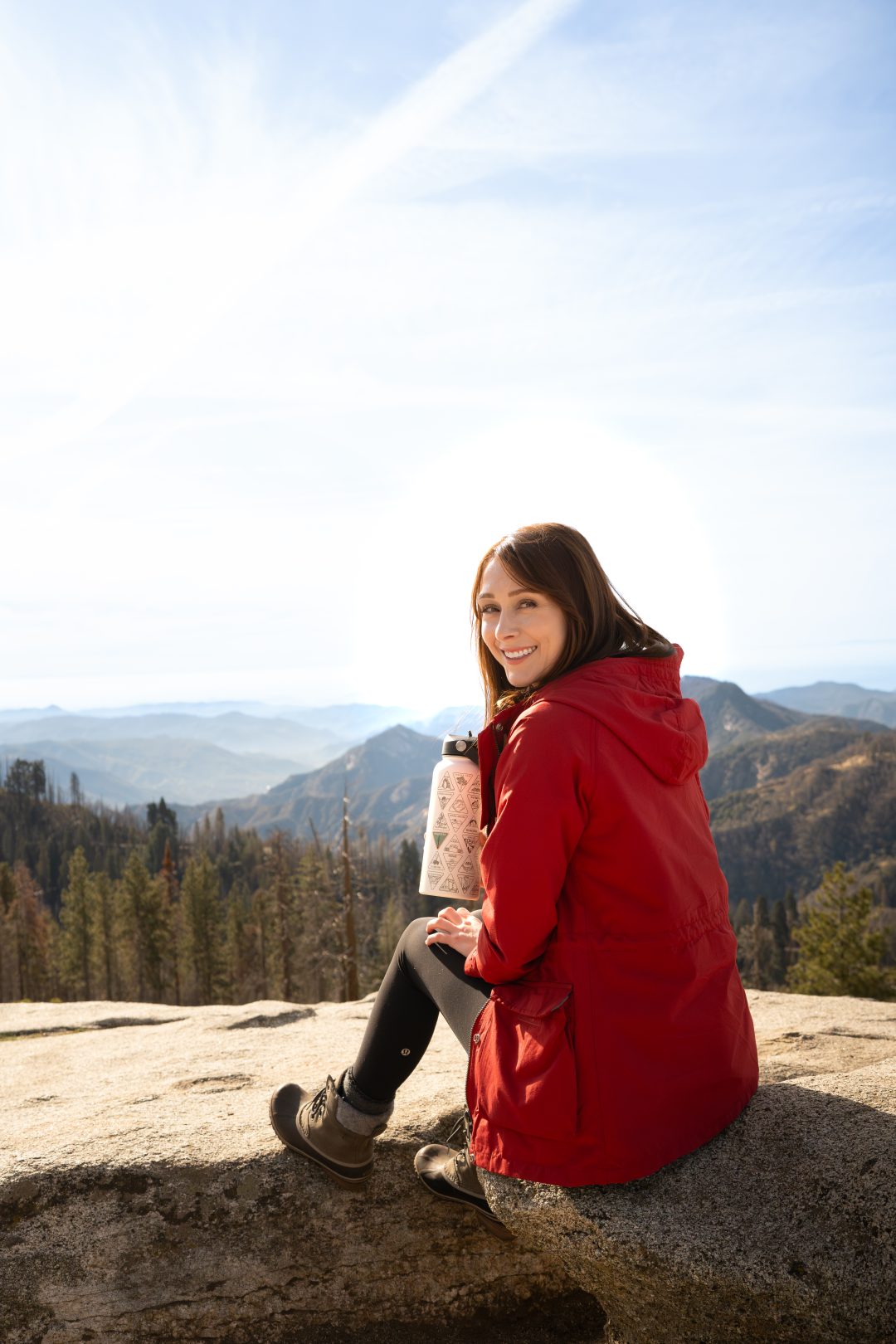
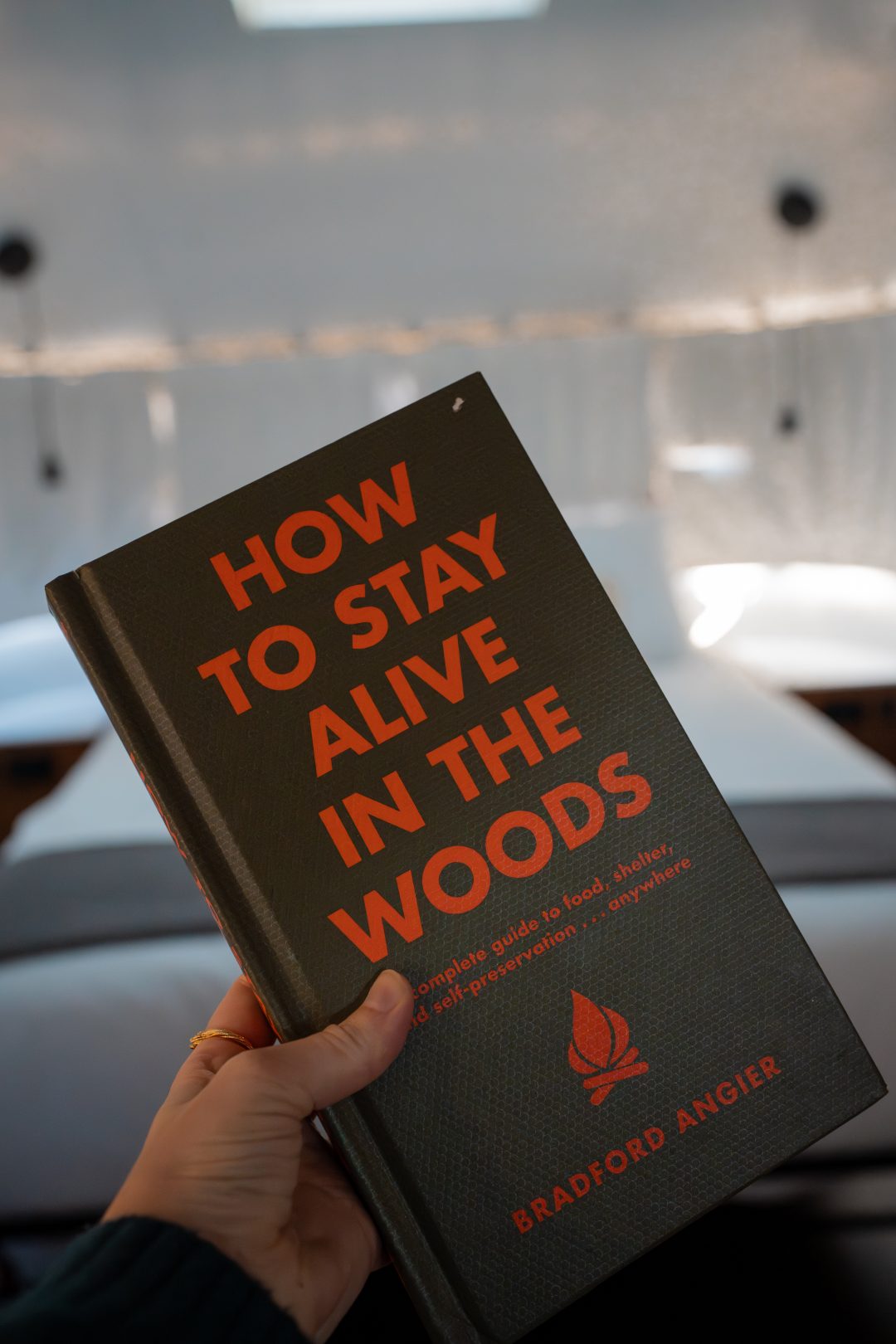
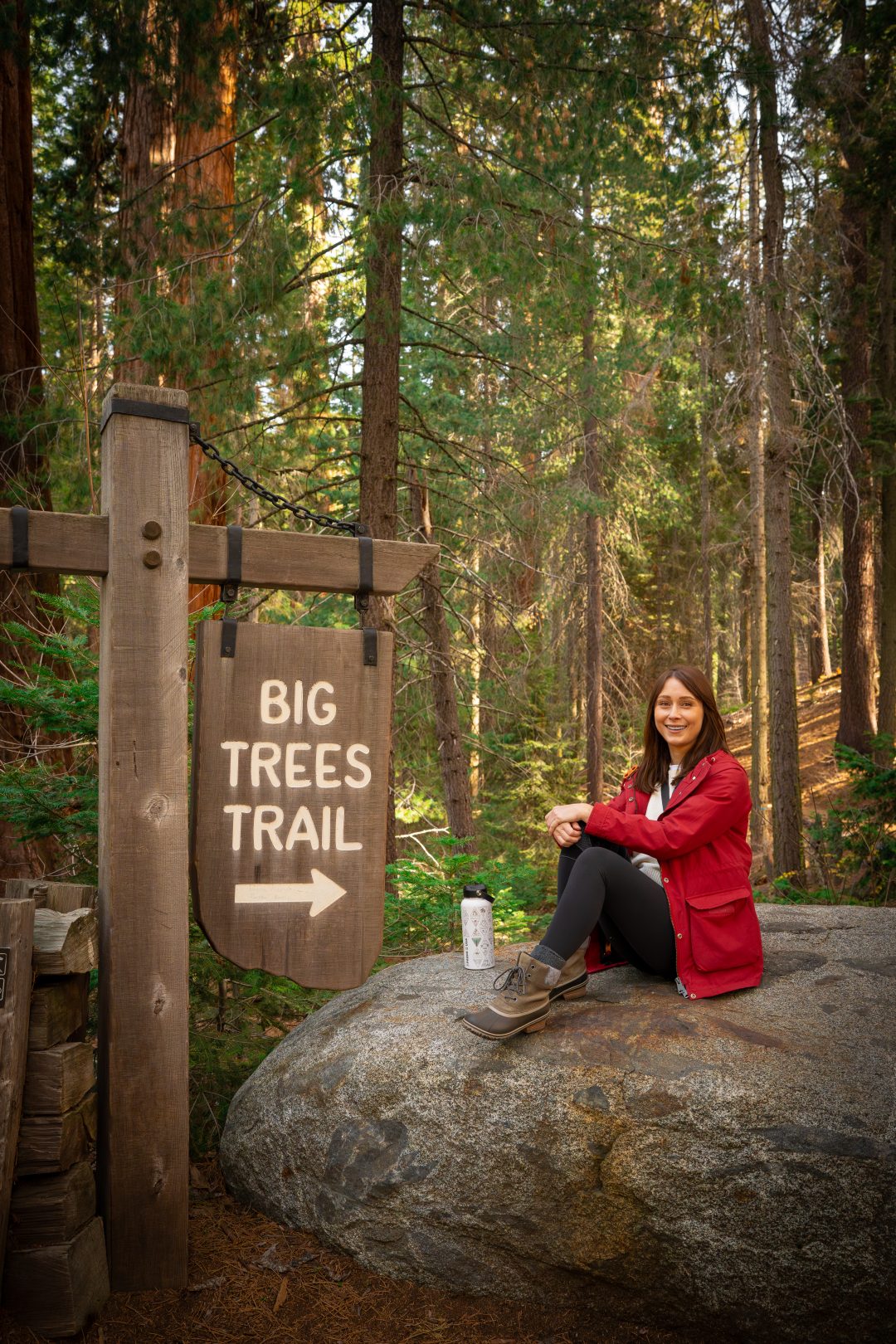
People sometimes start hikes without enough water, food, or awareness of conditions. High elevation trails can cause dehydration or altitude-related symptoms if you’re not prepared. Bring plenty of water, snacks, sun protection, and know your limits!
Neglecting River and Water Safety
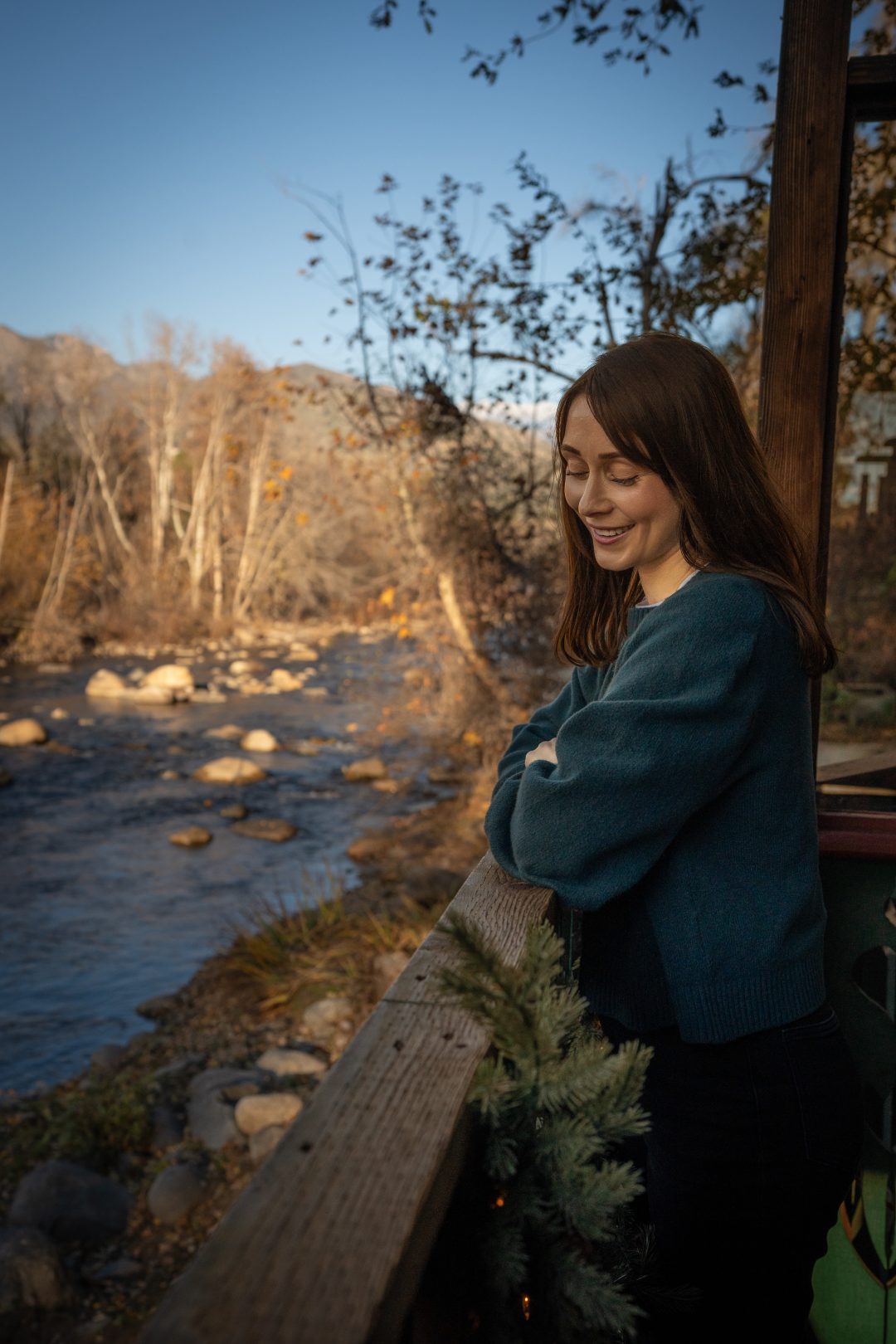
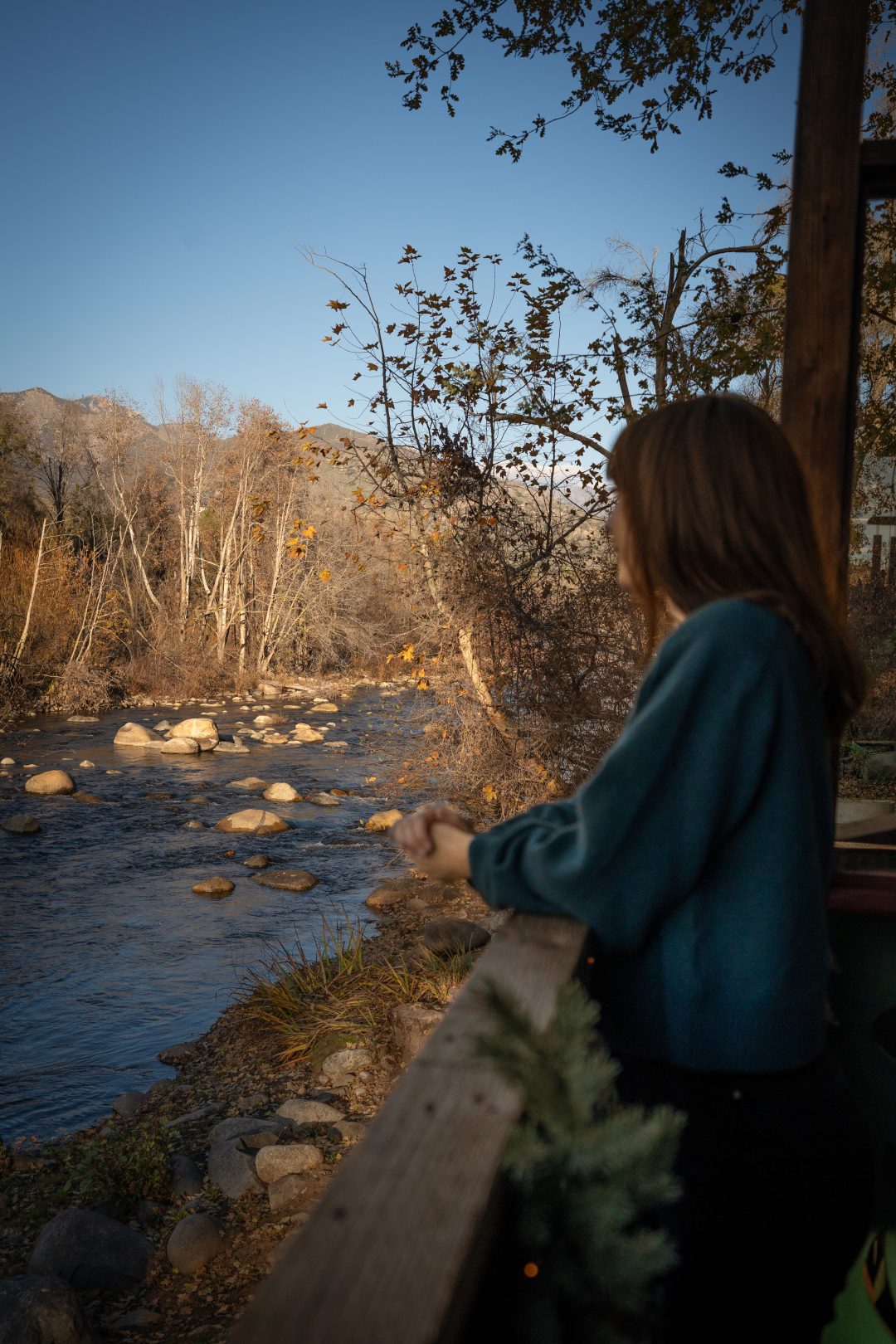
Sequoia has many rivers and streams fed by snowmelt. Even calm looking water can be swift and cold, and drowning is a leading cause of fatalities in the park. Coming unprepared or misjudging water conditions is a serious risk.
Ignoring Ranger Guidance and Park Info
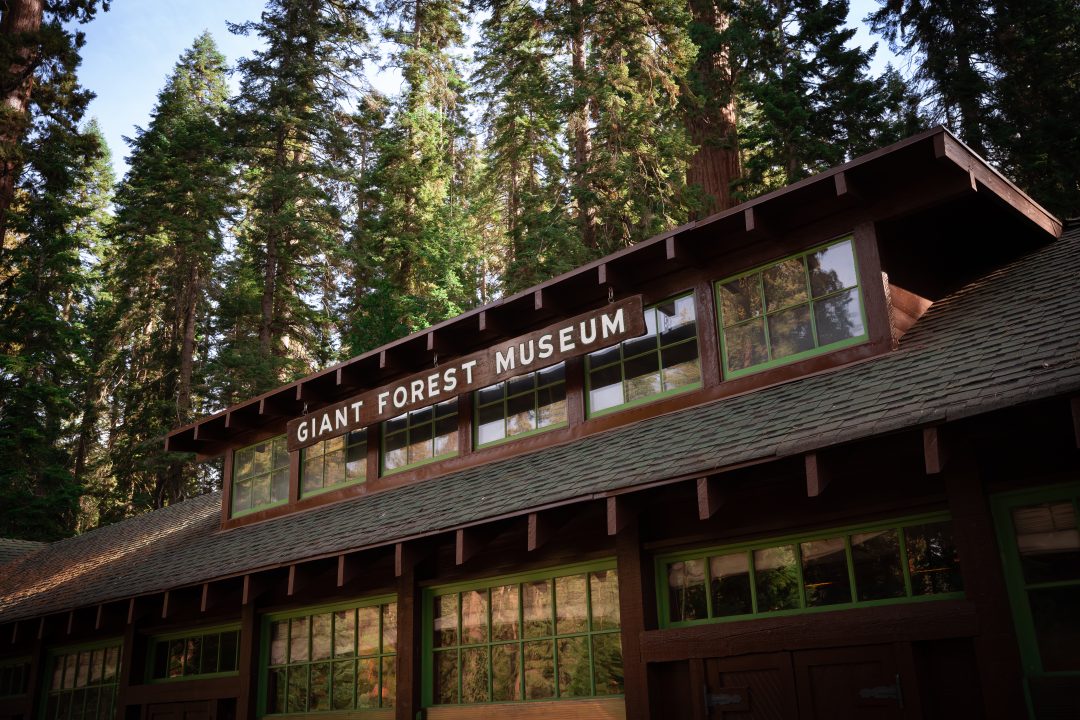
Some people skip the visitor centers or fail to check official park alerts. Cell service is limited inside the park, and downloading offline maps or talking with rangers can save time and help you avoid closures or hazards.
Approaching Wildlife or Ignoring Bear-Safe Practices
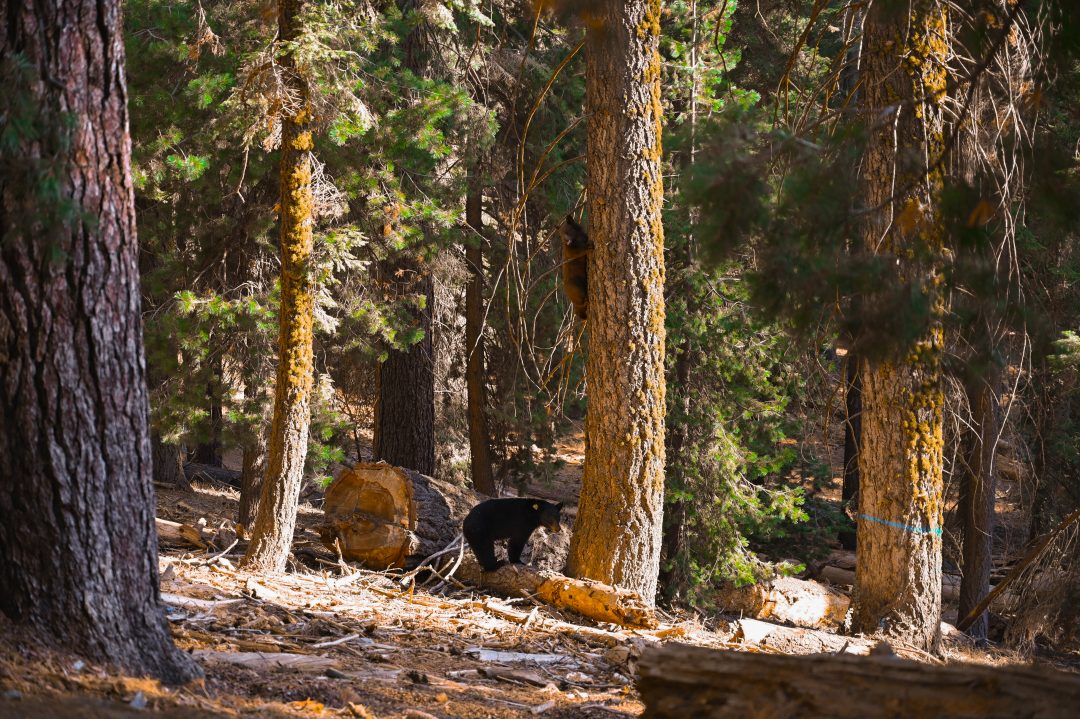
Not storing food properly, getting too close to wildlife, or leaving scented items accessible can attract animals and create unsafe situations. Use park-provided bear boxes and keep distance from all wildlife.
Unsafe Behavior on Trails and Viewpoints
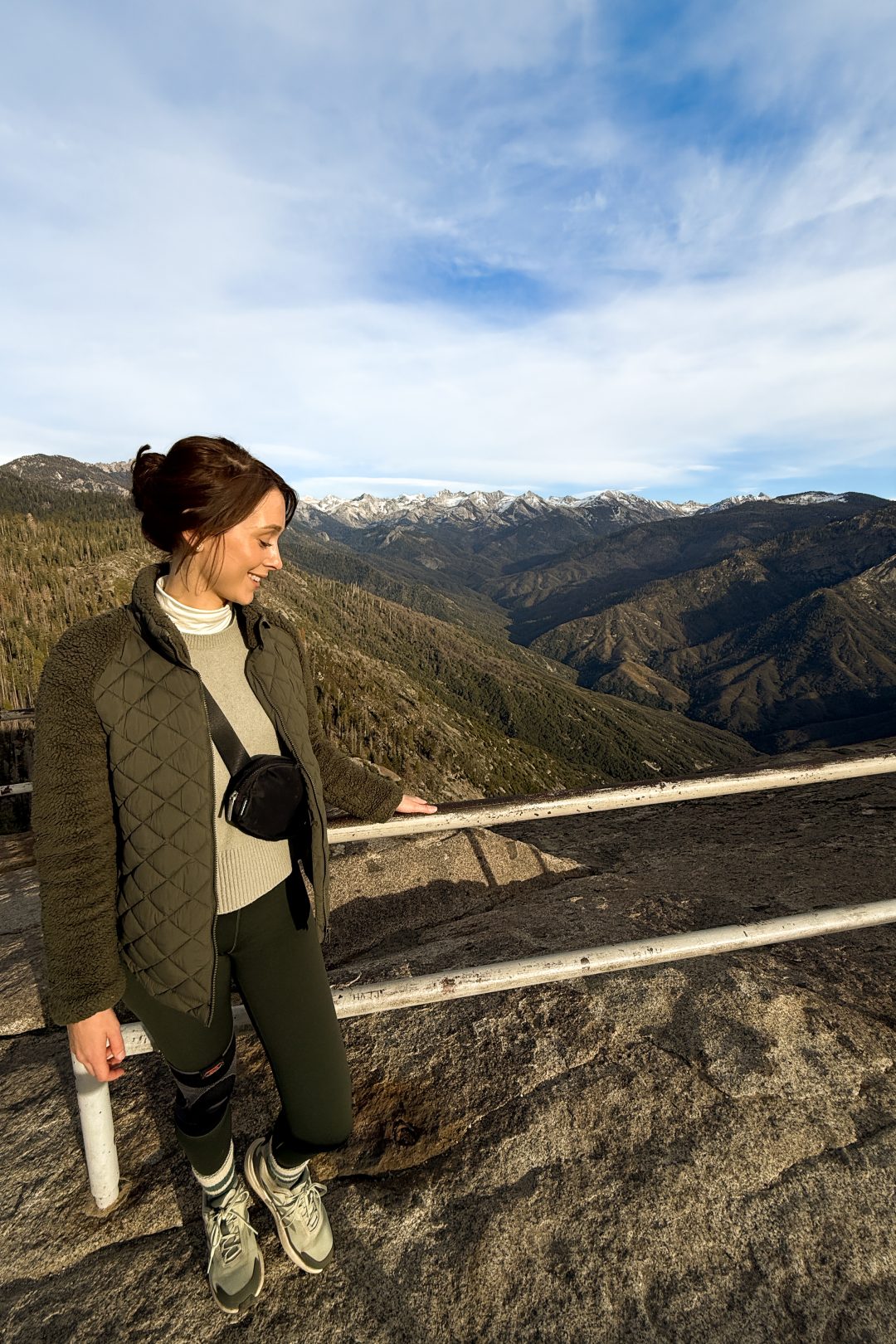
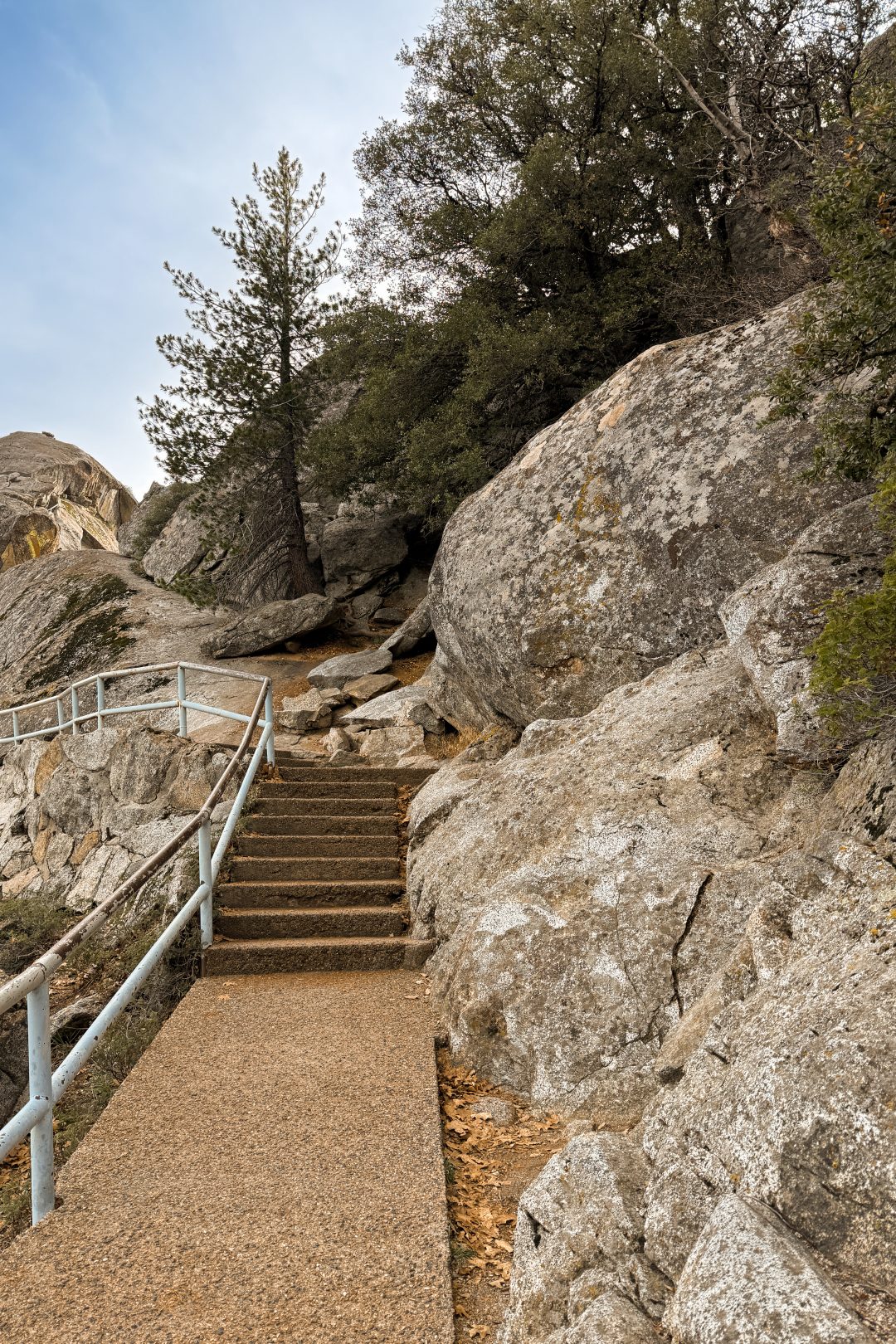
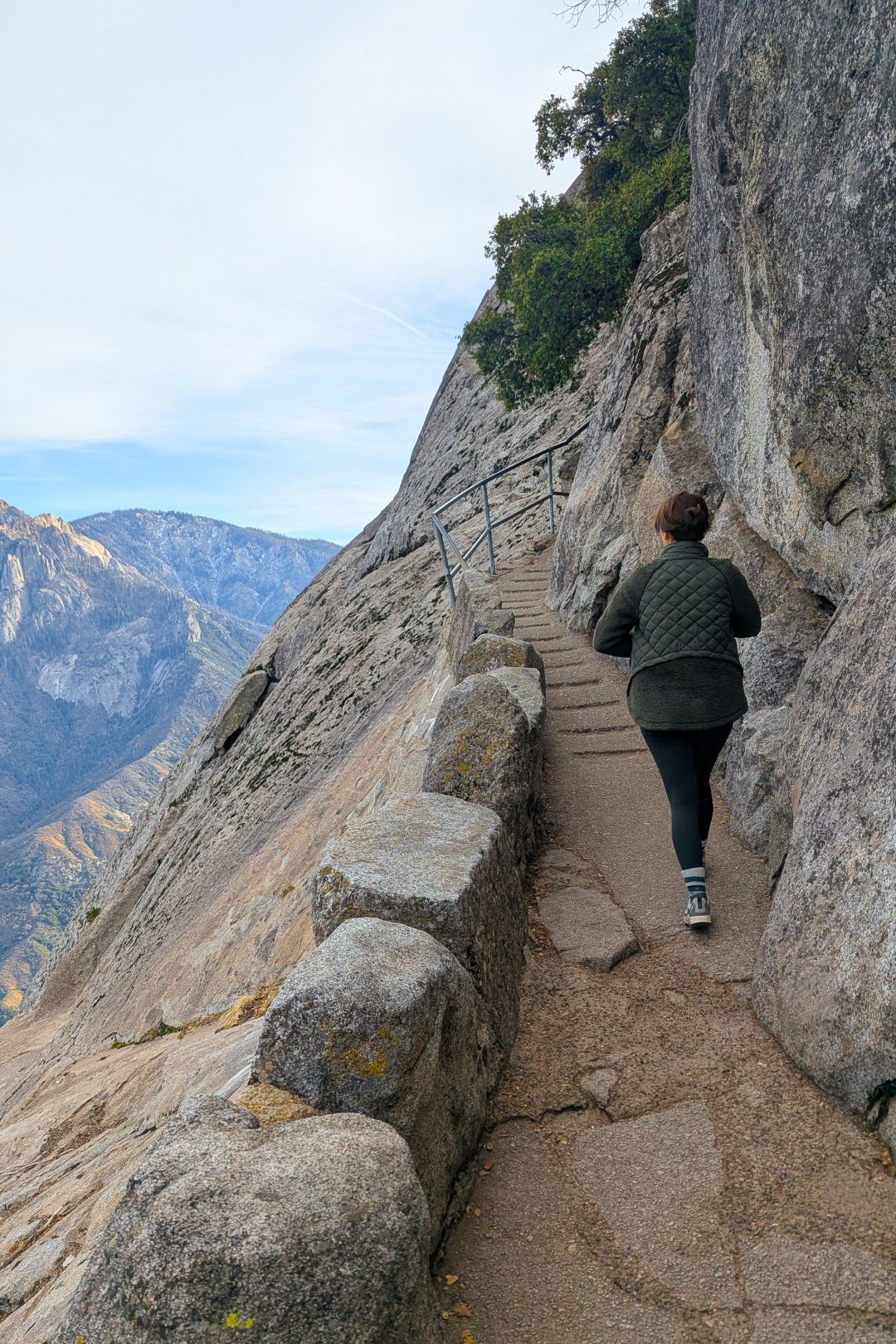
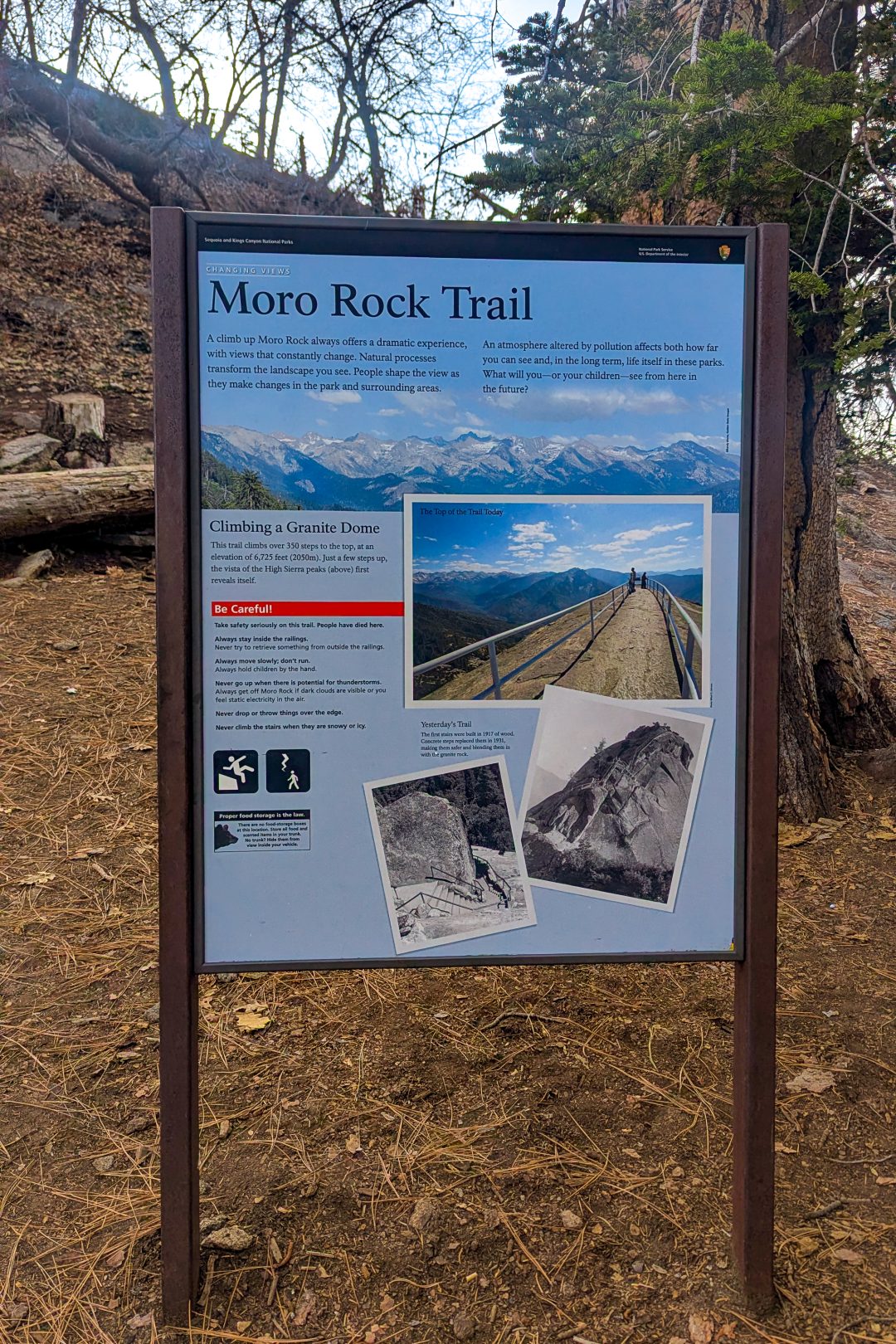
Don’t ignore safety rails at viewpoints like Moro Rock and stay on marked trails. It may seem tempting to ignore these boundaries when it comes to things like photos (I saw people do this on multiple trails throughout the park!), but it’s dangerous. Falls from heights have caused serious injuries and deaths in Sequoia and neighboring parks.
Overfocusing Just on the Big Trees
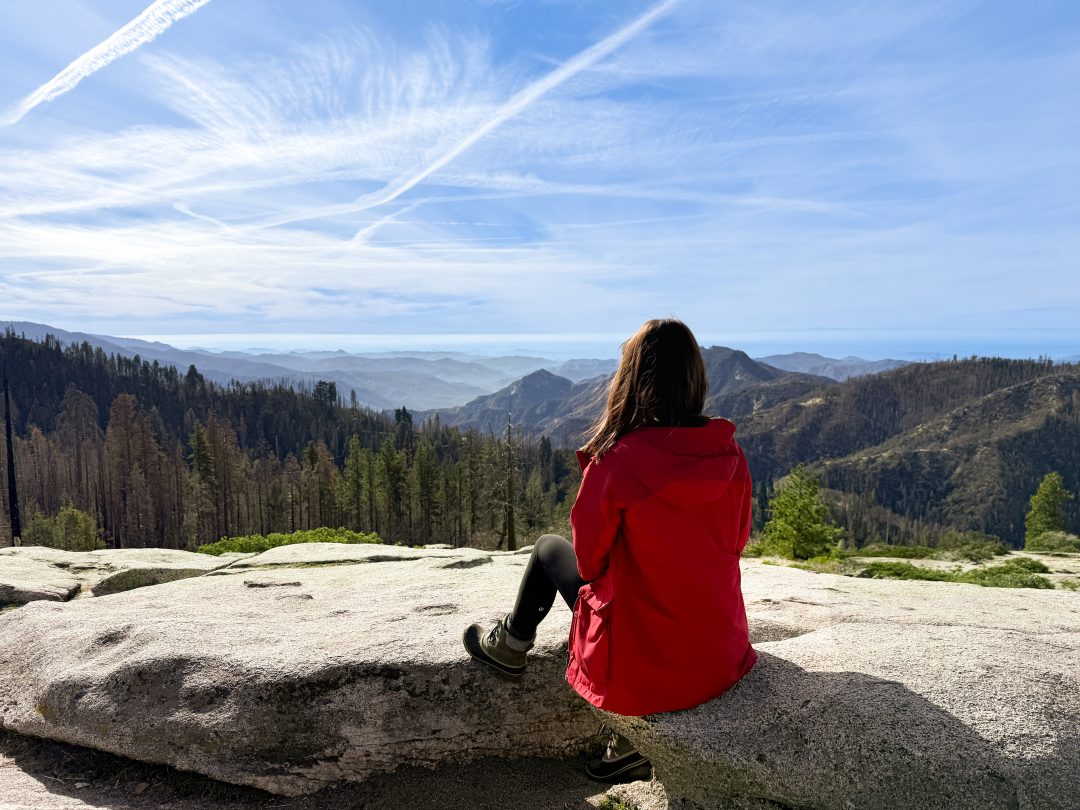
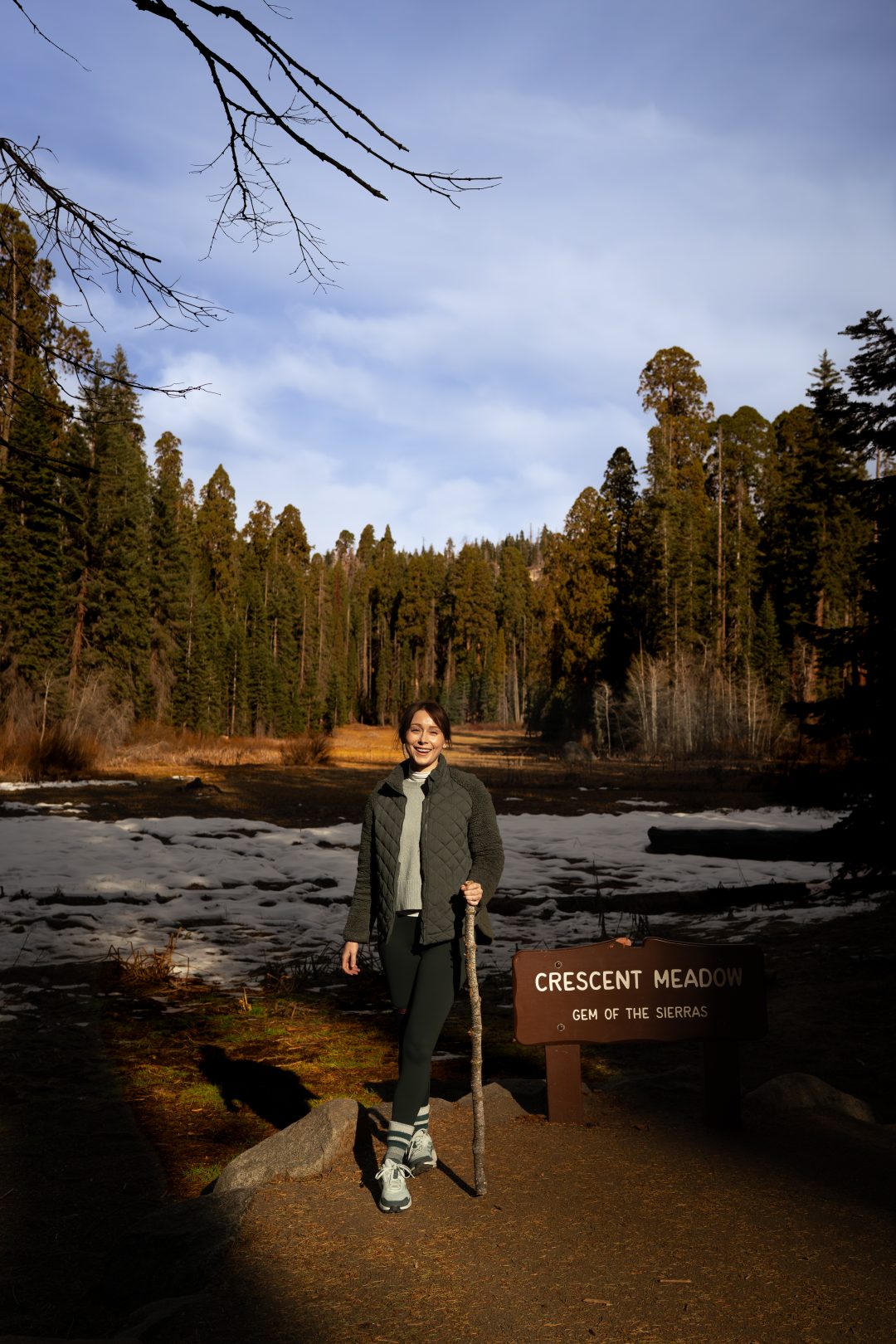
Of course the giant sequoias are a draw, but the park also offers alpine views, wildflower meadows, and backcountry hikes. Fixating only on headline attractions can cause you to miss some of the park’s best lesser-known experiences, including Moro Rock (my most rewarding hike!), Crescent Meadow (I had so much fun here), Squatter’s Cabin (an underrated gem!), and Beetle Rock (an easy jaunt from the parking lot).
Being Unprepared for Weather and Trail Conditions
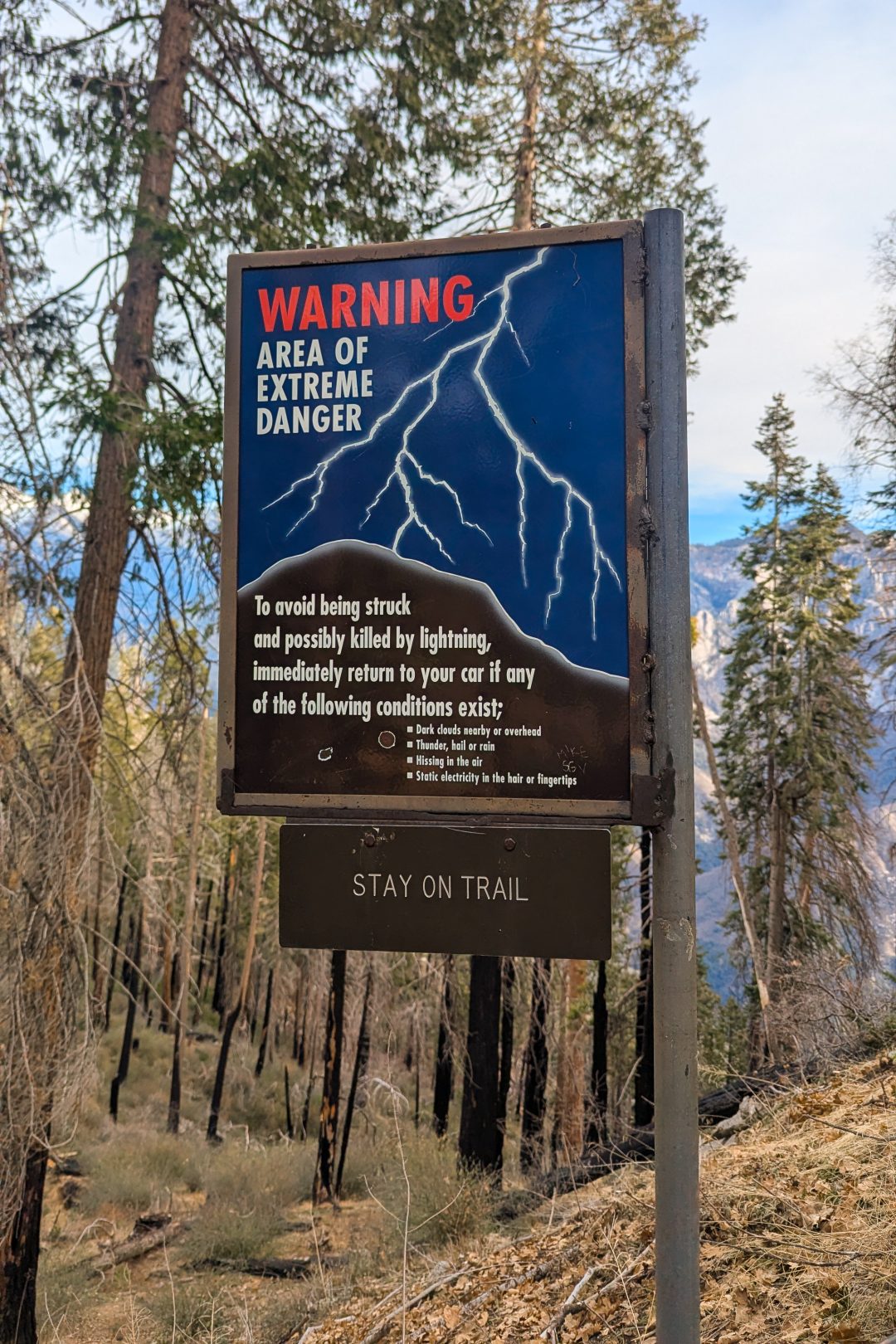
Mountain weather can change fast. Thunderstorms in summer and icy patches in shoulder seasons catch people off guard. Check forecasts, bring layers, and wear socks and shoes that will account for any type of weather you may experience!