
THE Top Things I Always Do Before Traveling Solo Abroad
Traveling solo can be one of the most rewarding experiences, but it does require a little extra preparation to make sure everything goes smoothly. Over more than 8 years traveling solo, I’ve developed a “wallet, keys, cellphone”-style checklist that I run through before every solo international trip! Some steps are probably obvious, others might surprise you, but all of them help me feel confident, stay safe, and get excited for the journey ahead. Here are the top things I always do before traveling solo abroad:
Share My Itinerary and Important Documents With Someone I Trust
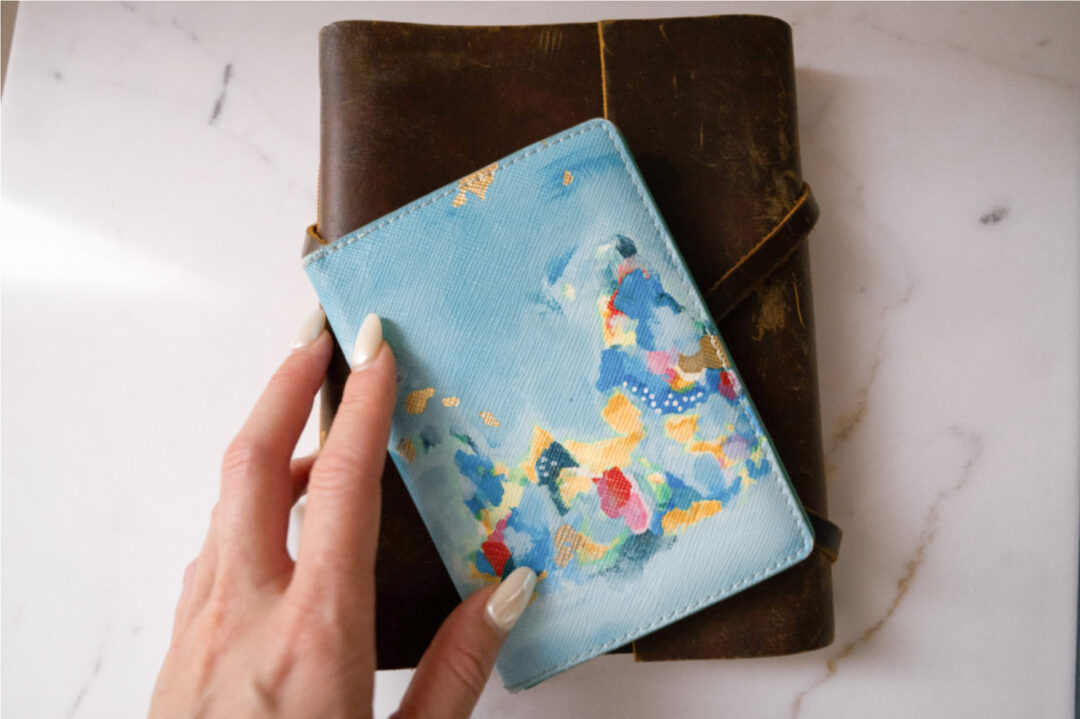
Before I leave, I always scan and print copies of my travel documents. I keep one copy with me (separate from the originals) and leave another with someone back home. I also recommend saving digital copies in a secure cloud folder, just in case. If anything unexpected happens, it’s reassuring to know that someone I trust has a general idea of where I should be!
A few travel documents I recommend doing this for include: flight details, hotel bookings, general itinerary, passport, visa (if needed), and travel insurance.
Research Local Customs and Safety Tips


Part of the excitement and fun of travel is that every destination is unique. And with that, it’s important to remember that what’s considered normal at home might be offensive elsewhere. I always take time to read up on local etiquette, dress codes, cultural norms, and any safety advice for solo travelers, especially women. And this might mean starting with a TikTok search, but also going beyond that and looking at more reputable sources across the web (National Geographic, Rick Steves, and Brittanica are all sources I like to check out!)
Register With My Country’s Embassy (When It Makes Sense)

For longer or higher-risk trips, I register my travel plans with my government’s embassy or consulate. This way, they can contact me in case of an emergency abroad, and I know how to reach them if I need help.
Download Key Apps & NUMBERS Before I Go
From offline maps and translation tools to taxi apps and currency converters, I download anything I might need before I leave (especially in case I land somewhere without easy WiFi access!). I also save the local emergency number (like 112 in Europe), the address and number for the nearest embassy, and my hotel’s front desk number in my phone. And to be safe, I jot them down on a small card I keep with me in my personal item.
Notify My Bank AND GET CASH
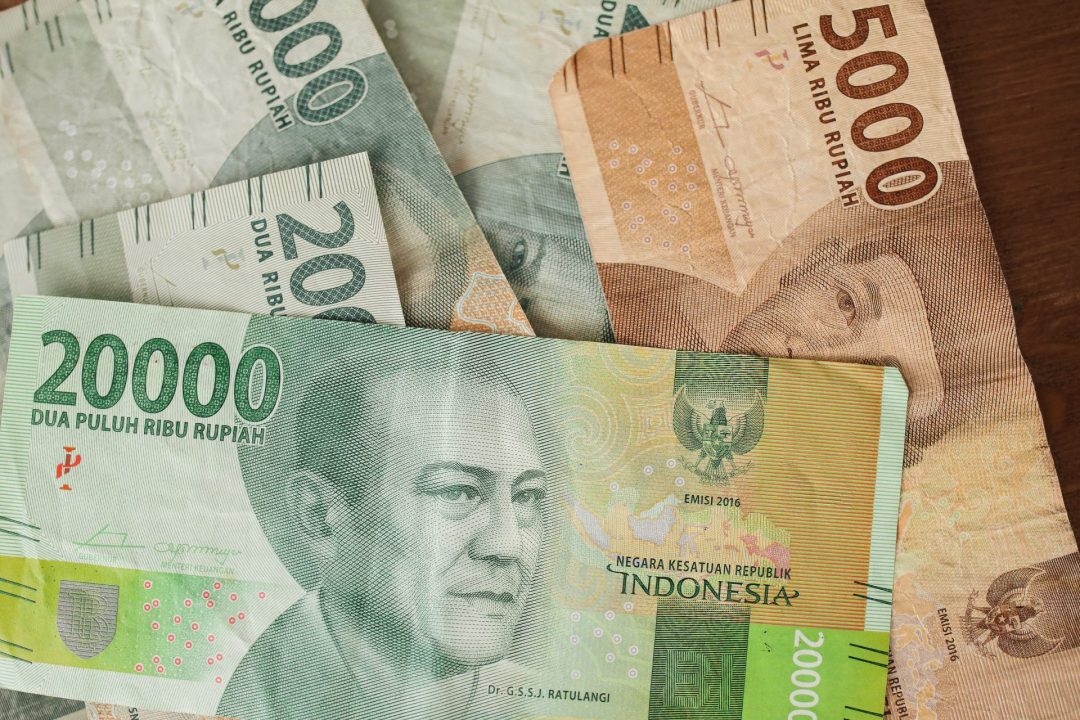
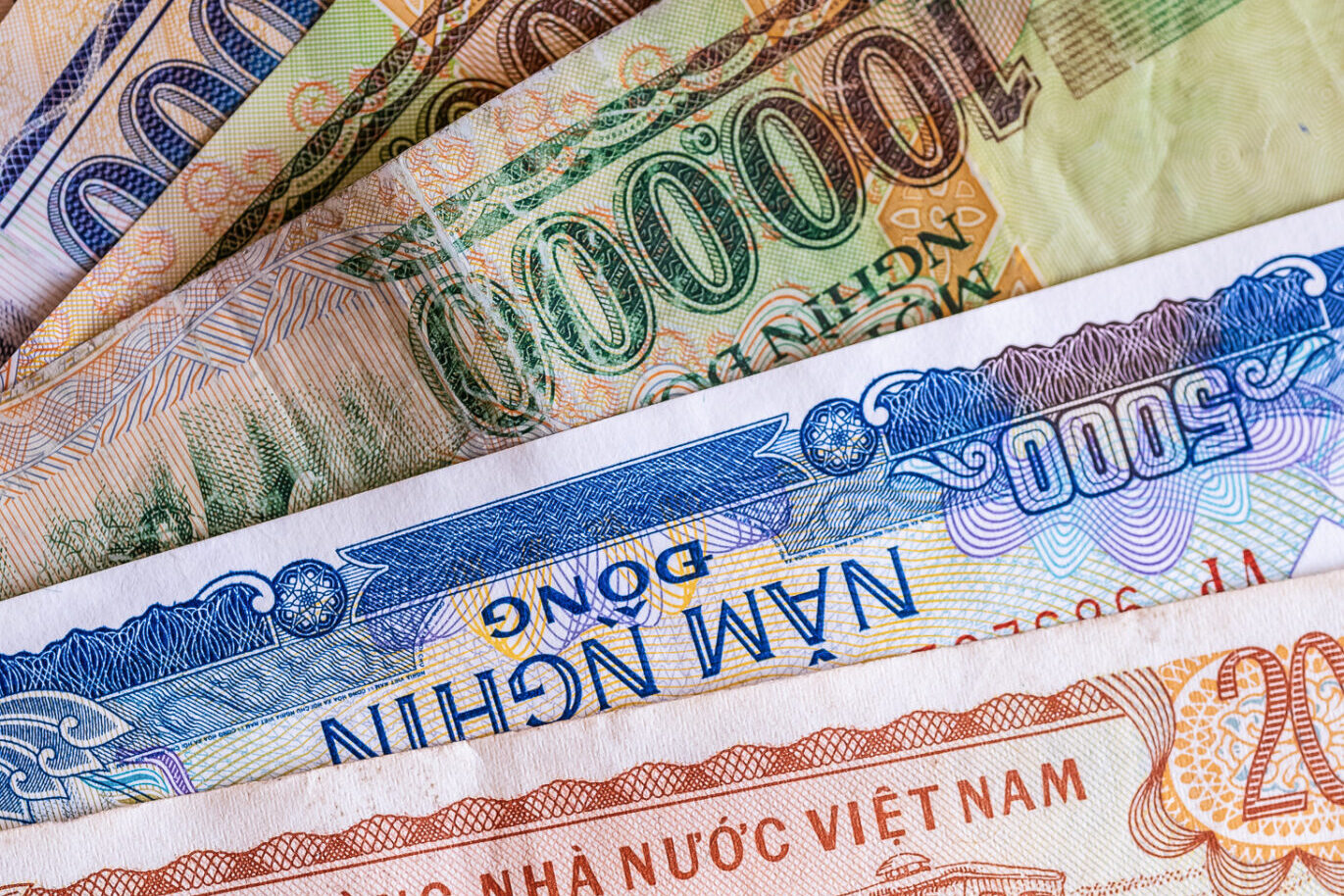
Recently some banks did away with needing to set up international alerts before you go abroad, but I still always double check and reach out to my bank and credit card companies anyway. It’s better to take the time to do this step than to avoid getting flagged for suspicious activity while you’re away. I also make sure I have at least one card with no foreign transaction fees and bring a small amount of local currency for arrival!
Plan for the First 24 Hours
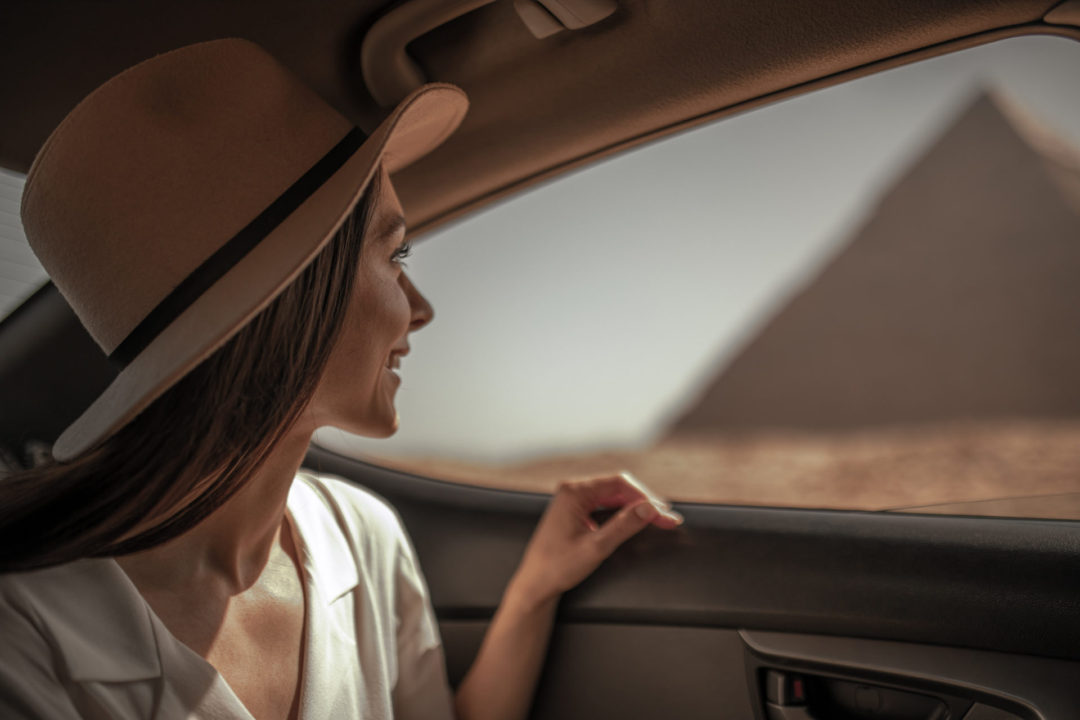
I don’t plan every detail of my trip, but I do make sure I have a clear plan for my arrival day: where I’m staying, how I’m getting there from the airport, and what neighborhoods are safest. Having this roadmap in place makes landing in a new country much less overwhelming.
Mentally Prepare for the Unexpected

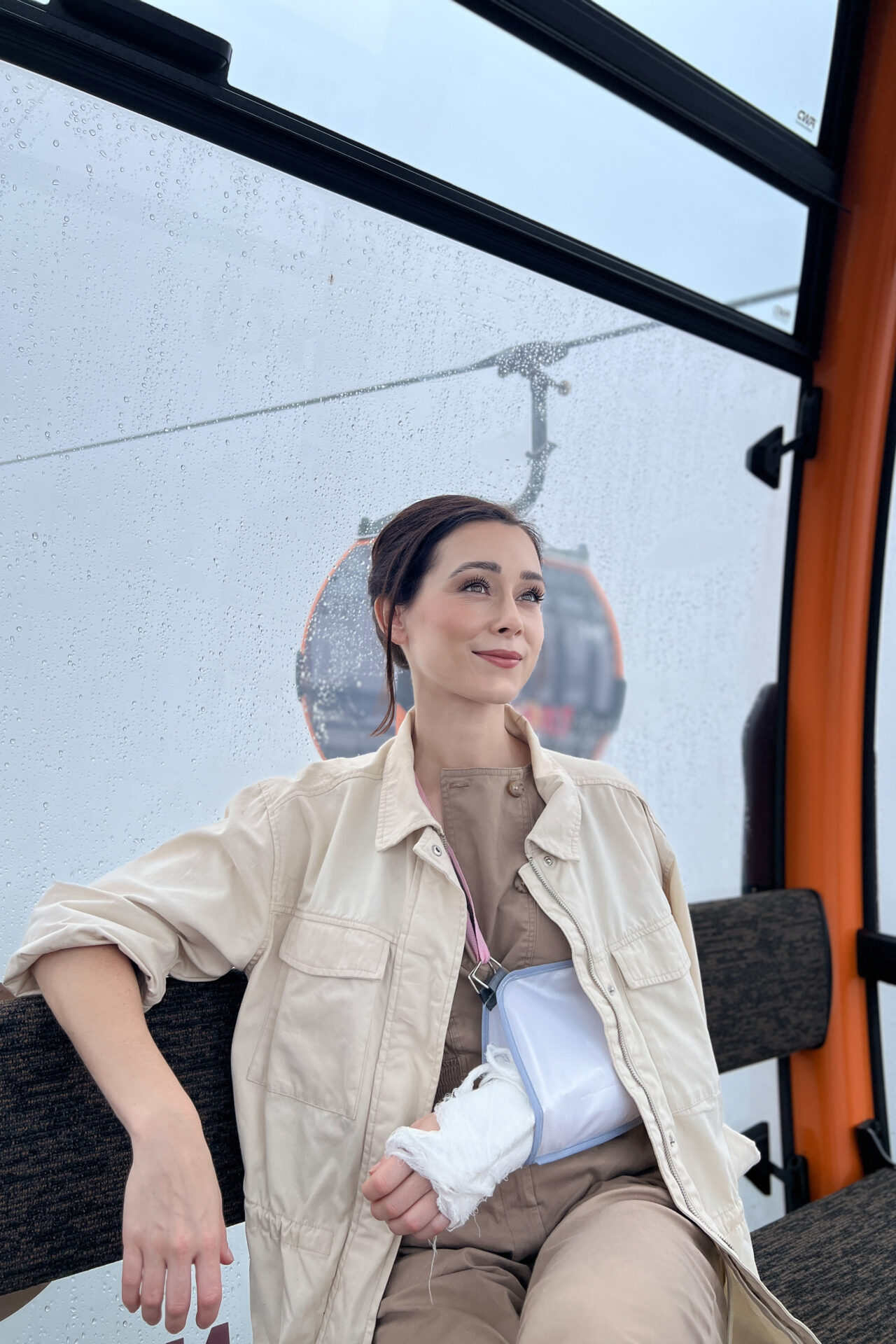
I promise this isn’t some dormant form of PTSD… ok, maybe just a little! But no trip is ever perfect, and that’s part of the adventure. I remind myself before every solo trip that flexibility, curiosity, and a good sense of humor are just as important as a passport or suitcase. Challenges are inevitable, but they’re often where the best stories begin!
Bookmark Local Medical Facilities (Just In Case)

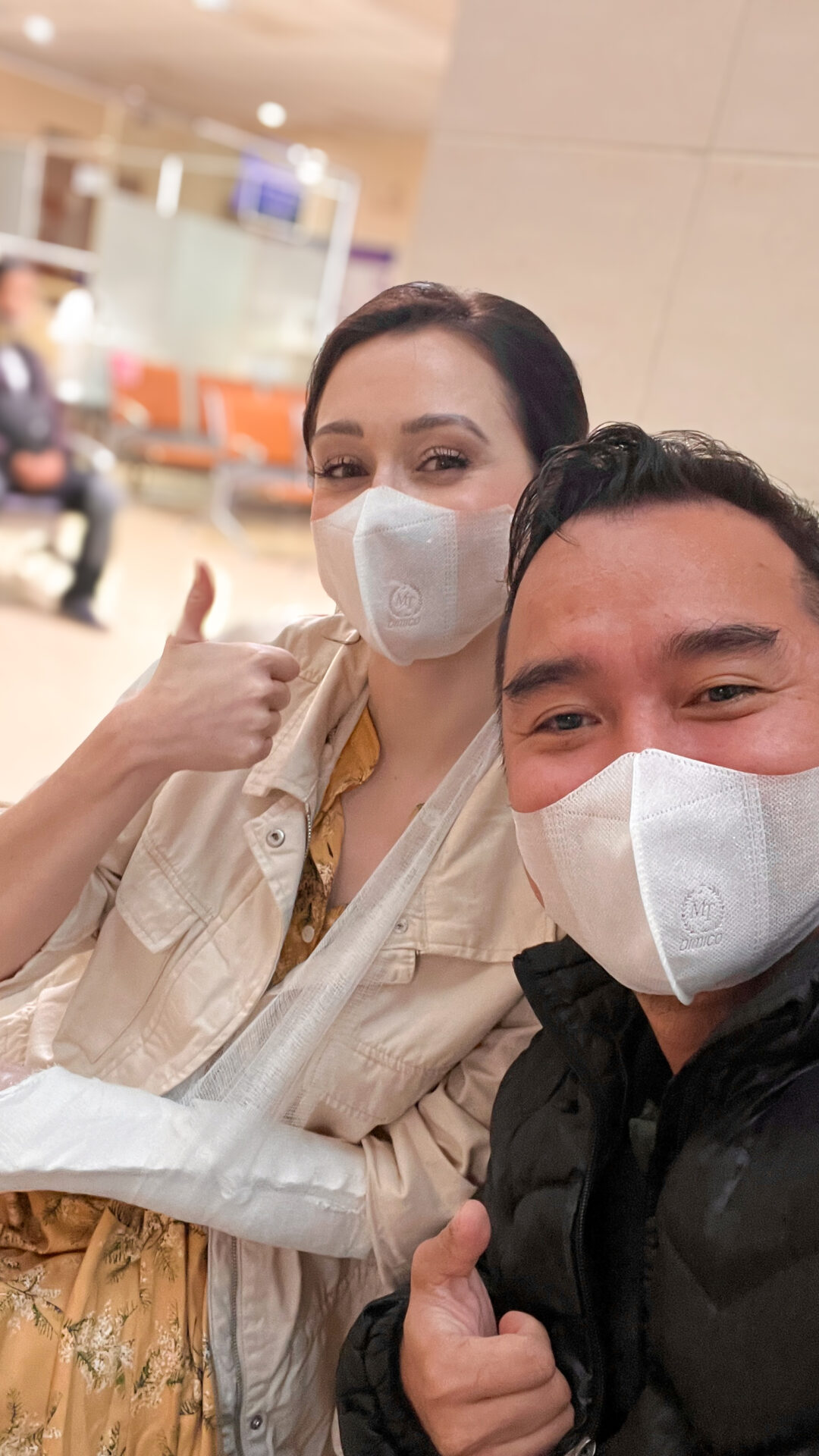
And on that note, if I’m traveling abroad, I always try to find the nearest international hospital or urgent care center to where I’ll be staying. And always save the address offline. It’s one of those things you hope you’ll never need, but if you do, you’ll be glad you prepared.
Create a ‘Safe Word’ With Someone Back Home
Especially for longer trips, I set up a casual “safe word” or phrase with someone back home. Yes, it’s a bit funny to think about, but if I ever text it without context, they’ll know to check on me or alert authorities. It’s a tiny thing that brings a bit more peace of mind.
Research “Day-of-the-Week” Culture
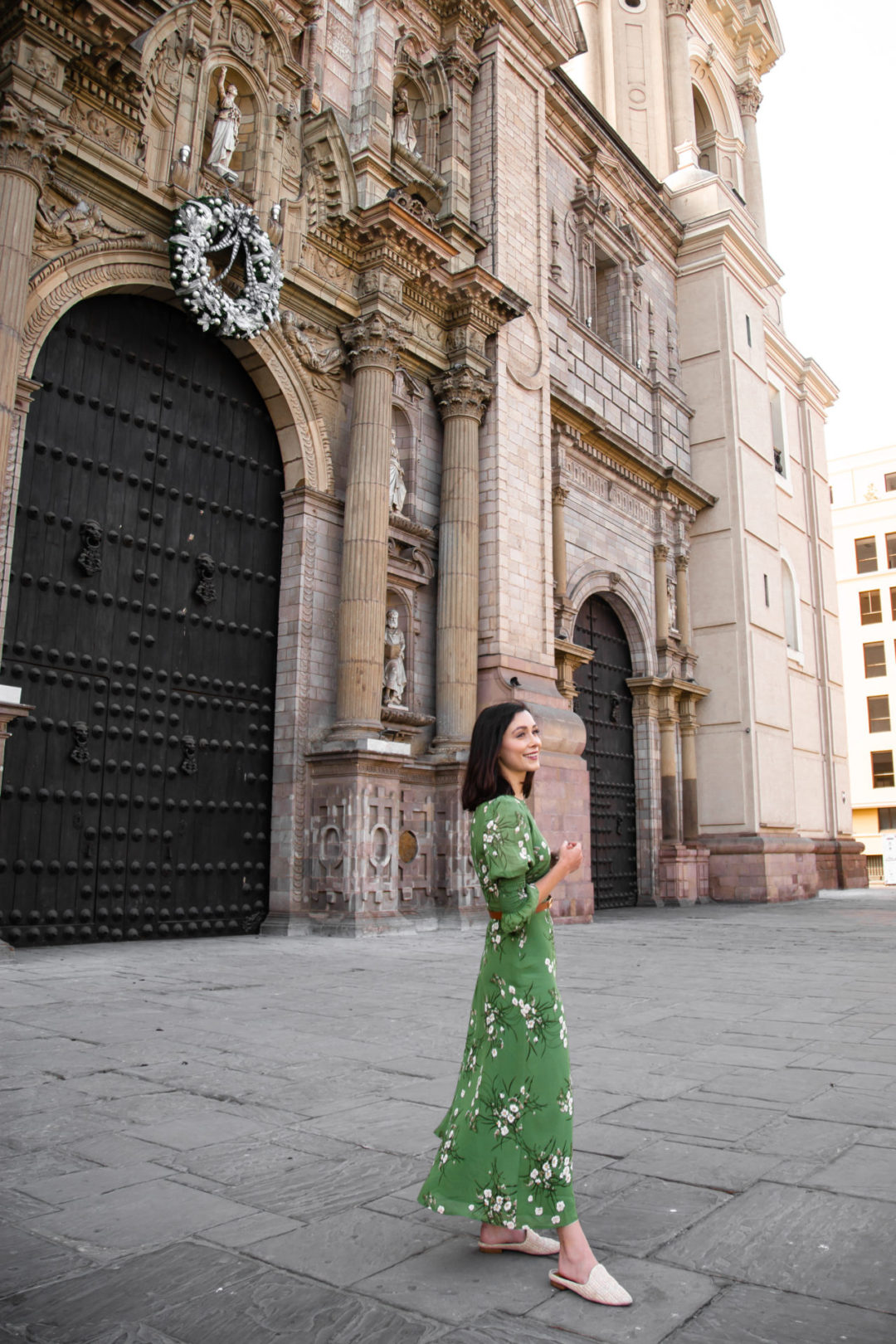
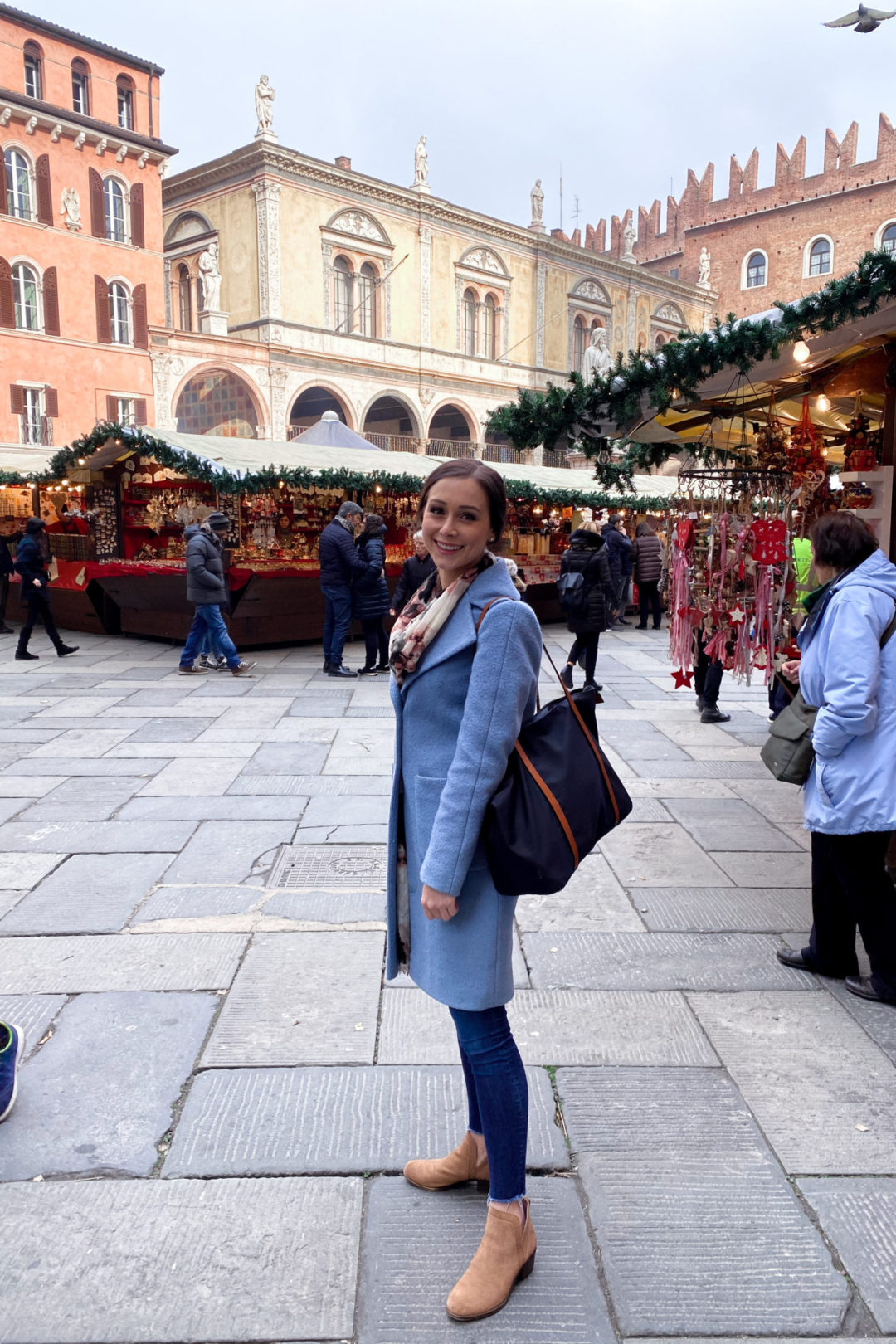
Certain destinations have totally different cultural rhythms depending on the day. Some cities are dead on Sundays, others come alive at night. I always research what days are holidays, market days, or “dead” days so I’m not caught off-guard if things are closed down.
Make a Backup Plan for Connectivity

I plan for the possibility that my phone might not work right away (or at all). Whether it’s ordering an eSIM ahead of time, noting where I can buy a local SIM, or at minimum downloading offline maps and instructions, I don’t assume I’ll have immediate WiFi.
Secret Tip: This one’s especially important for those who’ve never purchased a local SIM (and one that I fell victim to in Vietnam). Unlock your phone‘s eSIM or physical SIM capabilities before you leave! Many providers “lock” your phone’s ability to transfer SIM cards until the device is fully paid off, and even after that, you often still have to call the provider directly to add the eSIM. If you haven’t paid off your device, this is one you won’t be able to do, so have a back-up plan ready!
Pack an “Arrival Kit” in My Carry-On
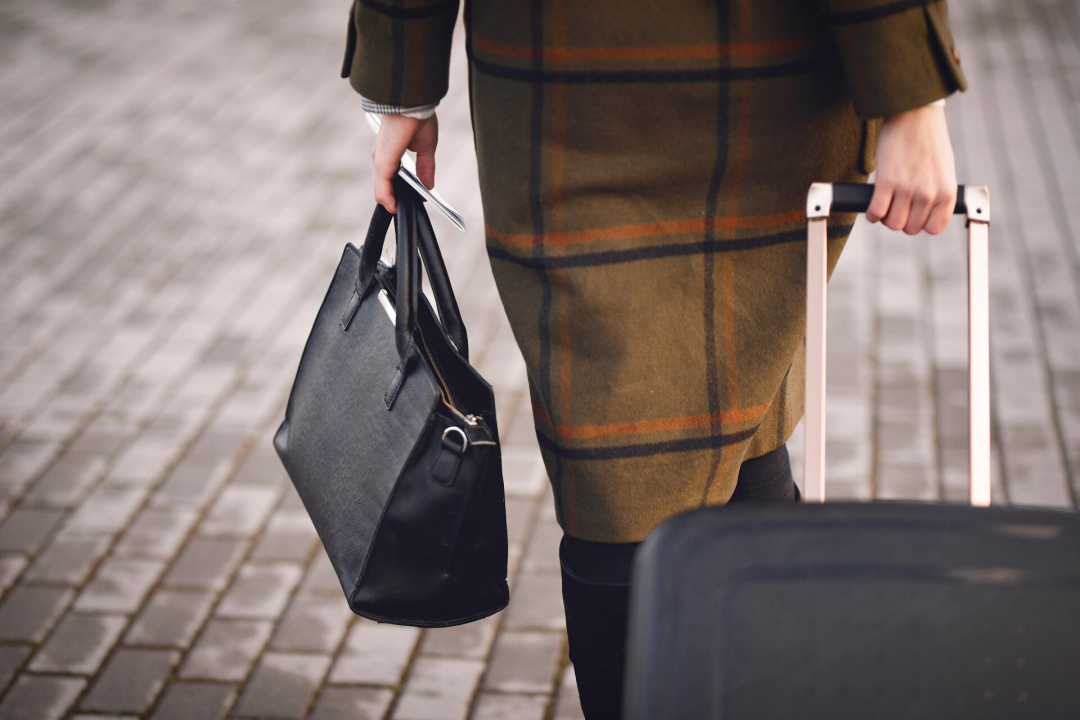
In addition to essentials like a charger and passport, I pack a little “first hour kit” with a snack, a mini toothbrush, deodorant, wipes, and a fresh shirt. Nothing feels better after a long flight and makes me feel more ready to tackle arrival logistics.
Research Scams Specific to That Destination

Unfortunately, scams vary wildly around the world and they often target solo travelers. Don’t let this deter you from traveling though. Instead, check forums, social media, and blogs for scams that are common in the country you’re visiting, so you’re mentally prepared for the types of situations you may encounter without feeling paranoid.
And pro tip: if you want to book tickets for tourist sites online before you travel, make sure you’re actually buying from the official destination’s website. Lots of scam websites look legit and sell tickets (either fake tickets or real tickets at huge mark-ups) to tourists, thinking the first link they see on a Google search is the correct spot.
Set Personal Travel Boundaries
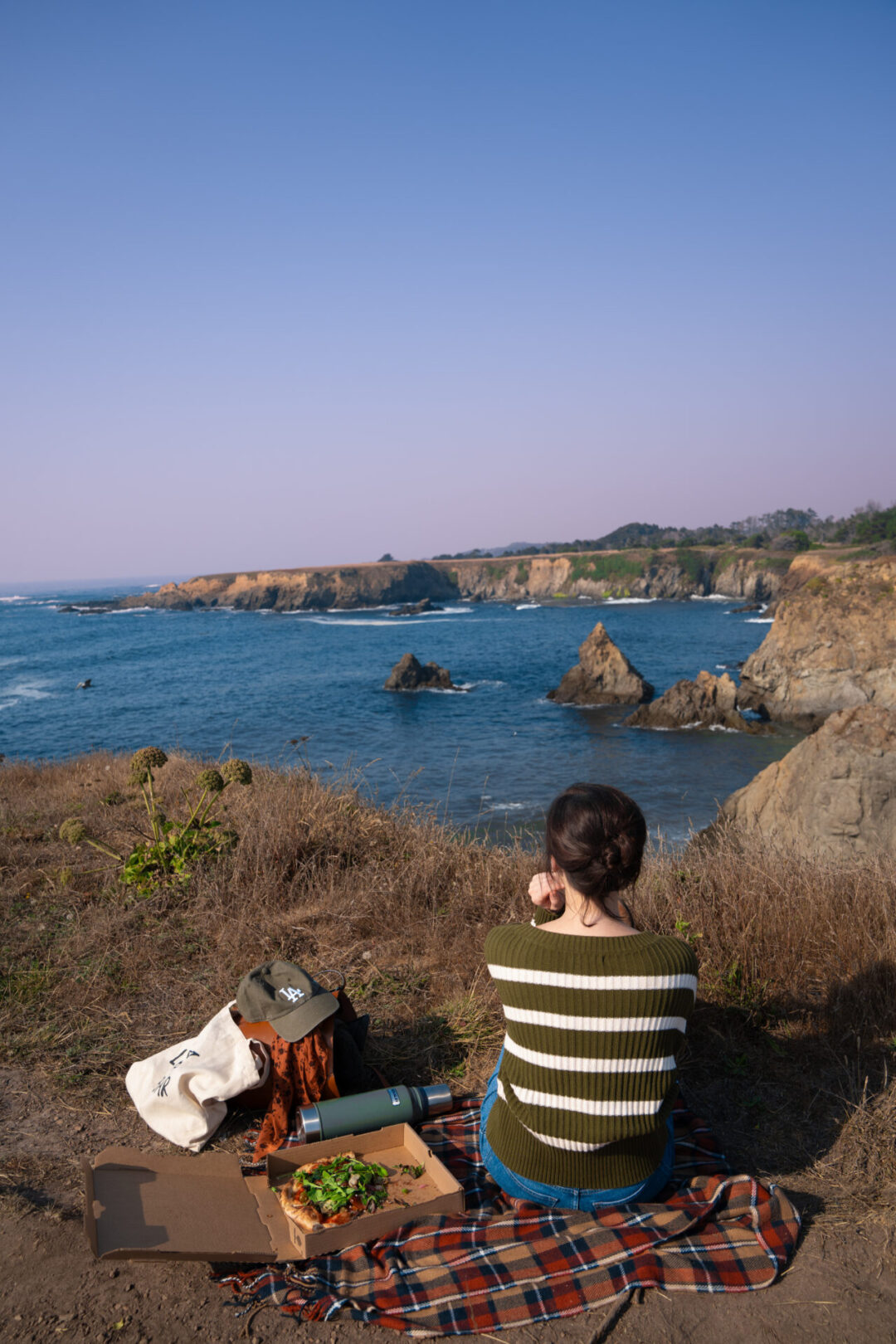

Before I go, I decide where my boundaries are. Will I accept invitations to hang out with strangers? Will I be out walking past sunset? Having a mental framework makes it easier to trust my gut and make decisions confidently once I’m on the ground.
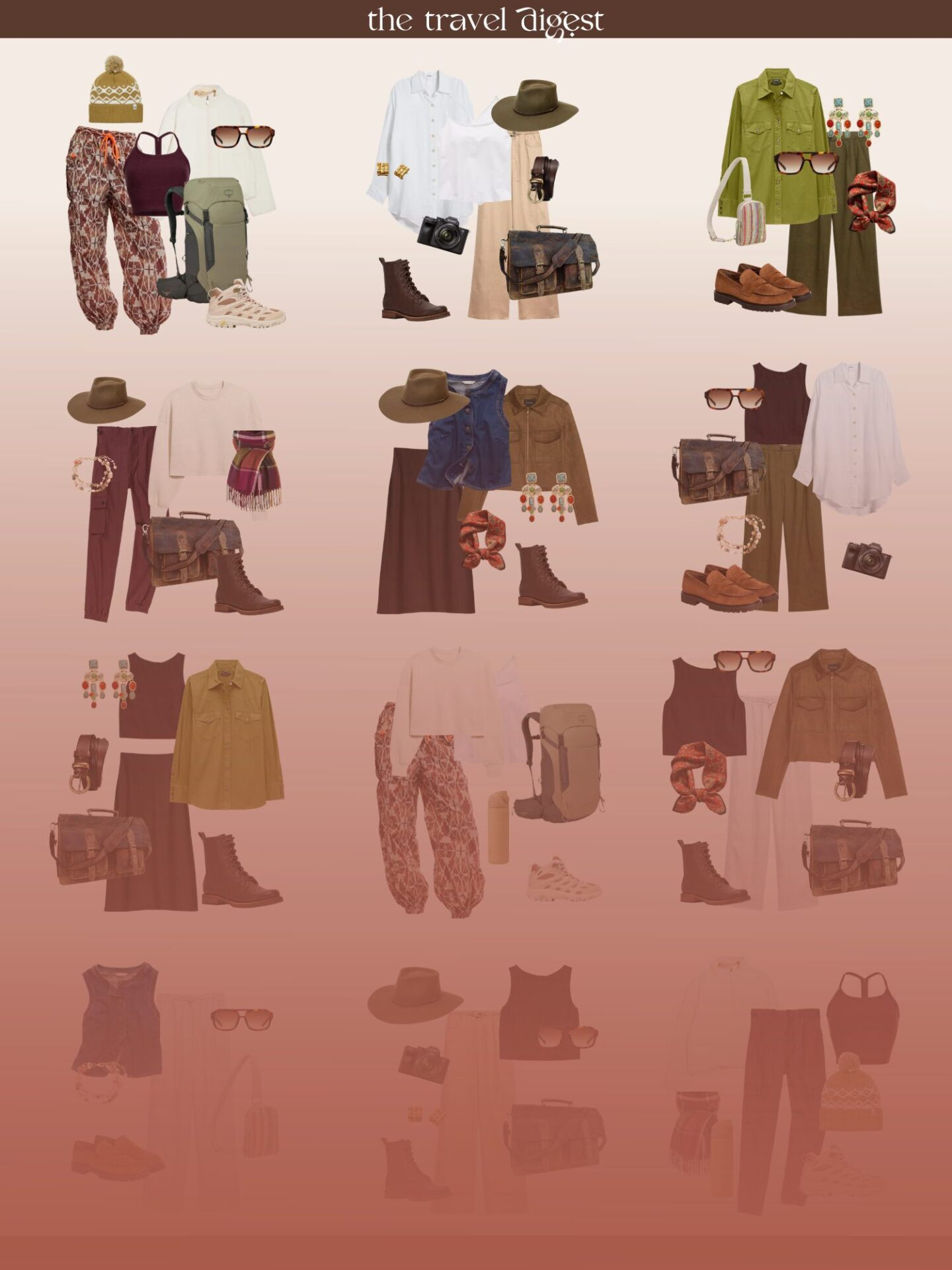
Pack a “Confidence Outfit”


I always pack at least one outfit that I feel amazing in. Typically that’s something that feels comfortable, is appropriate for the destination, and of course, boosts confidence. Solo travel means you sometimes have to be your own hype team, and feeling good in what you’re wearing helps.
Practice Saying ‘No’ in the Local Language


Even if I know very little of the local language, I always learn a few key phrases before arrival, including a polite but firm “No, thank you.” It’s a small thing that makes a big difference in handling street vendors, tour sellers, or overly friendly strangers.